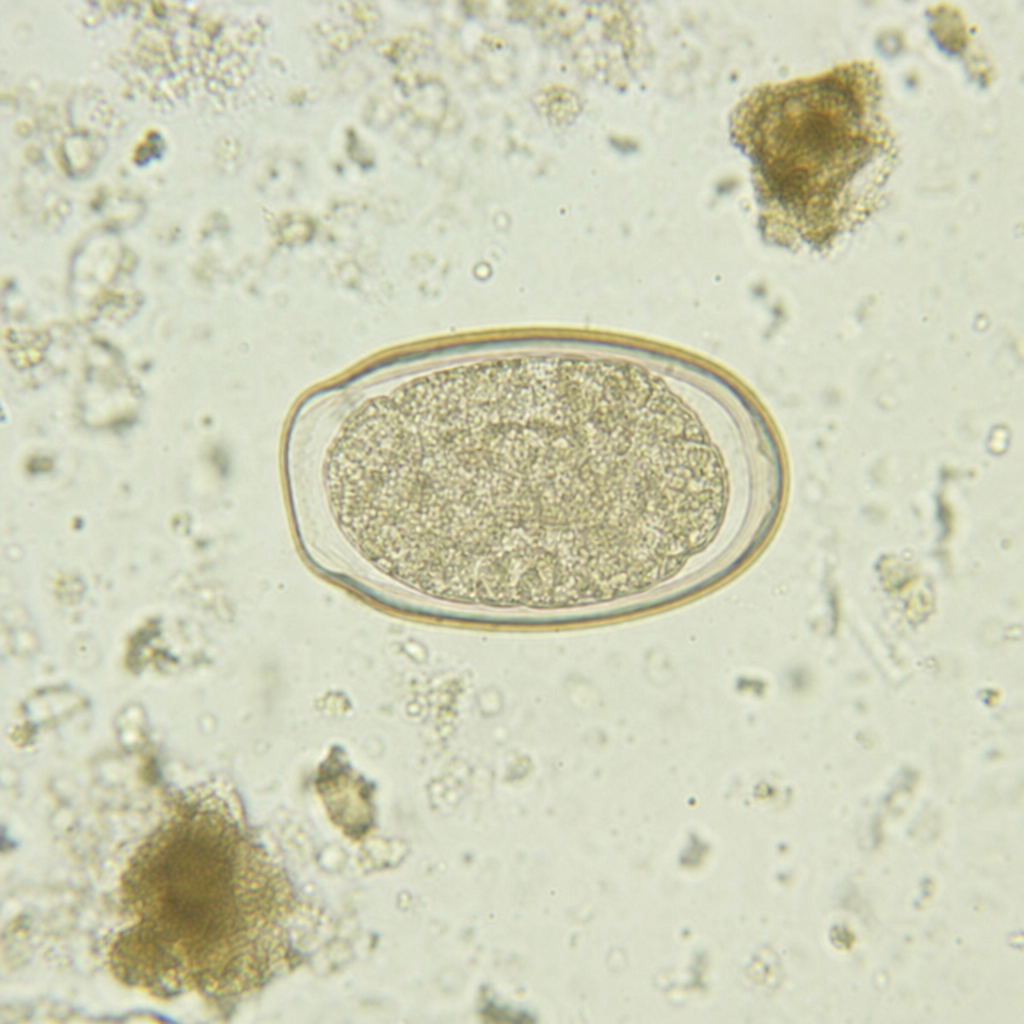
Community Medicine
3 questionsMost common mode of transmission of nosocomial infection is -
The BEINGS Model of disease causation does not include which of the following factors?
Which of the following viral diseases is least commonly reported in India?
NEET-PG 2013 - Community Medicine NEET-PG Practice Questions and MCQs
Question 491: Most common mode of transmission of nosocomial infection is -
- A. Hand contact (Correct Answer)
- B. Droplet infection
- C. Blood and blood products
- D. Contaminated water
Explanation: ***Hand contact*** - **Direct contact** with healthcare workers' contaminated hands is the primary way pathogens are transferred between patients in a healthcare setting. - Failure to perform adequate **hand hygiene** between patient contacts is the single most important factor contributing to nosocomial infection transmission. *Droplet infection* - While droplet transmission can cause nosocomial infections, especially for respiratory viruses, it is not the most common mode of transmission for the overall burden of healthcare-associated infections. - **Droplets** usually travel short distances and deposit on mucous membranes of the nose, mouth, or eyes of a susceptible host. *Blood and blood products* - Transmission through **blood and blood products** is a significant concern for specific infections (e.g., HIV, hepatitis B/C), but the incidence is relatively low due to stringent screening and safety protocols. - This mode accounts for a small fraction of overall nosocomial infections compared to contact transmission. *Contaminated water* - **Contaminated water** can lead to outbreaks (e.g., *Legionella*, *Pseudomonas*), especially in immunocompromised patients, but it is not the most frequent mode of transmission on a day-to-day basis across all types of nosocomial infections. - Healthcare facilities implement measures to ensure water safety, limiting this as the primary route.
Question 492: The BEINGS Model of disease causation does not include which of the following factors?
- A. Spiritual factors (Correct Answer)
- B. Religious factors
- C. Social factors
- D. Nutritional factors
Explanation: ***Spiritual factors*** - The **BEINGS model** does not include \"Spiritual factors\" as one of its components. - The BEINGS acronym stands for: **B**iological, **E**nvironmental, **I**mmunological, **N**utritional, **G**enetic, and **S**ocial factors. - While spirituality can influence health outcomes, it is not a formal component of this epidemiological model. *Religious factors* - Religious factors, like spiritual factors, are also not explicitly part of the BEINGS model. - However, religious practices and beliefs may be considered as part of **social factors** (the \"S\" in BEINGS) in some contexts. - This option is less clearly excluded than spiritual factors. *Social factors* - The \"**S**\" in BEINGS specifically stands for **Social factors**, not spiritual factors. - Social factors include community networks, socioeconomic status, cultural practices, and social support systems. - These are well-established determinants of health and disease causation. *Nutritional factors* - The \"**N**\" in BEINGS stands for **Nutritional factors**. - Nutrition plays a critical role in disease causation, affecting immunity, growth, and susceptibility to various diseases. - Deficiencies or excesses in nutrition can lead to a wide range of health problems.
Question 493: Which of the following viral diseases is least commonly reported in India?
- A. Japanese B encephalitis
- B. Lassa fever (Correct Answer)
- C. KFD
- D. Dengue
Explanation: ***Lassa fever*** - **Lassa fever** is endemic to West Africa, with the **multimammate rat** being its primary reservoir. - Cases of Lassa fever are **extremely rare** in India, primarily limited to travel-related instances due to the geographical distribution of the disease and its vector. *Japanese B encephalitis* - **Japanese B encephalitis (JBE)** is a significant public health concern in India, particularly in endemic regions. - It is a mosquito-borne viral disease, and **vaccination programs** are ongoing to control its spread. *KFD* - **Kyasanur Forest Disease (KFD)** is an endemic viral hemorrhagic fever primarily found in the **Karnataka state of India**. - It is transmitted by **ticks**, making it a regionally significant but recognized viral disease within India. *Dengue* - **Dengue** is one of the most commonly reported and widespread viral diseases in India. - It is a **mosquito-borne** illness with frequent outbreaks occurring across various parts of the country.
ENT
2 questionsWhat is the most common cause of ASOM?
What are the potential causes of myringosclerosis?
NEET-PG 2013 - ENT NEET-PG Practice Questions and MCQs
Question 491: What is the most common cause of ASOM?
- A. Meningococci
- B. Pneumococci (Correct Answer)
- C. H. influenzae
- D. Moraxella catarrhalis
Explanation: ***Pneumococci*** - **_Streptococcus pneumoniae_ (Pneumococci)** is the **most common bacterial cause** of Acute Suppurative Otitis Media (ASOM) in all age groups, particularly in young children. - It accounts for an estimated 25-50% of all ASOM cases, often leading to significant inflammation and **purulent discharge**. *Meningococci* - **_Neisseria meningitidis_ (Meningococci)** is rarely a cause of ASOM. - It is primarily known for causing **meningitis** and **sepsis**, not typically middle ear infections. *H. influenzae* - **_Haemophilus influenzae_ (non-typable)** is the **second most common cause** of ASOM, accounting for 20-40% of cases. - While significant, it is generally less prevalent than _Streptococcus pneumoniae_. *Moraxella catarrhalis* - **_Moraxella catarrhalis_** is another common causative agent of ASOM, responsible for 10-20% of cases. - It is frequently seen in conjunction with other pathogens but is not the most common on its own.
Question 492: What are the potential causes of myringosclerosis?
- A. Genetic predisposition
- B. Chronic inflammation from recurrent infections (Correct Answer)
- C. Otosclerosis
- D. None of the options
Explanation: ***Chronic inflammation from recurrent infections*** - **Myringosclerosis** is often a consequence of **chronic inflammation** and repair processes in the tympanic membrane (eardrum), commonly triggered by **recurrent otitis media** (middle ear infections). - The inflammatory exudates and subsequent healing lead to the deposition of **calcium and phosphate crystals** within the fibrous layer of the tympanic membrane, causing it to become stiff and opaque. *Genetic predisposition* - While genetics can play a role in some ear conditions, **myringosclerosis** is primarily an **acquired condition** rather than one solely determined by genetic factors. - No specific strong genetic link has been identified as a primary cause compared to environmental triggers. *Otosclerosis* - **Otosclerosis** is a condition affecting the **ossicles** (typically the stapes) in the middle ear, leading to conductive hearing loss due to abnormal bone growth, not directly affecting the tympanic membrane. - Myringosclerosis involves the eardrum itself, characterized by **calcification of the tympanic membrane**, which is distinct from the pathology of otosclerosis. *None of the options* - This option is incorrect because **chronic inflammation from recurrent infections** is a well-established cause of myringosclerosis. - The presence of a correct answer negates this choice.
Microbiology
4 questionsWhat is the infective form of Trypanosoma brucei?
Cutaneous larva migrans is due to ?
Which Schistosoma species is primarily associated with eggs being discharged in urine?
In malaria, pre-erythrocytic schizogony occurs in -
NEET-PG 2013 - Microbiology NEET-PG Practice Questions and MCQs
Question 491: What is the infective form of Trypanosoma brucei?
- A. Trypomastigote (Correct Answer)
- B. Amastigote form
- C. Egg stage
- D. No infective form
Explanation: ***Trypomastigote*** - The **trypomastigote** is the infective form of *Trypanosoma brucei* transmitted to humans by the **tsetse fly** bite. - In the human host, trypomastigotes multiply in the **blood and lymphatic system**, eventually invading the central nervous system. *Amastigote form* - The **amastigote** form is characteristic of *Trypanosoma cruzi* and *Leishmania* species, not *Trypanosoma brucei*. - **Amastigotes** are found intracellularly and lack a flagellum, responsible for replication within host cells for these other parasites. *Egg stage* - *Trypanosoma brucei* is a **protozoan parasite** and does not have an **egg stage** in its life cycle. - Egg stages are typical for helminths, such as **tapeworms** or **flukes**. *No infective form* - This statement is incorrect; **all parasitic organisms** must have an infective stage to be transmitted to their hosts. - The **trypomastigote** is specifically adapted for transmission and survival in the human host and vector.
Question 492: Cutaneous larva migrans is due to ?
- A. W.bancrofti
- B. B. Malayi
- C. D. medinensis
- D. Ancylostoma braziliense (Correct Answer)
Explanation: ***Ancylostoma braziliense*** - **Cutaneous larva migrans** is primarily caused by the larvae of **dog and cat hookworms**, especially *Ancylostoma braziliense*. - Humans become **accidental hosts** when these larvae penetrate the skin but cannot complete their life cycle, leading to **serpiginous tracks**. *W. bancrofti* - This parasite, **Wuchereria bancrofti**, is a filarial nematode that causes **lymphatic filariasis** (elephantiasis). - Its effects are characterized by **lymphedema** and **hydrocele**, not migrating skin lesions. *B. Malayi* - **Brugia malayi** is another filarial nematode responsible for **lymphatic filariasis** in humans, similar to *W. bancrofti*. - It primarily causes **swelling of the limbs** and scrotum, not cutaneous larva migrans. *D. medinensis* - **Dracunculus medinensis** is the parasite that causes **dracunculiasis**, also known as **Guinea worm disease**. - This infection is characterized by a **painful blister** and subsequent emergence of the adult worm, which is distinct from creeping eruptions.
Question 493: Which Schistosoma species is primarily associated with eggs being discharged in urine?
- A. S. haematobium (Correct Answer)
- B. S. japonicum
- C. S. mansoni
- D. S. mekongi
Explanation: ***S. haematobium*** - *S. haematobium* specifically targets the **urinary bladder plexus**, leading to the discharge of eggs in the **urine**. - Infection with *S. haematobium* is the primary cause of **urinary schistosomiasis** and is associated with complications like **hematuria** and bladder cancer. *S. japonicum (intestinal)* - *S. japonicum* primarily infects the **mesenteric veins of the small intestine** and discharges its eggs in **feces**, not urine. - This species is known for causing severe **intestinal and hepatic schistosomiasis** due to the large number of eggs produced. *S. mansoni (intestinal)* - *S. mansoni* also primarily infects the **mesenteric veins, mainly of the large intestine**, and its eggs are excreted in **feces**. - It is a common cause of **intestinal schistosomiasis**, leading to symptoms such as abdominal pain, diarrhea, and hepatosplenomegaly. *S. mekongi* - *S. mekongi* is another **intestinal schistosome**, closely related to *S. japonicum*, and its eggs are discharged in **feces**. - This species is found in specific regions of Southeast Asia and causes similar symptoms to other intestinal schistosomes.
Question 494: In malaria, pre-erythrocytic schizogony occurs in -
- A. Lung
- B. Liver (Correct Answer)
- C. Spleen
- D. Kidney
Explanation: ***Liver*** - After being introduced by a mosquito bite, **Plasmodium sporozoites** rapidly travel to the liver - In the liver, they invade **hepatocytes** and undergo asexual reproduction, known as **pre-erythrocytic (or hepatic) schizogony**, forming merozoites - This is the exo-erythrocytic cycle that occurs before red blood cell invasion *Lung* - The lungs are not a primary site for **Plasmodium** development or asexual reproduction in the human host - While some parasite components or host immune responses might involve the lungs in severe malaria, it is not where pre-erythrocytic schizogony occurs *Spleen* - The **spleen** is primarily involved in clearing infected red blood cells and acts as a site for immune responses to malaria, but not for initial schizogony - It plays a significant role in the **erythrocytic stage** of malaria by filtering and destroying parasitized red blood cells *Kidney* - The **kidneys** are not involved in the life cycle of the **Plasmodium parasite** during pre-erythrocytic schizogony - While malaria can cause **renal complications** (such as acute kidney injury in severe cases), this is a pathological effect, not a site of parasite development
Pathology
1 questionsTrophozoites in stool are characteristically seen in which of the following conditions?
NEET-PG 2013 - Pathology NEET-PG Practice Questions and MCQs
Question 491: Trophozoites in stool are characteristically seen in which of the following conditions?
- A. Ascariasis
- B. Strongyloidiasis
- C. Allergic colitis
- D. Eosinophilic gastroenteritis
Explanation: **Note:** This question has significant issues. Trophozoites in stool are characteristically seen in **protozoal infections** such as *Entamoeba histolytica* (amoebiasis), *Giardia lamblia*, or *Balantidium coli* [1][2] - none of which are listed as options. ***None of the given options is medically accurate*** for characteristic trophozoites in stool. However, if forced to choose from these options: *Ascariasis* - **Ascariasis** is caused by the nematode *Ascaris lumbricoides* - Diagnosis is by identifying **ova (eggs)** in stool, not trophozoites - Trophozoites are protozoal forms, not associated with helminthic infections [2] *Strongyloidiasis* - Caused by *Strongyloides stercoralis* (nematode) - Typically diagnosed by finding **rhabditiform or filariform larvae** in stool - Not characterized by trophozoites in routine stool examination *Eosinophilic gastroenteritis* - Inflammatory condition with **eosinophilic infiltration** of GI tract - Not a parasitic infection - No trophozoites present - diagnosis is by endoscopic biopsy showing eosinophils *Allergic colitis* - Inflammatory condition related to **food allergies** (common in infants) - Presents with blood and mucus in stool with eosinophilia - Not an infectious process - no trophozoites present **Clinical Pearl:** Trophozoites (motile feeding stage of protozoa) in stool are diagnostic of **acute intestinal protozoal infections** like amoebiasis or giardiasis, where they must be identified in fresh, warm stool samples as they rapidly deteriorate [1][2]. **References:** [1] Cross SS. Underwood's Pathology: A Clinical Approach. 6th ed. Common Clinical Problems From Alimentary System Disease, pp. 364-365. [2] Kumar V, Abbas AK, et al.. Robbins and Cotran Pathologic Basis of Disease. 9th ed. The Gastrointestinal Tract, pp. 801-802.