
Nephrology (CKD, glomerular diseases) — MCQs

On this page
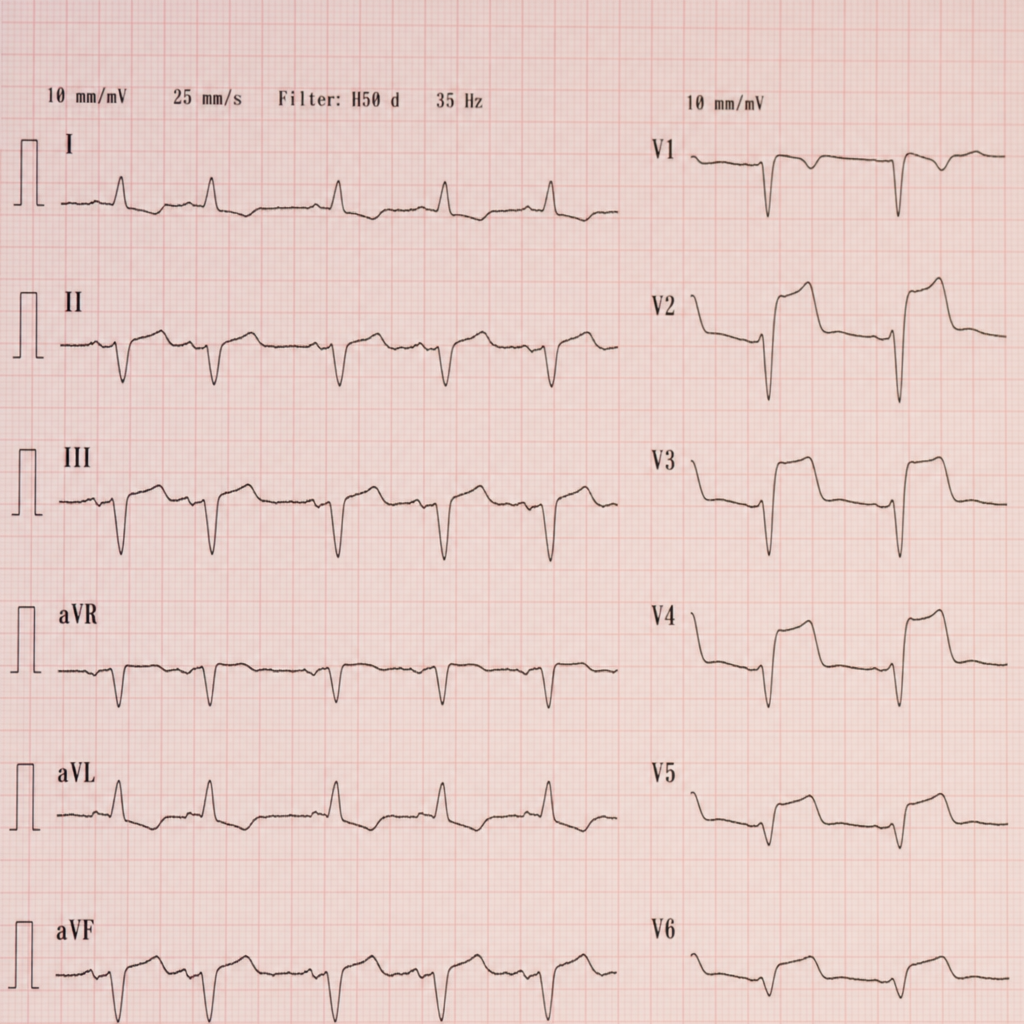
A 67-year-old man with a history of hypertension and type 2 diabetes presents to the emergency department with 2 hours of substernal chest pressure radiating to his left arm, diaphoresis, and nausea. BP is 98/60 mmHg, HR 112 bpm, RR 22/min, SpO₂ 94% on room air. A 12-lead ECG is obtained showing ST elevations in leads V1–V4 with reciprocal ST depressions in leads II, III, and aVF, consistent with an anterior STEMI. The nearest PCI-capable center is 140 minutes away by transfer, and the anticipated first-medical-contact-to-device time will exceed 120 minutes. Which of the following is the most appropriate next step in management?
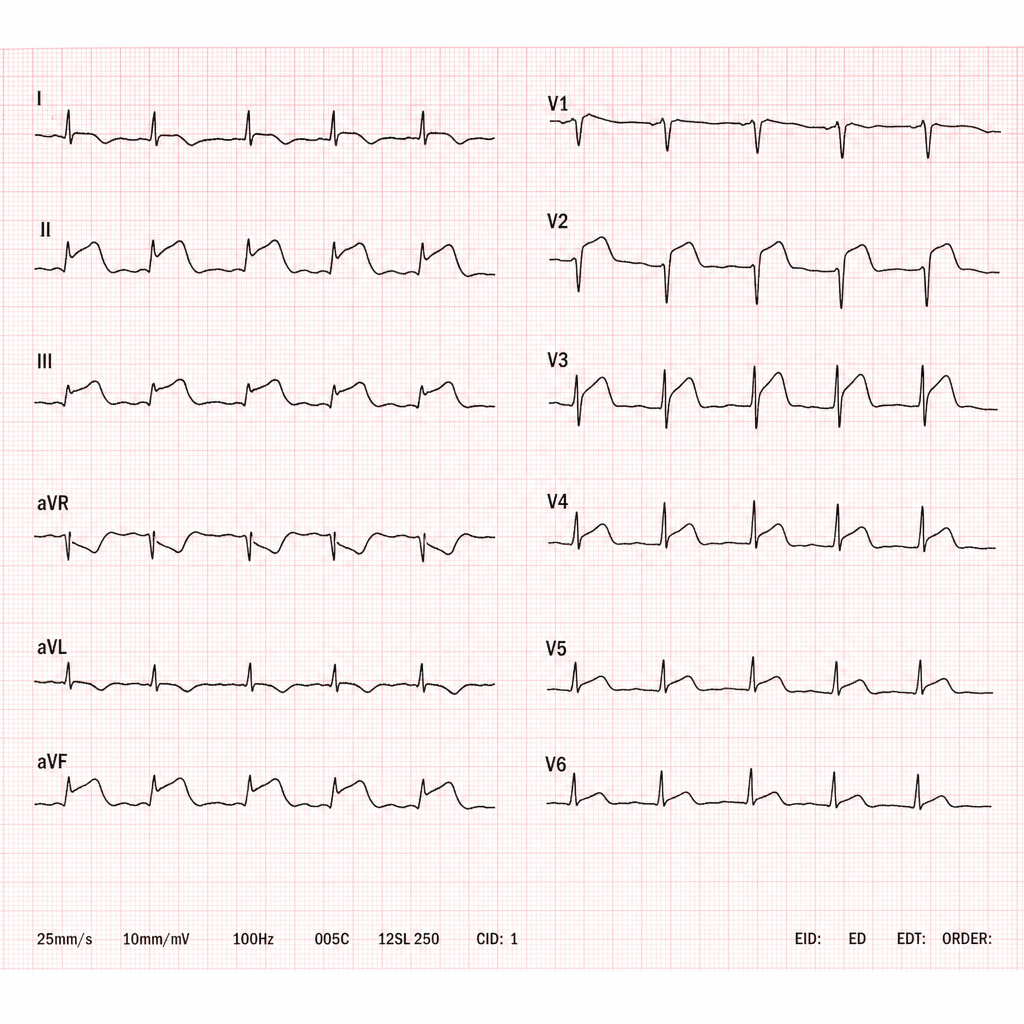
A 67-year-old man with a history of hypertension and type 2 diabetes presents to the emergency department with 2 hours of epigastric discomfort, diaphoresis, and mild dyspnea. He denies chest pain. His blood pressure is 88/60 mmHg, heart rate is 110 bpm, respiratory rate is 22/min, and oxygen saturation is 94% on room air. An ECG is obtained showing ST elevations in leads II, III, and aVF with ST elevation in V1 and reciprocal ST depression in leads I and aVL, consistent with an inferior STEMI with right ventricular involvement. Physical examination reveals jugular venous distension and clear lung fields. Which of the following is the most appropriate immediate next step in management?
A 52-year-old woman with lupus nephritis (Class IV) achieved remission with mycophenolate and prednisone 18 months ago. She now presents with recurrent proteinuria (urine protein-to-creatinine ratio 2,800 mg/g, increased from 200 mg/g), stable creatinine 1.4 mg/dL, C3 68 mg/dL (decreased from 110 mg/dL), anti-dsDNA positive at high titer. She has been medication-compliant. Repeat kidney biopsy shows active proliferative lesions with no chronic changes. Evaluate the optimal therapeutic strategy.
A 25-year-old woman presents with acute kidney injury, hemoptysis, and dyspnea. Labs show: creatinine 4.2 mg/dL (baseline 0.8 mg/dL), urinalysis with RBC casts and 3+ protein. Chest X-ray shows bilateral infiltrates. Anti-GBM antibodies are positive at high titer, ANCA is negative, complement levels are normal. She is started on plasmapheresis and pulse steroids. Her creatinine continues to rise to 6.8 mg/dL after 5 days. Kidney biopsy shows 95% crescents. Evaluate the next management priority.
A 68-year-old man with CKD stage 4 (eGFR 24 mL/min/1.73m²) secondary to diabetic nephropathy presents for dialysis planning. He is asymptomatic, lives alone, works full-time, and wants to maintain independence. Labs show: creatinine 3.8 mg/dL, potassium 5.1 mEq/L, bicarbonate 20 mEq/L, albumin 3.6 g/dL, phosphorus 5.2 mg/dL. He has adequate health literacy and manual dexterity. Evaluate the optimal renal replacement strategy.
Practice by Chapter
CKD classification and staging
Practice Questions
CKD etiology and pathophysiology
Practice Questions
CKD complications management
Practice Questions
Diabetic nephropathy
Practice Questions
Hypertensive nephrosclerosis
Practice Questions
Glomerulonephritis classification
Practice Questions
Primary glomerular diseases
Practice Questions
Secondary glomerular diseases
Practice Questions
Nephrotic syndrome
Practice Questions
Nephritic syndrome
Practice Questions
Acute kidney injury
Practice Questions
Renal replacement therapy
Practice Questions
Kidney transplantation
Practice Questions
Want unlimited practice?
Get full access to all questions, explanations, and performance tracking.
Scan to download app