
Cardiology — MCQs

On this page
A 61-year-old man with a 45-pack-year smoking history presents with a 4-month history of progressive exertional dyspnea and a productive cough. He has no fever, hemoptysis, or weight loss. Spirometry is performed. Post-bronchodilator FEV1/FVC ratio is 0.58, and FEV1 is 52% of predicted. Lung volumes show a TLC of 128% predicted and RV of 185% predicted. Which of the following additional findings would most strongly support the underlying diagnosis over a restrictive pattern?
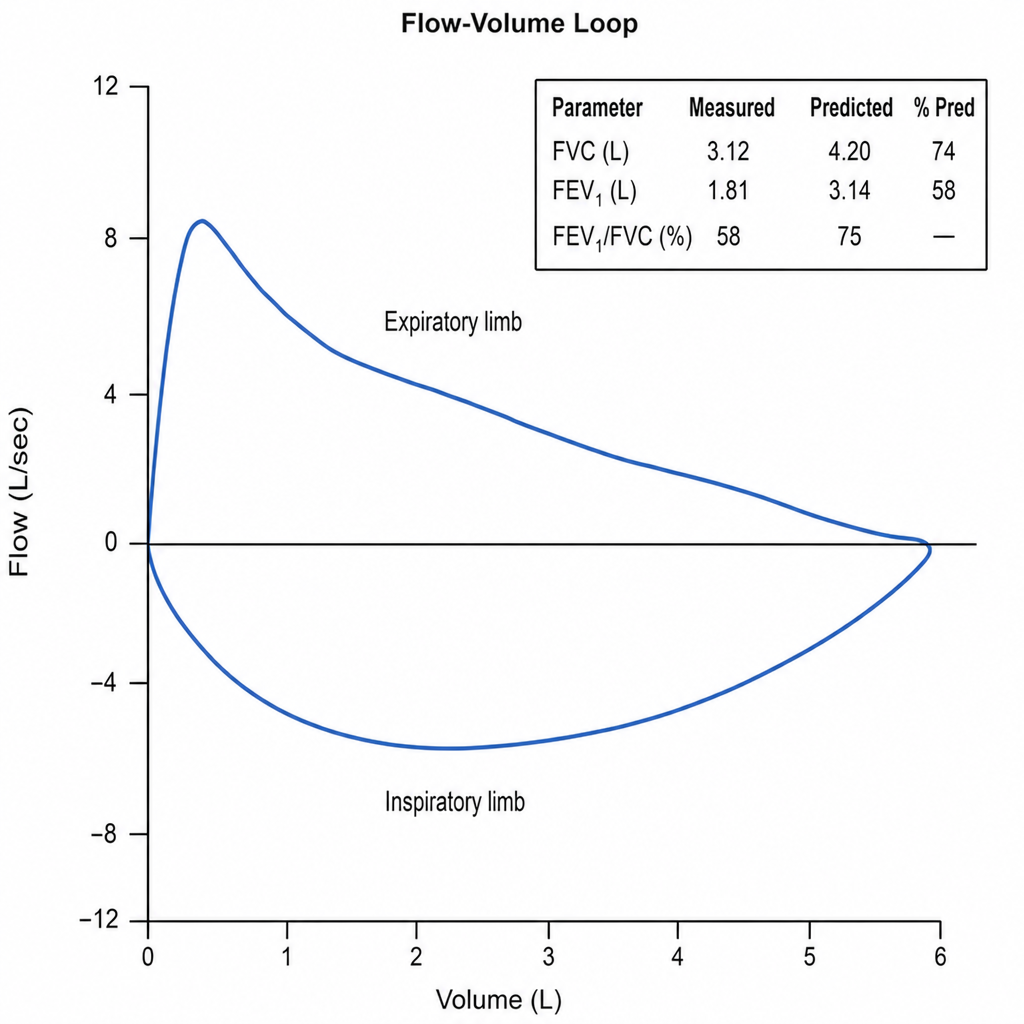
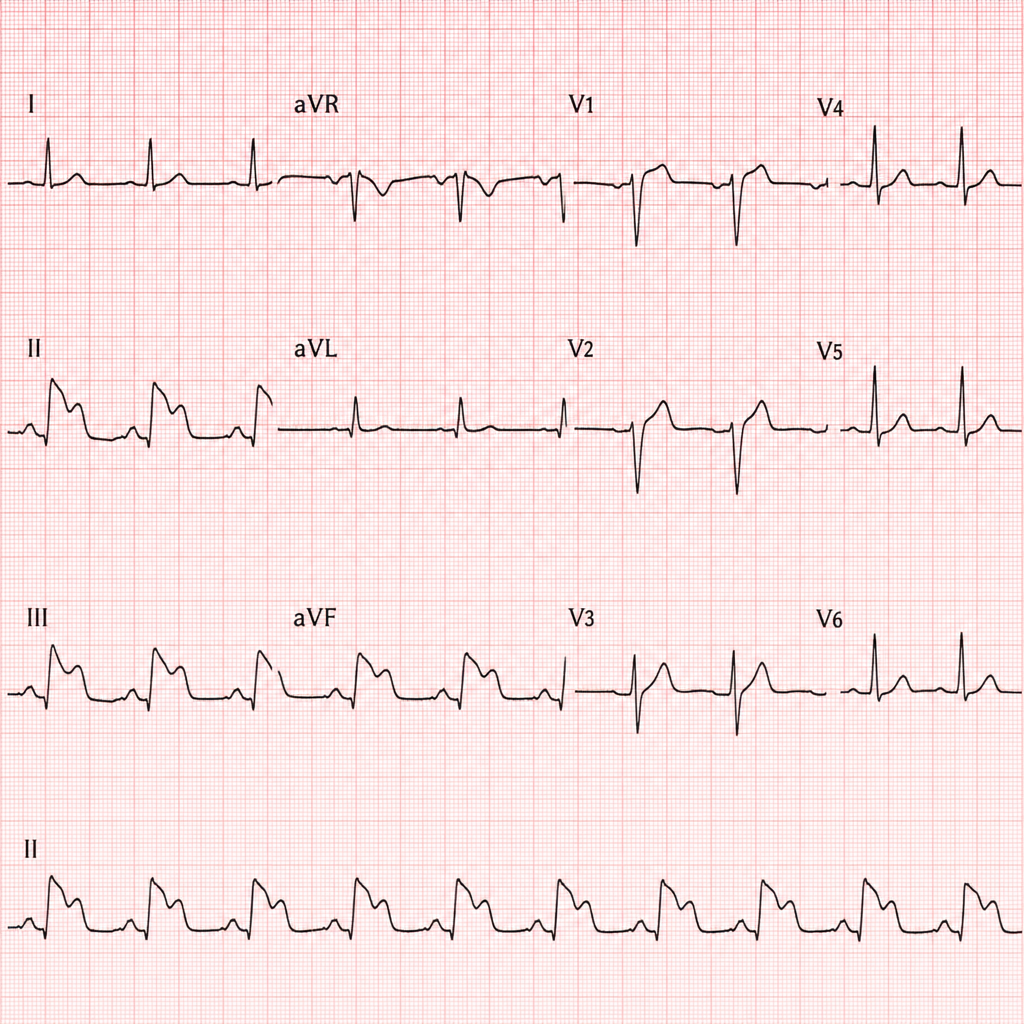
A 67-year-old man with a history of hypertension and type 2 diabetes presents to the emergency department with 2 hours of substernal chest pressure radiating to his left arm, diaphoresis, and nausea. His BP is 88/60 mmHg, HR is 110 bpm, RR is 22/min, and O₂ saturation is 94% on room air. Lung auscultation reveals bibasilar crackles. A 12-lead ECG shows ST-segment elevation in leads II, III, and aVF with reciprocal ST depression in leads I and aVL, consistent with an acute inferior STEMI. The nearest cardiac catheterization laboratory is 45 minutes away by transfer, yielding an estimated first medical contact-to-device time of approximately 90 minutes and a door-in-door-out time target of ≤30 minutes. Which of the following is the most appropriate next step in management?
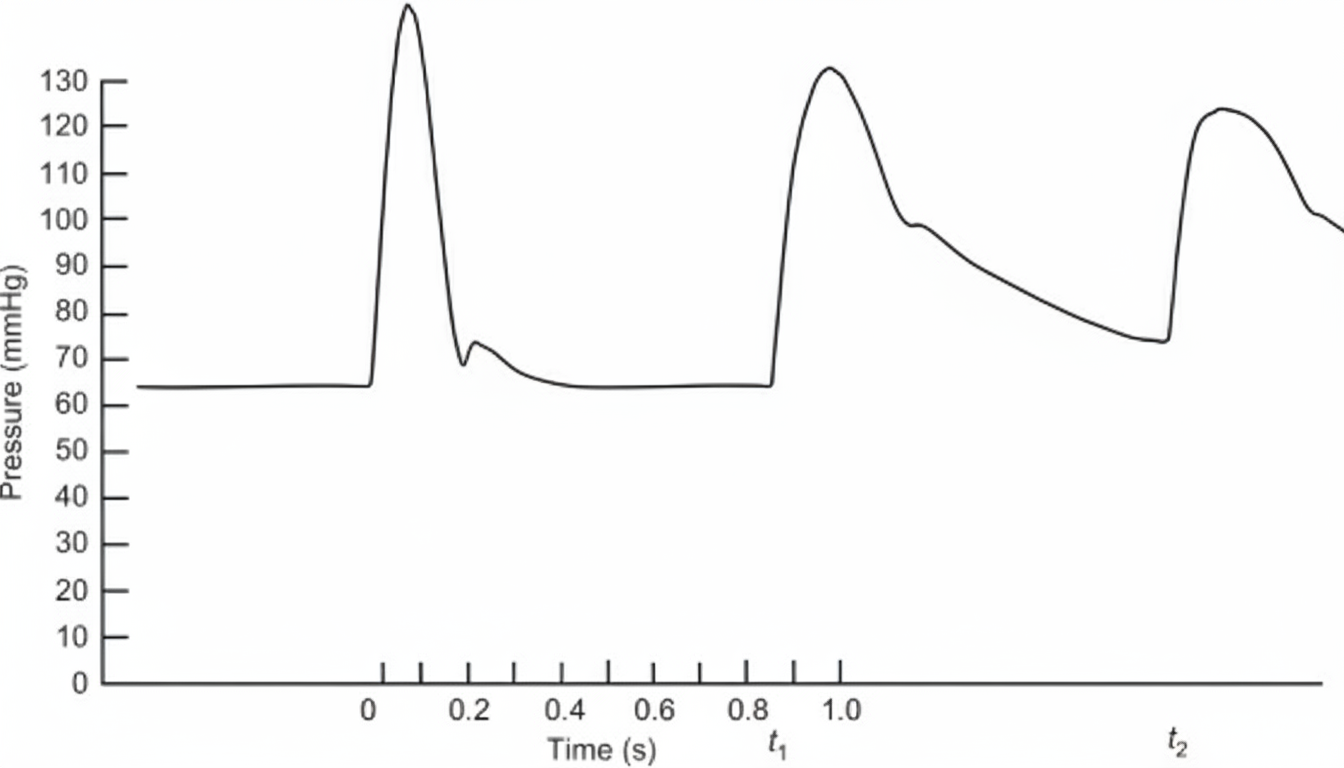
Which of the following flow recording is shown below?
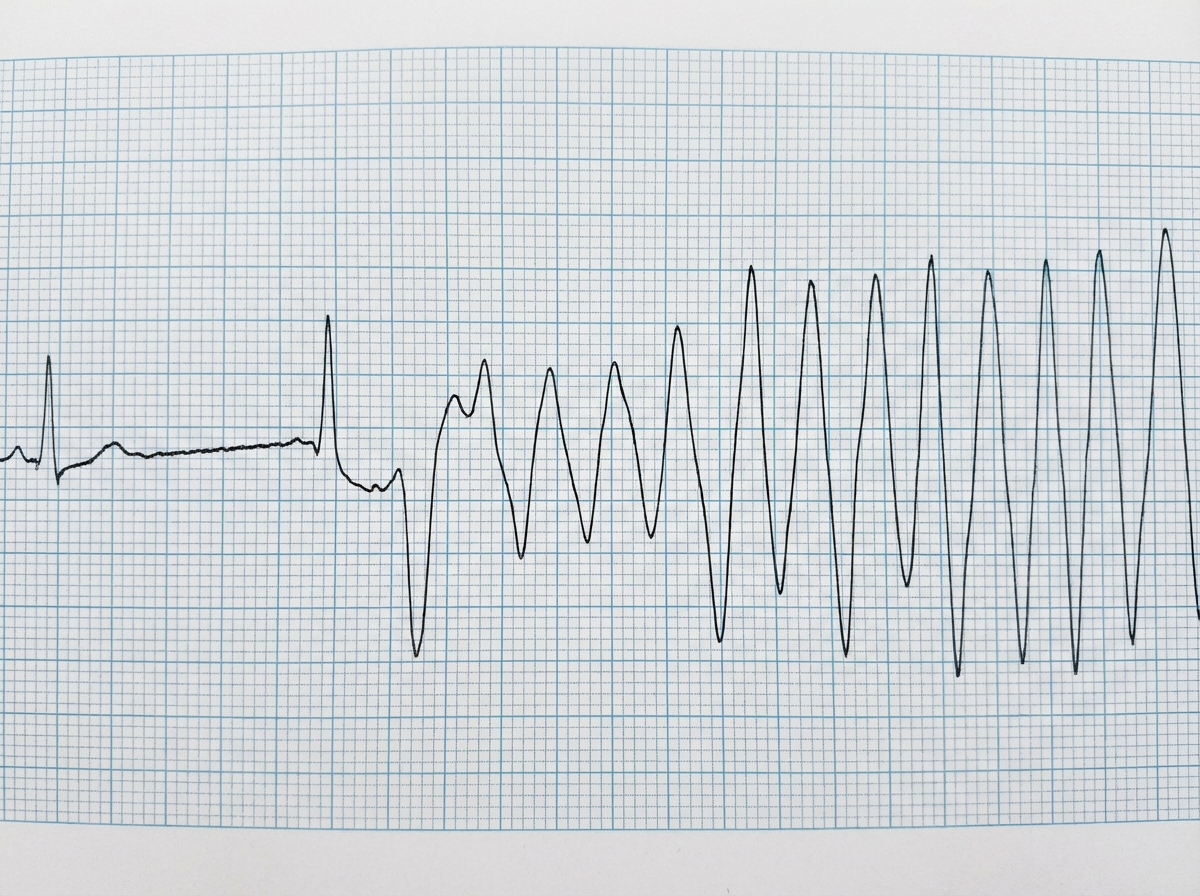
A hypokalemic patient develops syncope with hypotension in ICU. Name the ECG abnormality with preferred drug to be used. (Recent NEET Pattern 2016-17)
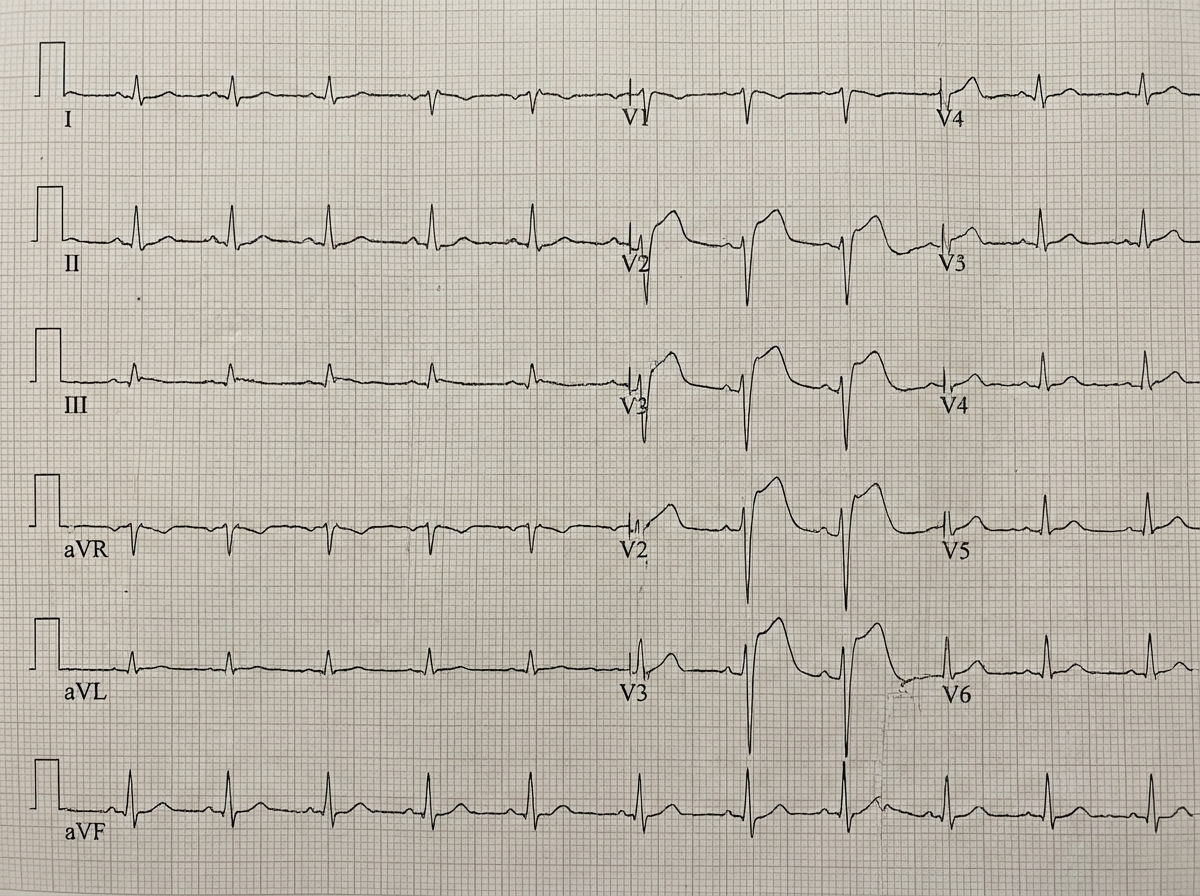
The ECG shows presence of ST elevation from V2-V5. What is the diagnosis?
Practice by Chapter
Hypertension diagnosis and management
Practice Questions
Stable coronary artery disease
Practice Questions
Peripheral arterial disease
Practice Questions
Aortic diseases
Practice Questions
Valvular heart disease
Practice Questions
Pericardial diseases
Practice Questions
Adult congenital heart disease
Practice Questions
Cardiac tumors
Practice Questions
Cardiac manifestations of systemic diseases
Practice Questions
Pre-operative cardiac risk assessment
Practice Questions
Cardiac imaging modalities
Practice Questions
Preventive cardiology
Practice Questions
Cardiac rehabilitation
Practice Questions
Want unlimited practice?
Get full access to all questions, explanations, and performance tracking.
Scan to download app