Anatomy
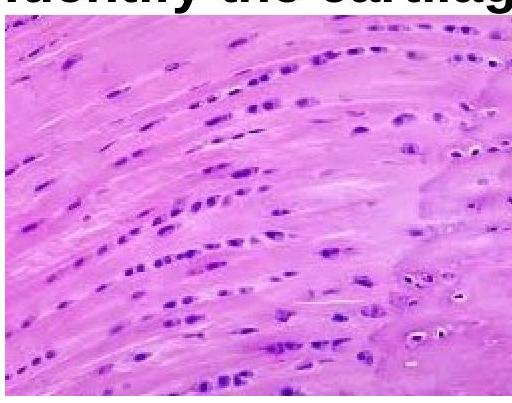
1 questionsIdentify the type of cartilage shown in the image.
Anesthesiology
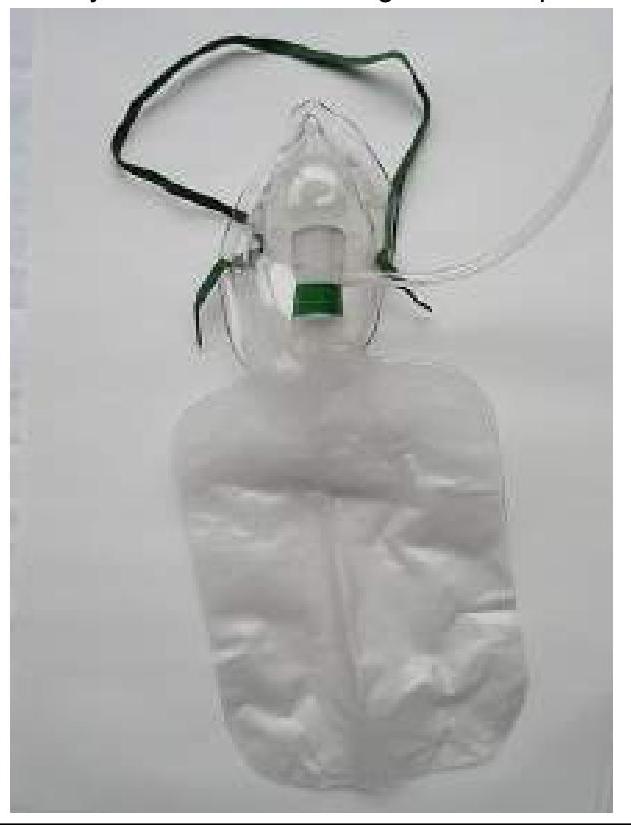
1 questionsIdentify the mask used for patients requiring high concentrations of oxygen.
Biochemistry
1 questionsAn adolescent male patient presents to you with exercise intolerance. He gives a history of developing cramps on exertion. Which of the following enzyme deficiencies could be the cause?
Forensic Medicine
2 questionsA patient presents with complaints of hair loss and behavioral changes noted by his wife. Upon examination, the doctor observes a loss of eyebrows. After further assessment, including an examination of the nails, what type of poisoning is suspected in this case?
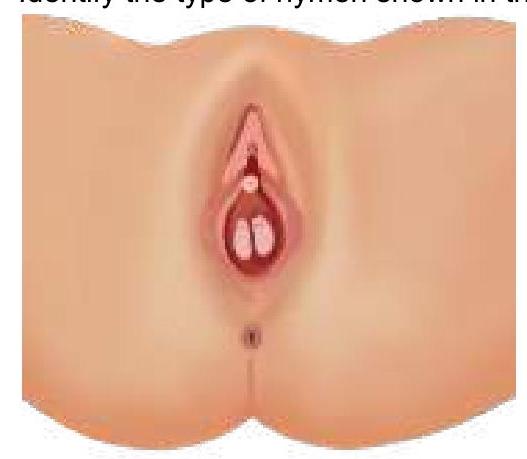
Identify the type of hymen.
Internal Medicine
2 questionsWhich of the following is not seen in MEN 2B syndrome?
A patient presents to you with fever, night sweats, ptosis, and bilateral facial nerve palsy. Investigations showed leukocytosis and bilateral hilar lymphadenopathy. Which of the following is the most likely diagnosis?
Obstetrics and Gynecology
1 questionsWhich of the following is NOT an absolute contraindication for the use of an Intra Uterine Contraceptive Device (IUD)?
Orthopaedics
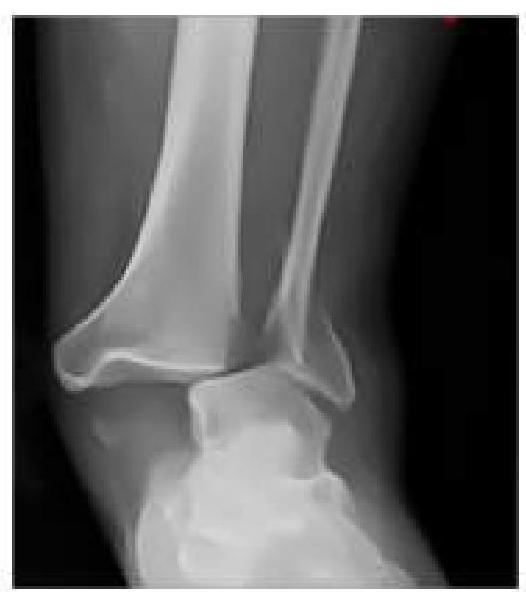
1 questionsAn RTA patient presented to the emergency department with severe pain in the ankle. An X-ray was performed, given below. What is the best next step in management?
Pharmacology
1 questionsA patient presents to the emergency department with a history of ingestion of ten tablets of paracetamol. He has developed oliguria and liver function tests show deranged values. In the context of paracetamol overdose, which of the following can be used in the management of this condition?