Which type of artery is most commonly involved in PAN?
In which non-neoplastic condition is CEA commonly elevated?
Extremities are warm in which type of shock
Diabetic foot is associated with following type of gangrene -
Which of the following is a cause of post-transplantation hypertension? I. Rejection II. Cyclosporine nephrotoxicity III. Renal transplant artery stenosis (RTAS) IV. Recurrent disease in the allograft. Select the correct option.
In which condition is Serum Amyloid Associated (SAA) protein most commonly found?
Shrinking Lung Syndrome is seen in:
Which of the following findings is diagnostic of iron deficiency anemia?
Which antibody is primarily associated with warm autoimmune hemolytic anemia (AIHA)?
What does the measurement of Glomerular Filtration Rate (GFR) help determine in kidney function?
NEET-PG 2015 - Internal Medicine NEET-PG Practice Questions and MCQs
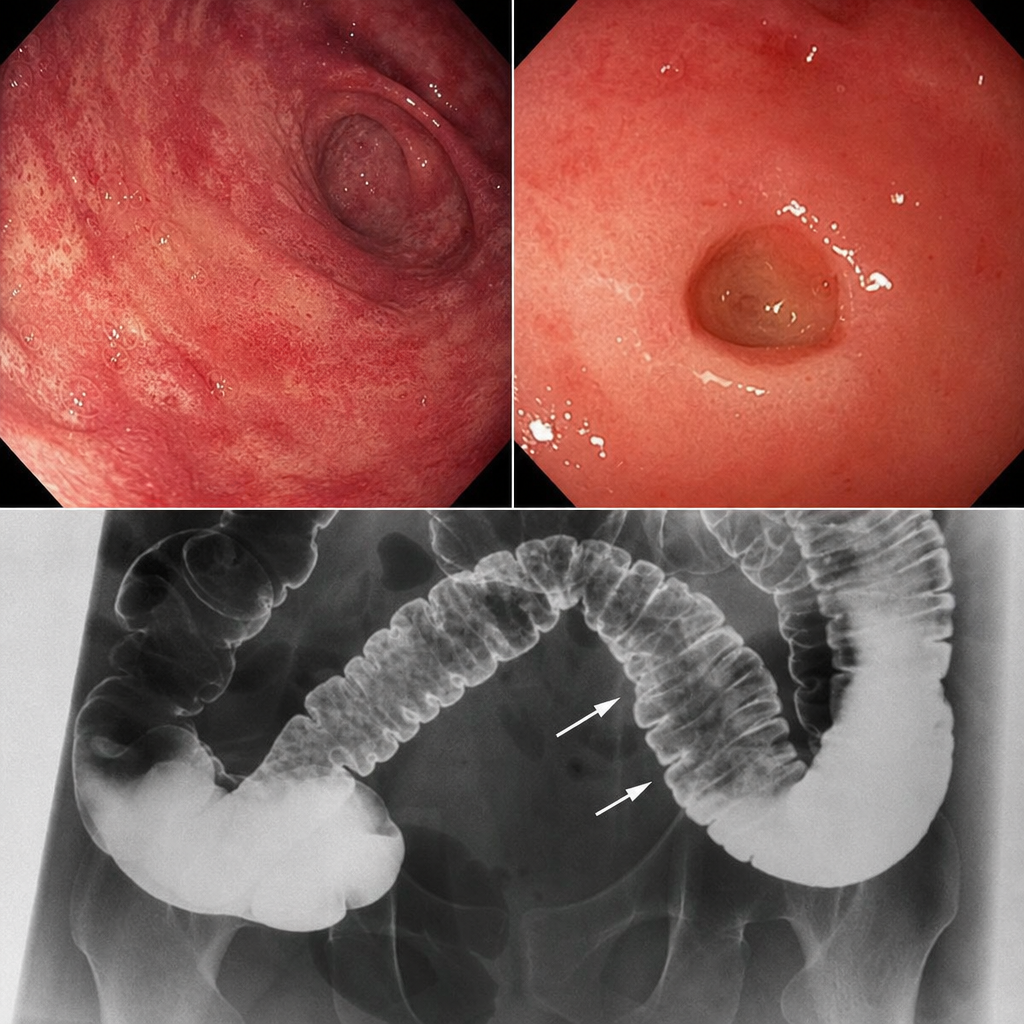
Question 11: Which type of artery is most commonly involved in PAN?
- A. Muscular (Correct Answer)
- B. Capillaries
- C. Elastic
- D. Arterioles
Explanation: ***Muscular*** - **Polyarteritis nodosa (PAN)** predominantly affects **medium to small-sized muscular arteries**, leading to inflammation, necrosis, and microaneurysms [1]. - This involvement often causes **organ ischemia** and symptoms related to the affected organs, such as the kidneys, gastrointestinal tract, and skin [1]. *Elastic* - **Elastic arteries**, such as the aorta and its major branches, are typically spared in PAN due to their larger size and distinct histological structure. - Diseases like **Takayasu arteritis** or **Giant cell arteritis** are more commonly associated with vasculitis affecting large elastic arteries. *Arterioles* - While arterioles can be affected in various forms of vasculitis, they are not the primary target in classic PAN. - Involvement of arterioles is more characteristic of **microscopic polyangiitis** or **Churg-Strauss syndrome** [2]. *Capillaries* - **Capillaries** are the smallest blood vessels, and their involvement is rare in PAN. - Conditions like **Henoch-Schönlein purpura** or some drug-induced vasculitides more typically affect capillaries, often resulting in palpable purpura [2].
Question 12: In which non-neoplastic condition is CEA commonly elevated?
- A. Pancreatitis
- B. Inflammatory bowel disease (Correct Answer)
- C. Hemolytic anemia
- D. Liver disease
Explanation: ***Inflammatory bowel disease*** - **Carcinoembryonic antigen (CEA)** levels can be elevated in conditions involving active inflammation and rapid cell turnover within the gastrointestinal tract, such as **inflammatory bowel disease (IBD)** [1]. - While CEA is primarily a tumor marker, its elevation in IBD reflects the extensive mucosal inflammation and repair processes, rather than malignancy. *Hemolytic anemia* - **Hemolytic anemia** involves the destruction of red blood cells and does not typically lead to elevated CEA levels. - Elevated CEA is associated with certain epithelial conditions, not primary hematologic disorders. *Pancreatitis* - While **pancreatitis** can cause elevated levels of other markers like amylase and lipase, it is not consistently associated with elevated CEA. - CEA elevation in pancreatic conditions usually points towards a **pancreatic malignancy**. *Liver disease* - **Liver disease**, particularly severe inflammation or cirrhosis, can sometimes cause a mild elevation in CEA due to impaired clearance or increased production in damaged tissue. - However, levels are typically not as high or consistently elevated as in IBD, and significant elevation often prompts investigation for **primary hepatic or metastatic malignancy**.
Question 13: Extremities are warm in which type of shock
- A. Hypovolemic shock
- B. Neurogenic shock (Correct Answer)
- C. Anaphylactic shock
- D. Cardiogenic shock
Explanation: ***Neurogenic shock*** - This type of shock is caused by a loss of **sympathetic tone**, leading to widespread **vasodilation** and a relative hypovolemia, resulting in warm, flushed extremities. - The decreased systemic vascular resistance causes **blood pooling** in the periphery rather than being shunted to vital organs, contributing to the warm skin. *Hypovolemic shock* - Characterized by **decreased blood volume**, leading to activation of the sympathetic nervous system and **vasoconstriction** to shunt blood to vital organs. - This results in **cold, clammy extremities** due to reduced peripheral perfusion. *Anaphylactic shock* - An acute, life-threatening hypersensitivity reaction involving massive release of inflammatory mediators, causing widespread **vasodilation** and increased vascular permeability. - While it can cause flushing and warmth initially due to vasodilation, it often leads to significant fluid shifts and can present with both warm and then cool, clammy skin as shock progresses. *Cardiogenic shock* - Caused by **severe cardiac pump failure**, leading to decreased cardiac output and poor tissue perfusion. - The body's compensatory mechanisms, including sympathetic activation, cause **peripheral vasoconstriction**, leading to **cold, clammy extremities**.
Question 14: Diabetic foot is associated with following type of gangrene -
- A. Dry gangrene
- B. Wet gangrene (Correct Answer)
- C. Gas gangrene
- D. Fournier's gangrene
Explanation: ***Wet gangrene*** - Diabetic foot commonly leads to **ischemia** and **infection** [1], resulting in wet gangrene characterized by moist, necrotic tissue. - This type of gangrene is associated with **rapid progression** and can result in systemic toxicity, making prompt treatment essential. *Fournier's gangrene* - This type of gangrene specifically affects the **perineal** region and is not directly associated with diabetic foot. - It usually arises from infections related to **perineal trauma** or surgical procedures. *Gas gangrene* - Caused by **Clostridium** species and typically follows a traumatic injury or surgical procedure, not specifically related to diabetes. - Presents with **crepitus** and rapid systemic symptoms, different from the chronic nature of diabetic ulcers. *Dry gangrene* - Associated with **chronic ischemia** and necrosis, it occurs in conditions like peripheral arterial disease, not primarily with infections seen in diabetic foot [1]. - It usually develops gradually without the sudden onset of symptoms characteristic of wet gangrene.
Question 15: Which of the following is a cause of post-transplantation hypertension? I. Rejection II. Cyclosporine nephrotoxicity III. Renal transplant artery stenosis (RTAS) IV. Recurrent disease in the allograft. Select the correct option.
- A. None of the above are correct causes.
- B. I, II, and IV are correct causes.
- C. I and III are correct causes.
- D. All of the options are correct causes of post-transplantation hypertension. (Correct Answer)
Explanation: ***All of the options are correct causes of post-transplantation hypertension.*** - Post-transplantation hypertension often has a multifactorial etiology, with **rejection**, **cyclosporine nephrotoxicity**, **renal transplant artery stenosis (RTAS)**, and **recurrent disease in the allograft** all being significant contributors. - Each of these conditions can lead to mechanisms that elevate blood pressure, such as **renal ischemia**, activation of the **renin-angiotensin system**, and inflammatory responses affecting renal function. *I, II, and IV are correct causes.* - This option is incorrect because it excludes **renal transplant artery stenosis (RTAS)** (III), which is a well-established cause of secondary hypertension in transplant recipients due to reduced blood flow to the allograft. - **RTAS** activates the renin-angiotensin-aldosterone system (RAAS), leading to **vasoconstriction** and **sodium retention**, contributing to hypertension. *I and III are correct causes.* - This option is incorrect as it omits other crucial causes like **cyclosporine nephrotoxicity** (II) and **recurrent disease in the allograft** (IV), both of which are documented contributors to post-transplantation hypertension. - **Cyclosporine nephrotoxicity** causes afferent arteriolar vasoconstriction and glomerulosclerosis, directly increasing blood pressure. *None of the above are correct causes.* - This option is incorrect because **rejection**, **cyclosporine nephrotoxicity**, **renal transplant artery stenosis (RTAS)**, and **recurrent disease in the allograft** are all recognized and significant causes of post-transplantation hypertension. - Each condition has distinct pathological mechanisms that contribute to **elevated blood pressure** in transplant recipients.
Question 16: In which condition is Serum Amyloid Associated (SAA) protein most commonly found?
- A. Alzheimer's disease
- B. Malignant hypertension
- C. Chronic inflammatory states (Correct Answer)
- D. Chronic renal failure
- E. Acute myocardial infarction
Explanation: ***Chronic inflammatory states*** [1][2] - Serum amyloid-associated protein is elevated in response to **chronic inflammation**, such as in rheumatic diseases and infections [1][2]. - It serves as a **biomarker** indicating systemic inflammation and is part of the **acute-phase response** [1]. *Chronic renal failure* - While renal failure can lead to amyloidosis, it is not a direct cause of serum amyloid-associated protein elevation. - **Renal impairment** is more associated with a decrease in clearance rather than production of amyloid proteins. *Alzheimer's disease* - Although amyloid plaques are a hallmark of Alzheimer's, they are related to **A-beta peptide**, not serum amyloid-associated protein. - Alzheimer's pathology primarily involves **neurodegeneration** rather than inflammatory response. *Malignant hypertension* - Malignant hypertension primarily affects the **vascular system** and does not directly involve the production of serum amyloid-associated protein. - It is characterized by end-organ damage, rather than a state of chronic inflammation. *Chronic inflammatory conditions like RA, TB & leprosy, osteomyelitis, ankylosing spondylitis, IBD, bronchiectasis, some tumors* [1][2] - While these conditions can be associated with systemic inflammation, they are too specific and do not comprehensively encompass the broader concept of **chronic inflammatory states**. - This option fails to highlight that serum amyloid-associated protein is a marker for **various chronic inflammatory states** beyond just those listed [1].
Question 17: Shrinking Lung Syndrome is seen in:
- A. SLE (Correct Answer)
- B. Rheumatoid Arthritis
- C. Scleroderma
- D. Sarcoidosis
Explanation: ***SLE*** - **Shrinking lung syndrome (SLS)** is a rare but recognized pulmonary manifestation of **systemic lupus erythematosus (SLE)** [1]. - It is characterized by **dyspnea**, **pleuritic chest pain**, and elevated diaphragms with reduced lung volumes, often without significant interstitial lung disease [1]. *Rheumatoid Arthritis* - While **rheumatoid arthritis** can cause various lung manifestations like **interstitial lung disease (ILD)**, pleural effusions, and rheumatoid nodules, **shrinking lung syndrome** is not typically associated with it [2]. - Lung disease in RA often involves **pulmonary fibrosis** or bronchiolitis, differing from the restrictive physiology of SLS. *Scleroderma* - **Scleroderma (Systemic Sclerosis)** commonly affects the lungs, primarily leading to **interstitial lung disease (ILD)** and **pulmonary hypertension** [1]. - **Shrinking lung syndrome**, with its characteristic restrictive pattern and elevated diaphragms, is not a typical presentation of lung involvement in scleroderma. *Sarcoidosis* - **Sarcoidosis** is characterized by the formation of **non-caseating granulomas**, primarily affecting the lungs and lymph nodes. - Lung involvement in sarcoidosis typically presents as **interstitial lung disease** or nodular infiltrates, not the distinct features of **shrinking lung syndrome** [3].
Question 18: Which of the following findings is diagnostic of iron deficiency anemia?
- A. Increased TIBC, decreased serum ferritin (Correct Answer)
- B. Decreased TIBC, decreased serum ferritin
- C. Increased TIBC, increased serum ferritin
- D. Decreased TIBC, increased serum ferritin
Explanation: ***Increased TIBC, decreased serum ferritin*** - **Iron deficiency anemia** is characterized by depleted iron stores, leading to a **decreased serum ferritin** level, which is the most sensitive and specific marker for iron deficiency [4]. - In response to low iron stores, the body upregulates iron absorption and transport mechanisms, resulting in an **increased Total Iron Binding Capacity (TIBC)**, as there are more transferrin molecules available to bind iron [1]. *Decreased TIBC, decreased serum ferritin* - While a **decreased serum ferritin** is consistent with iron deficiency, a **decreased TIBC** is more indicative of **anemia of chronic disease** [1], where the body sequesters iron, leading to reduced iron availability for binding. - In **anemia of chronic disease**, both ferritin (an acute phase reactant) and TIBC can be reduced due to the inflammatory state [1], [2]. *Increased TIBC, increased serum ferritin* - An **increased TIBC** is seen in iron deficiency, but an **increased serum ferritin** indicates adequate or even **overloaded iron stores**, which contradicts the diagnosis of iron deficiency anemia. - High ferritin levels can be seen in conditions like **hemochromatosis** (iron overload) or **inflammation**, where ferritin acts as an acute phase reactant [5]. *Decreased TIBC, increased serum ferritin* - This combination is typical of **anemia of chronic disease**, where inflammation causes **increased serum ferritin** (as an acute phase reactant) and a **decreased TIBC** due to reduced production of transferrin [1]. - In this type of anemia, iron is often trapped within macrophages, making it unavailable for erythropoiesis despite seemingly normal or elevated stores [3].
Question 19: Which antibody is primarily associated with warm autoimmune hemolytic anemia (AIHA)?
- A. IgE
- B. IgM
- C. IgG (Correct Answer)
- D. IgD
Explanation: ***IgG*** - **Warm autoimmune hemolytic anemia (AIHA)** is primarily associated with **IgG antibodies**, which mediate hemolysis at body temperature [1]. - IgG antibodies typically bind to red blood cells and lead to their destruction by the **reticuloendothelial system** [1]. *IgM* - Often involved in **cold agglutinin disease**, not warm AIHA, as it primarily reacts at lower temperatures [2]. - Usually results in **hemolysis** in peripheral areas, like the extremities, rather than at normal body temperature [2]. *IgD* - Known primarily as a marker on **B cells**, it plays a minimal role in hemolytic anemia and is not involved in antibody-mediated hemolysis. - Lack of significant **serological presence** in autoimmune hemolytic processes makes it an unlikely candidate. *IgE* - Primarily associated with **allergic reactions** and parasitic infections rather than autoimmune hemolytic conditions [2]. - Does not typically participate in **hemolysis** or bind to red blood cells in AIHA.
Question 20: What does the measurement of Glomerular Filtration Rate (GFR) help determine in kidney function?
- A. Heart rate
- B. Recovery from shock
- C. Stage of kidney disease (Correct Answer)
- D. Blood volume
Explanation: Stage of kidney disease - A low GFR indicates impaired kidney function, helping to classify the severity and stage of chronic kidney disease (CKD) [1]. - Monitoring GFR over time is crucial for assessing disease progression and guiding treatment strategies [1]. *Heart rate* - Heart rate is a measure of cardiac function and is not directly assessed by GFR. - Kidney function can indirectly affect heart rate over time (e.g., in advanced kidney disease with fluid overload), but GFR itself doesn't measure it. *Recovery from shock* - While kidney function is important during shock, GFR primarily measures the kidney's filtration capacity at a given moment. - Recovery from shock involves many physiological parameters beyond just kidney filtration, such as blood pressure and organ perfusion. *Blood volume* - Blood volume is regulated by many mechanisms, including hormonal systems (e.g., renin-angiotensin-aldosterone system) and fluid intake/excretion. - Although kidneys play a role in fluid balance, GFR specifically measures the rate of filtration of blood plasma, not the overall blood volume [1].