
Autonomic/CV Drugs — MCQs

On this page
A 47-year-old woman comes to the physician because of a 5-month history of insomnia. She frequently experiences leg discomfort when trying to fall asleep that is relieved temporarily by movement. Her husband tells her that she frequently flexes her ankles upward when she sleeps. She appears fatigued and anxious. Physical examination shows no abnormalities. Laboratory studies including a complete blood count and iron studies are within the reference range. Which of the following is the most appropriate pharmacotherapy?
A 51-year-old man is undergoing chemotherapy treatment for a rapidly progressive newly-diagnosed acute myelogenous leukemia. On day 4 of his hospitalization, the patient is noted to be obtunded. Other than the chemotherapy, he is receiving lansoprazole, acetaminophen, and an infusion of D5–0.9% normal saline at 50 mL/h. On examination, the patient’s blood pressure is 94/50 mm Hg, heart rate is 52/min, and respiratory rate is 14/min. The patient appears weak but is in no acute distress. Chest auscultation reveals bibasilar crackles and scattered wheezing. His abdomen is soft, non-distended, and with a palpable liver and spleen. His ECG shows peaked T waves and widened QRS complexes. What is the best next step in the management of this patient?
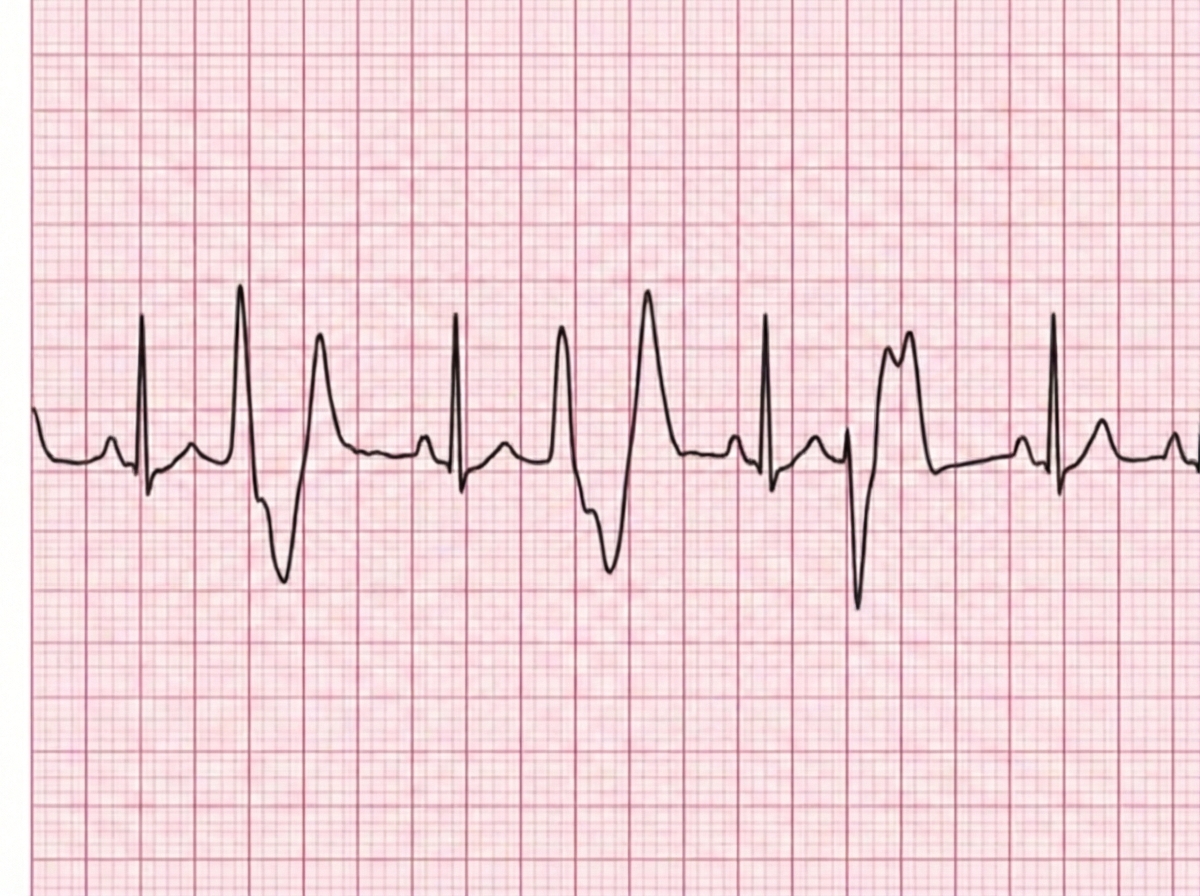
A 59-year-old man is brought to the emergency department because of a 2-hour history of abdominal pain and severe vomiting after ingesting an unknown medication in a suicide attempt. On the way to the hospital, he had a generalized tonic-clonic seizure. He has chronic obstructive pulmonary disease, coronary artery disease, and chronic back pain. His pulse is 130/min, respirations are 16/min, and blood pressure is 110/60 mm Hg. Serum studies show a glucose concentration of 180 mg/dL and a potassium concentration of 2.8 mEq/L. An ECG shows ventricular tachycardia. This patient's current findings are most likely caused by an overdose of which of the following drugs?
A 78-year-old female presents to her primary care provider complaining of shaking of her hands. She reports that her hands shake when she is pouring her coffee in the morning and when she is buttoning her shirt. She has noticed that her tremor improves with the several beers she has every night with dinner. She has a past medical history of hypertension, atrial fibrillation, moderate persistent asthma, acute intermittent porphyria, and urinary retention. Her home medications include hydrochlorothiazide, warfarin, bethanechol, low-dose inhaled fluticasone, and an albuterol inhaler as needed. On physical exam, she has an irregularly irregular heart rhythm without S3/S4. She has mild wheezing on pulmonary exam. She has no tremor when her hands are in her lap. A low-amplitude tremor is present during finger-to-nose testing. Her neurological exam is otherwise unremarkable. Which of the following is a contraindication to the first-line treatment of this condition?
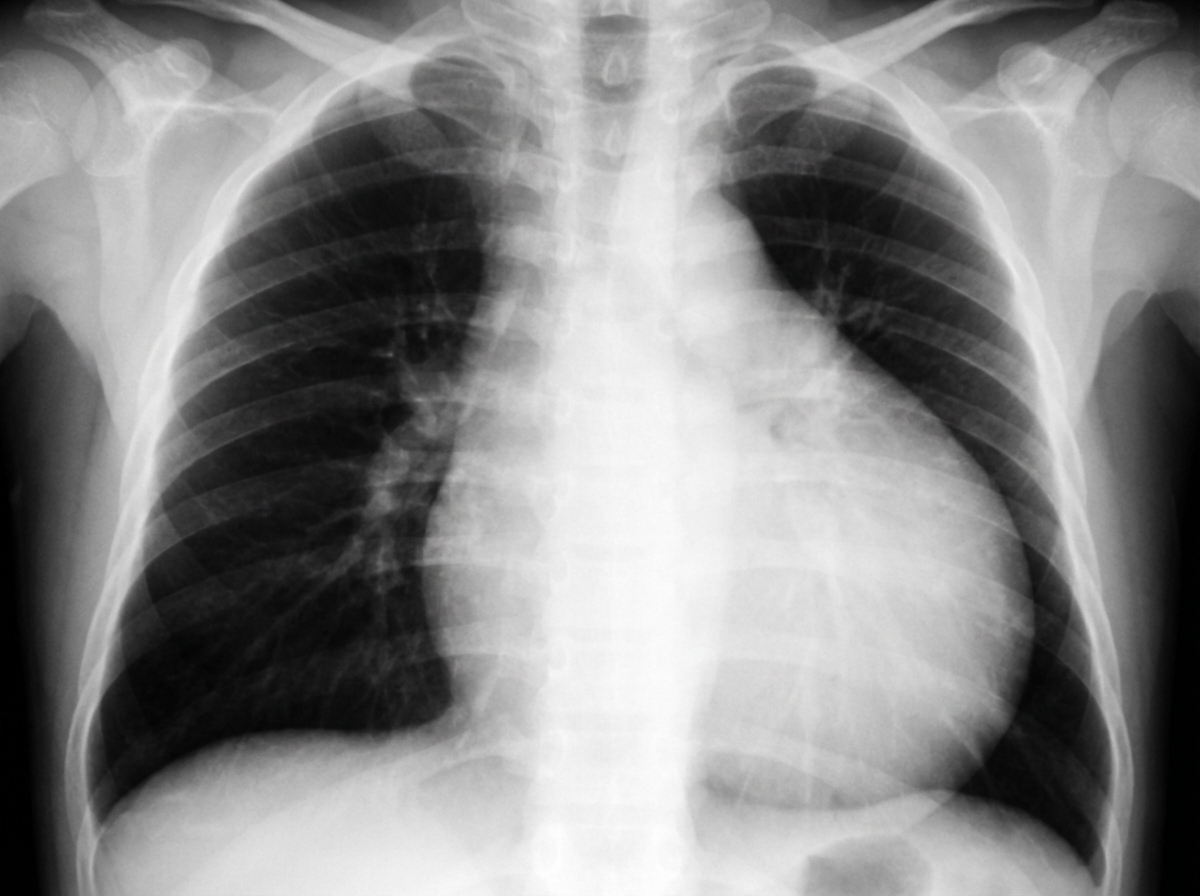
A 27-year-old woman, primigravida, gave birth to a boy 3 months ago and now presents the newborn to your clinic for evaluation. She did not receive prenatal care. She reports that she was taking a medication for her mood swings, but cannot remember the medication’s name. The baby was born cyanotic, with a congenital malformation of the heart that is characterized by apical displacement of the septa and posterior tricuspid valve leaflets. A chest radiograph is shown in the image. Which of the following medications was the mother most likely taking?
Two 19-year-old men are referred by their professor and mentor to a psychiatrist for substance abuse management. The two friends have both used different stimulants for 3 years—Drug A and Drug B, respectively. Both use these substances cyclically. Use of Drug A usually lasts for about 12 hours. The cycle for Drug B lasts several days. A month ago, both men visited the emergency room (ER) due to acute intoxication. Clinical features in the emergency department included hypotension, bradycardia, sweating, chills, mydriasis, nausea, and psychomotor agitation. After a urine drug screen, the psychiatrist identifies both the drugs and informs the professor that although both Drug A and Drug B are stimulants, their mechanisms of action are different. Drug A is an alkaloid that is naturally present in the leaves of the coca plant, while it is possible to make Drug B from over-the-counter nasal decongestant products. Which of the following options best describes the mechanism of action of both drugs?
A 51-year-old man presents to his primary care provider for recurrent epigastric pain. He reports a 3-month history of gnawing epigastric and chest pain that is worse after meals and after lying down. His past medical history is notable for obesity, hypertension, and hyperlipidemia. He takes lisinopril and rosuvastatin. He has a 30 pack-year smoking history and drinks 4-5 beers per day. On exam, he is well-appearing and in no acute distress. He has no epigastric tenderness. He is prescribed an appropriate medication for his symptoms and is told to follow up in 2 weeks. He returns 2 weeks later with improvement in his symptoms, and a decision is made to continue the medication. However, he returns to clinic 3 months later complaining of decreased libido and enlarged breast tissue. Which of the following medications was this patient most likely taking?
A 24-year-old female medical student presents to the emergency department after she develops sudden difficulty breathing and vague chest pain while preparing for exams. The chest pain is non-pleuritic without radiation. She denies any recent travel. She denies any hemoptysis, nausea, vomiting, or leg pain. She only takes oral contraceptives; she denies smoking or alcohol use. Her vitals reveal a heart rate of 120 beats per minute, blood pressure of 100/80 mm Hg, and respiratory rate of 30 per minute. She is afebrile. Otherwise, her physical exam is unremarkable. A CT scan of her chest with IV contrast reveals filling defects along her left pulmonary artery. Which of the following is the most likely mechanism of this finding?
A 59-year-old man comes to the emergency department because of progressively worsening chest pain and nausea that started while visiting a local bar 30 minutes ago. The pain radiates to the epigastric area. He has a 10-year history of untreated hypertension. He has smoked 1 pack of cigarettes daily for 35 years. The patient is diaphoretic and in marked distress. His pulse is 94/min, respirations are 28/min, and blood pressure is 161/92 mm Hg. Pulse oximetry on 2 L/min of oxygen via nasal cannula shows an oxygen saturation of 97%. Cardiac examination shows a regular heartbeat and a systolic ejection murmur heard best over the upper right sternal border. The lungs are clear to auscultation bilaterally. Pedal pulses are intact. An ECG shows inverted T waves in leads I, avL, and V5-6. Urine toxicology screening is positive for cocaine. Which of the following drugs is contraindicated in the management of this patient's condition?
A 28-year-old female patient with a history of schizophrenia, type 2 diabetes mellitus, and hypothyroidism comes to clinic stating she would like to be put back on a medication. She recently stopped taking her haloperidol as it made it hard for her to "sit still." She requests to be put on olanzapine as a friend from a support group said it was helpful. Why should this medication be avoided in this patient?
Practice by Chapter
Antiarrhythmic classification and mechanisms
Practice Questions
Class I antiarrhythmics (sodium channel blockers)
Practice Questions
Class II antiarrhythmics (beta blockers)
Practice Questions
Class III antiarrhythmics (potassium channel blockers)
Practice Questions
Class IV antiarrhythmics (calcium channel blockers)
Practice Questions
Other antiarrhythmic agents
Practice Questions
Antianginal drugs
Practice Questions
Positive inotropic agents
Practice Questions
Phosphodiesterase inhibitors
Practice Questions
Cardiac glycosides
Practice Questions
Vasopressors and inotropes
Practice Questions
Pulmonary hypertension therapies
Practice Questions
Peripheral vascular disease therapies
Practice Questions
Want unlimited practice?
Get full access to all questions, explanations, and performance tracking.
Scan to download app