
Trauma — MCQs

On this page
The term mid-line shift is associated with:
A 25-year-old man sustains a stab wound to the right chest at the 4th intercostal space, midaxillary line. He is hemodynamically stable with normal breath sounds bilaterally. Chest X-ray shows a small right pneumothorax (15%) and no hemothorax. What is the most appropriate initial management?
A 35-year-old man presents to the emergency department after a motorcycle accident. He has a blood pressure of 80/50 mmHg, heart rate of 120/min, and is alert but anxious. FAST exam shows free fluid in the pelvis. His hemoglobin is 8.2 g/dL (normal 14-16 g/dL). Which combination of findings best supports the need for immediate surgical intervention?
45-year-old construction worker presents after falling from scaffolding. He has multiple injuries: closed head injury with GCS 12, flail chest with respiratory distress, grade 3 splenic laceration with hemoperitoneum, and an open femur fracture. His blood pressure is 85/50 mmHg, heart rate 125/min, and oxygen saturation 88%. The trauma team must prioritize interventions. What is the most appropriate sequence of management?
A **hemodynamically stable** patient involved in a Road Traffic Accident (RTA) presents with: - Absent air entry on the left side of the chest. - Tenderness in the left lower chest wall. What is the next step in the Emergency Medicine Room (EMR) management?
Mr. Ramu, a 35-year-old male, sustained a straddle injury in a motor vehicle accident and presents to the emergency department with blood at the urethral meatus. What is the next appropriate step in his management?
A patient with a left hypochondrium contusion presents with systolic blood pressure of 70 mm Hg and pulse rate of 110 bpm. What is the best step in management?
A patient presents with breathlessness and decreased air entry into the right lung following a road traffic accident (RTA) and is hypotensive. What is the next step in management?
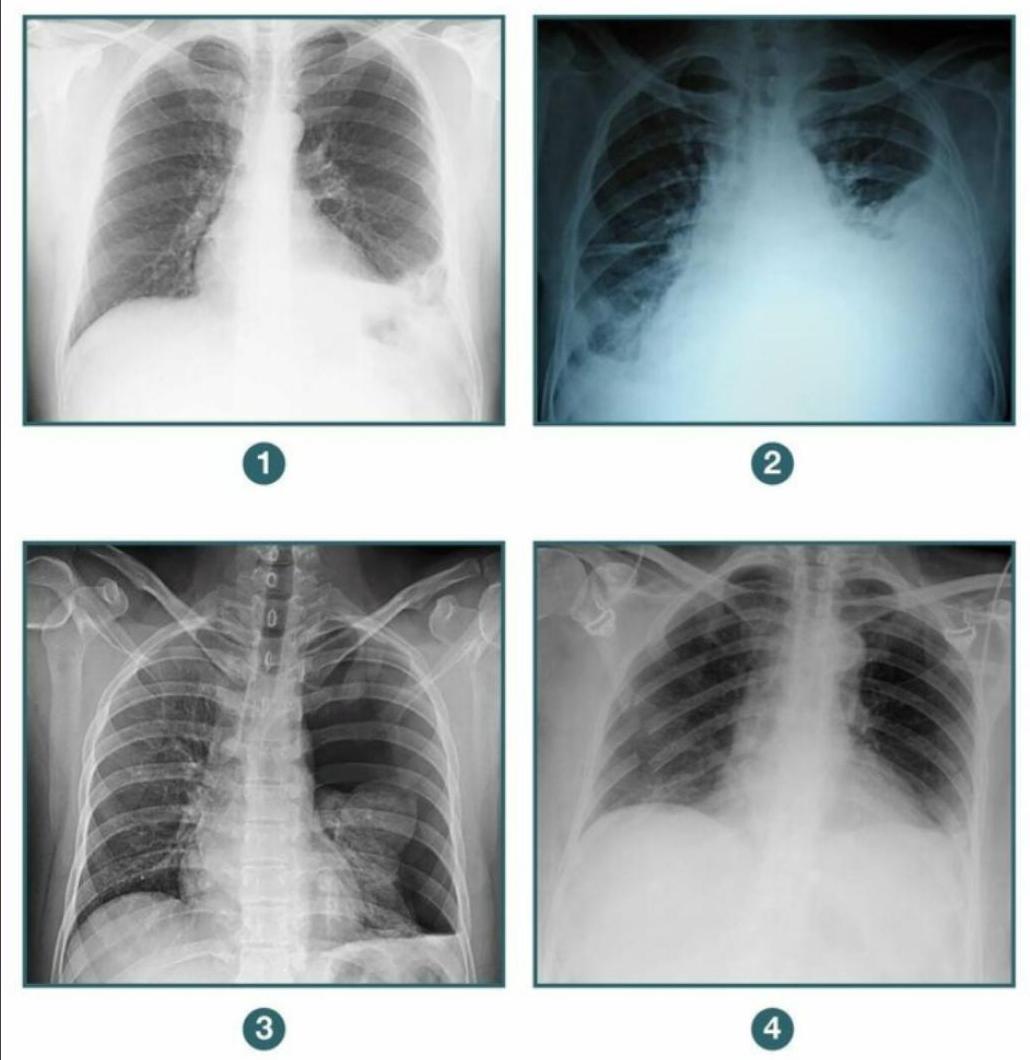
A patient presents to the casualty following blunt trauma to the chest. A chest X-ray was done. Among the following radiographs, in which case would you further evaluate the patient before putting a chest tube? 1. Diaphragmatic hernia 2. Hemothorax 3. Pneumothorax 4. Flail chest
A patient presents with pneumothorax on chest x-ray. Which of the following is NOT a boundary of the triangle of safety for intercostal chest drain (ICD) insertion?
Practice by Chapter
Initial Assessment of Trauma Patient
Practice Questions
Advanced Trauma Life Support (ATLS) Principles
Practice Questions
Chest Trauma
Practice Questions
Abdominal Trauma
Practice Questions
Head Trauma
Practice Questions
Spinal Trauma
Practice Questions
Extremity Trauma
Practice Questions
Vascular Trauma
Practice Questions
Genitourinary Trauma
Practice Questions
Burns Management
Practice Questions
Mass Casualty Management
Practice Questions
Damage Control Surgery
Practice Questions
Want unlimited practice?
Get full access to all questions, explanations, and performance tracking.
Scan to download app