Anatomy
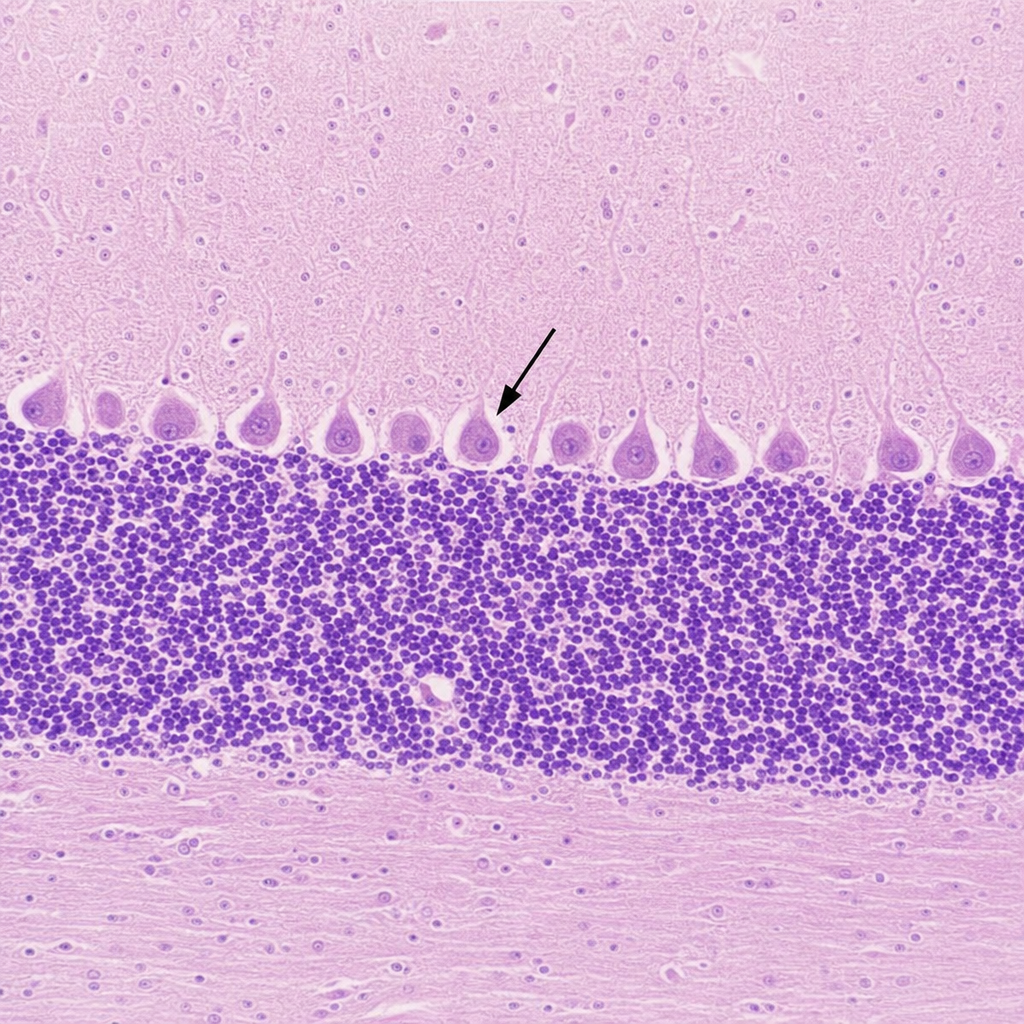
2 questionsHistological section is given below. Identify the marked cell. 
Histological section is given below. Identify the marked cell.
Biochemistry
2 questionsWhich of the following amino acids primarily acts as a buffer in blood due to its ability to accept and donate protons at physiological pH?
During starvation, which of the following hormones is primarily produced to maintain blood glucose levels?
Internal Medicine
2 questionsA hypertensive patient’s lab results reveal hypernatremia, hypokalemia, and metabolic alkalosis. What is the most probable diagnosis?
A patient presents with a history of vomiting. Arterial blood gas analysis reveals the following: - pH: 7.5 - pCO₂: 48 mm Hg - HCO₃⁻: 30 mEq/L What is the most likely acid-base abnormality?
Pathology
1 questionsWhat is the primary mechanism behind tissue damage in long-standing diabetes?
Pediatrics
1 questionsWhile evaluating a 3-year-old with short stature, height is measured at 90cm and the lower segment is 45 cm. What is the likely diagnosis?
Pharmacology
2 questionsA 35-year-old male presents to the emergency department with complaints of blurred vision, dizziness, and severe headache after ingesting an unknown quantity of homemade alcohol earlier in the day. On examination, he is disoriented. Laboratory tests reveal severe metabolic acidosis with a high anion gap. Which metabolite is primarily responsible for the toxicity in this case?
In paracetamol poisoning, N-acetylcysteine is administered as an antidote. How does it act to prevent toxicity?