
Central Nervous System Pharmacology — MCQs

On this page
Which of the following is not a side effect of phenytoin?
Which of the following conditions makes the nerve membrane more susceptible to the action of local anesthetics?
Spina bifida is a known complication associated with the use of which medication?
A teenager presents with persistent and severe headaches. The physician diagnoses migraine and prescribes sumatriptan. By which of the following mechanisms does sumatriptan act?
Which of the following drugs is NOT used in the management of Alzheimer's disease?
Which Serotonin-Norepinephrine Reuptake Inhibitor (SNRI) is used to treat pain associated with diabetic neuropathy?
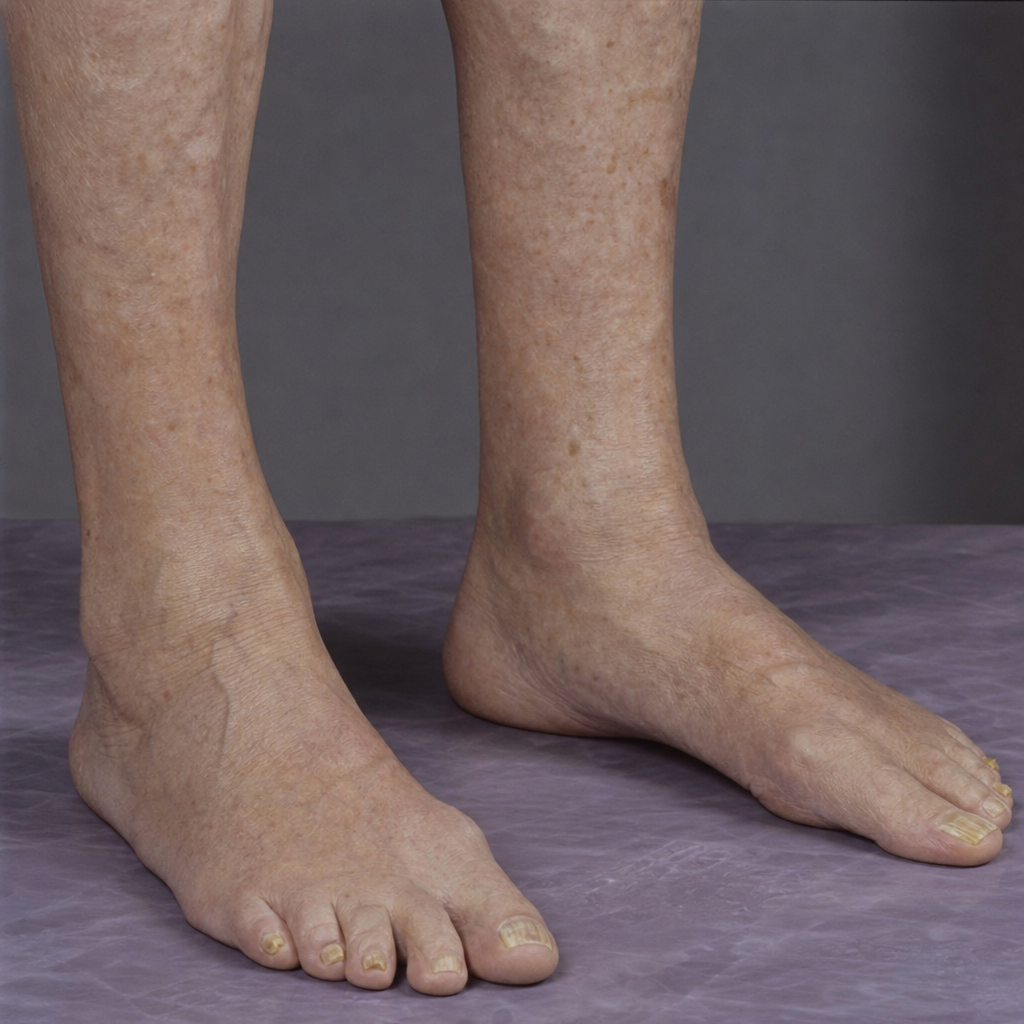
Which of the following anti-Parkinson drugs can lead to the adverse effect described?
A patient with a history of hepatitis one month ago should preferably be given which local anesthetic agent?
Which of the following drugs can be used as a transcranial patch for the treatment of parkinsonism?
A 10-year-old boy presents with difficulty in learning at school. He experiences short lapses of awareness with eyelid fluttering every 5–10 minutes. EEG studies reveal brief 3 Hz spike and wave discharges appearing synchronously in all leads. Which of the following drugs would be effective but has the disadvantage that it causes sedation and tolerance?
Practice by Chapter
General Anesthetics
Practice Questions
Local Anesthetics
Practice Questions
Sedative-Hypnotics
Practice Questions
Antiepileptic Drugs
Practice Questions
Antiparkinsonian Drugs
Practice Questions
Opioid Analgesics
Practice Questions
Drugs of Abuse and Addiction
Practice Questions
Psychostimulants
Practice Questions
Hallucinogens
Practice Questions
CNS Stimulants and Cognitive Enhancers
Practice Questions
Want unlimited practice?
Get full access to all questions, explanations, and performance tracking.
Scan to download app