
Neonatology — MCQs

On this page
A 32-year-old woman, gravida 4, para 3, at 39 weeks gestation presents to the labor and delivery ward with painful contractions. Her prenatal course was unremarkable. Examination shows that her cervix is 5 cm dilated, 100% effaced, and the fetal heart rate is in the 130s and reactive. She is given meperidine for pain control. She progresses rapidly and less than 2 hours later delivers a 3.345 kg male fetus. The one-minute APGAR score is 1, and the infant is making little respiratory effort. Which of the following is the most appropriate next step in management?
What is the best feeding procedure for a 32-week preterm infant weighing 1400 gm with stable vitals admitted to the NICU?
What is the most common manifestation of congenital toxoplasmosis?
Which of the following is NOT a component of Kangaroo Mother Care?
A diabetic female at 40 weeks of gestation delivered a baby by elective cesarean section. Soon after birth, the baby developed respiratory distress. What is the most likely diagnosis?
All of the following decrease the risk of necrotizing enterocolitis (NEC) except?
Maternal rubella infection during pregnancy can cause all of the following in the newborn EXCEPT:
In neonatal cholestasis, what is the threshold for elevated direct bilirubin?
A term neonate presents with mild respiratory distress soon after birth. Chest X-ray shows typical findings. How is this condition managed?
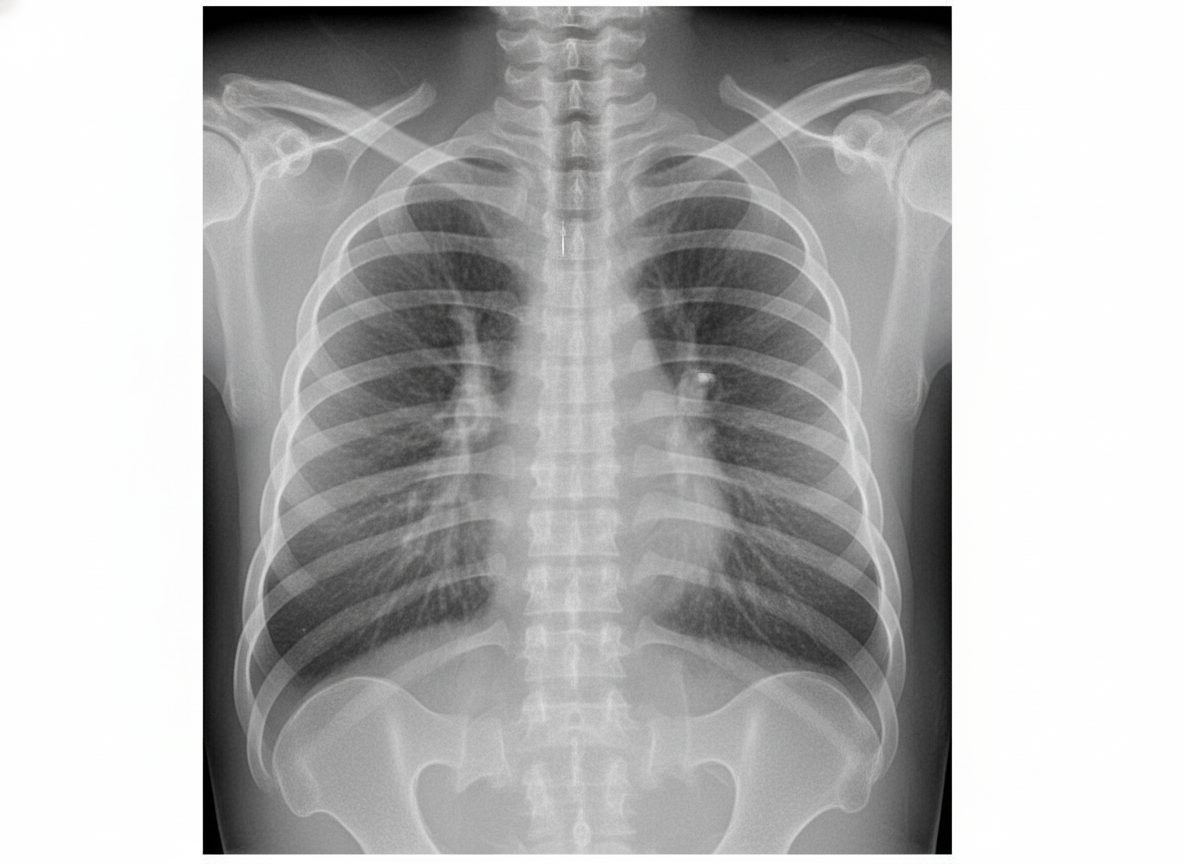
What is a common injury to a neonate during birth?
Practice by Chapter
Neonatal Resuscitation
Practice Questions
Care of the Normal Newborn
Practice Questions
Prematurity and Low Birth Weight
Practice Questions
Respiratory Distress Syndrome
Practice Questions
Neonatal Jaundice
Practice Questions
Neonatal Sepsis
Practice Questions
Necrotizing Enterocolitis
Practice Questions
Intraventricular Hemorrhage
Practice Questions
Persistent Pulmonary Hypertension
Practice Questions
Perinatal Asphyxia
Practice Questions
Neonatal Seizures
Practice Questions
Congenital Anomalies
Practice Questions
Want unlimited practice?
Get full access to all questions, explanations, and performance tracking.
Scan to download app