
Infective Endocarditis — MCQs

What is the optimal timing for administering antibiotic prophylaxis before surgery?
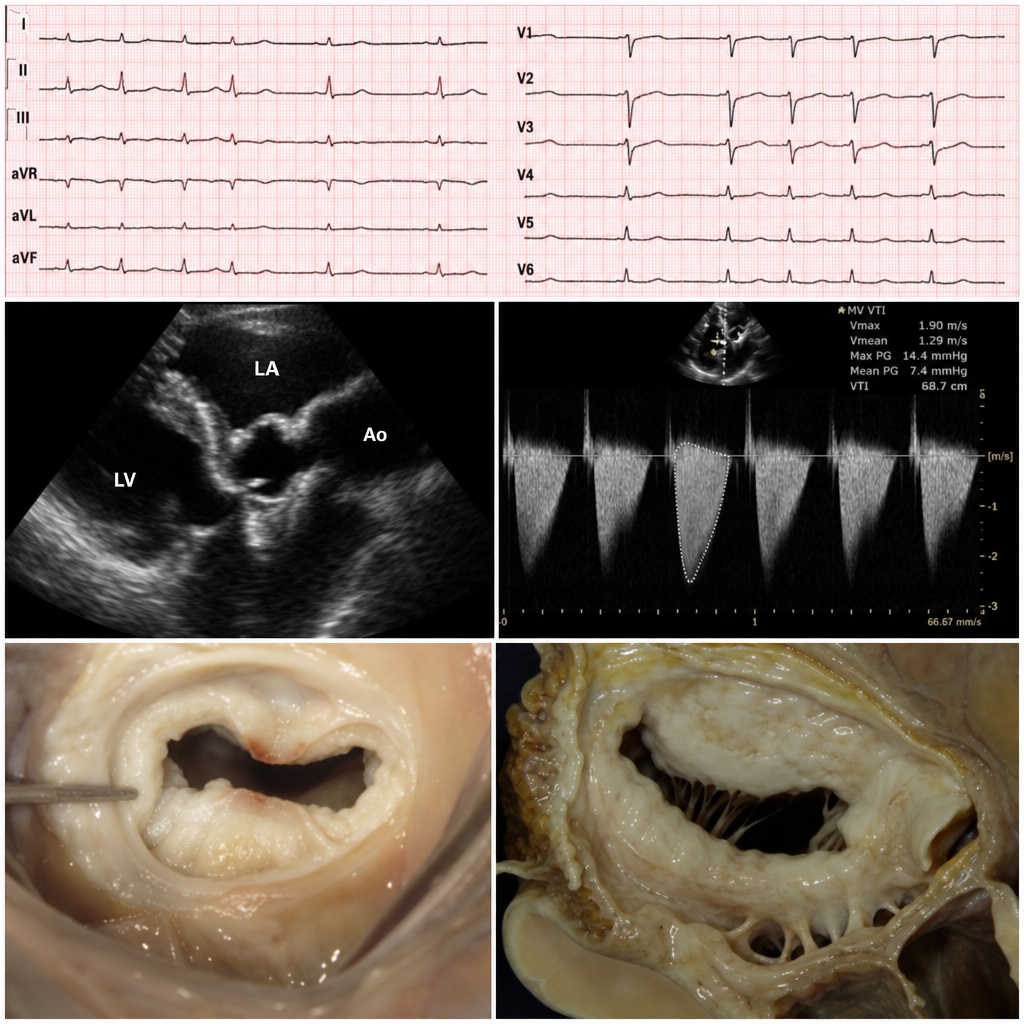
A 28-year-old female presents with progressive dyspnea on exertion and palpitations for the past 6 months. She has a history of recurrent sore throat episodes during childhood. On examination, she has an irregularly irregular pulse, and auscultation reveals a mid-diastolic rumbling murmur at the apex with presystolic accentuation. ECG shows atrial fibrillation with controlled ventricular rate and left atrial enlargement. Echocardiogram demonstrates mitral valve stenosis with commissural fusion, leaflet thickening, and a mitral valve area of 1.2 cm². What is the most likely diagnosis?
A child presented at 10 weeks with recurrent episode of pneumonia and failure to thrive. X-ray shows cardiomegaly & pulmonary plethora. What is the diagnosis?
A 32-year-old woman is supposed to undergo tooth extraction surgery. Physical examination is unremarkable, and she has a blood pressure of 126/84 mm Hg and regular pulse of 72/min. She takes no medications. Which of the following cardiac conditions would warrant antibiotic prophylaxis to prevent infective endocarditis in this patient?
Which of the following is a minor criterion for the diagnosis of acute rheumatic fever?
A 6-year-old with congenital heart disease presents with fever, new-onset murmur, and petechiae. Blood cultures are pending, but initial Gram stain shows Gram-positive cocci. What is the most appropriate initial intervention?
A 7 year old child with a known history of rheumatic heart disease presents with a 3 weeks history of fever with palpitations. Most likely cause is:
True about a 1-year-old child with PDA is –
Infective endocarditis is not seen in –
A 32 year old man presents with history of recurrent jaundice over the previous decade. Family gives history of the patient having episodes of facial grimacing. Which one of the following is a clinical clue to the diagnosis?
Want unlimited practice?
Get full access to all questions, explanations, and performance tracking.
Scan to download app