
Neuro-Ophthalmology — MCQs

On this page
A child presents with sudden loss of vision with painful ocular movements. The eye is white and there are no obvious signs on ophthalmoscopy. What is the most likely diagnosis?
According to the Optic Neuritis Treatment Trial (ONTT), which treatment modality was associated with the highest rate of recurrence?
What is the first sign of optic nerve disease?
A patient presents with diplopia, headache, and blurring of vision. On examination, while attempting to gaze to the right, the right eye abducts but the left eye fails to adduct. The patient's rightward gaze is normal, and convergence is also normal. Where is the lesion most likely located?
Which of the following is NOT a feature of Horner's syndrome?
Which of the following conditions can result in bitemporal hemianopia?
Gun barrel vision is seen in which of the following conditions?
Which one of the following patterns of visual disturbance would be demonstrable on examination of this patient?
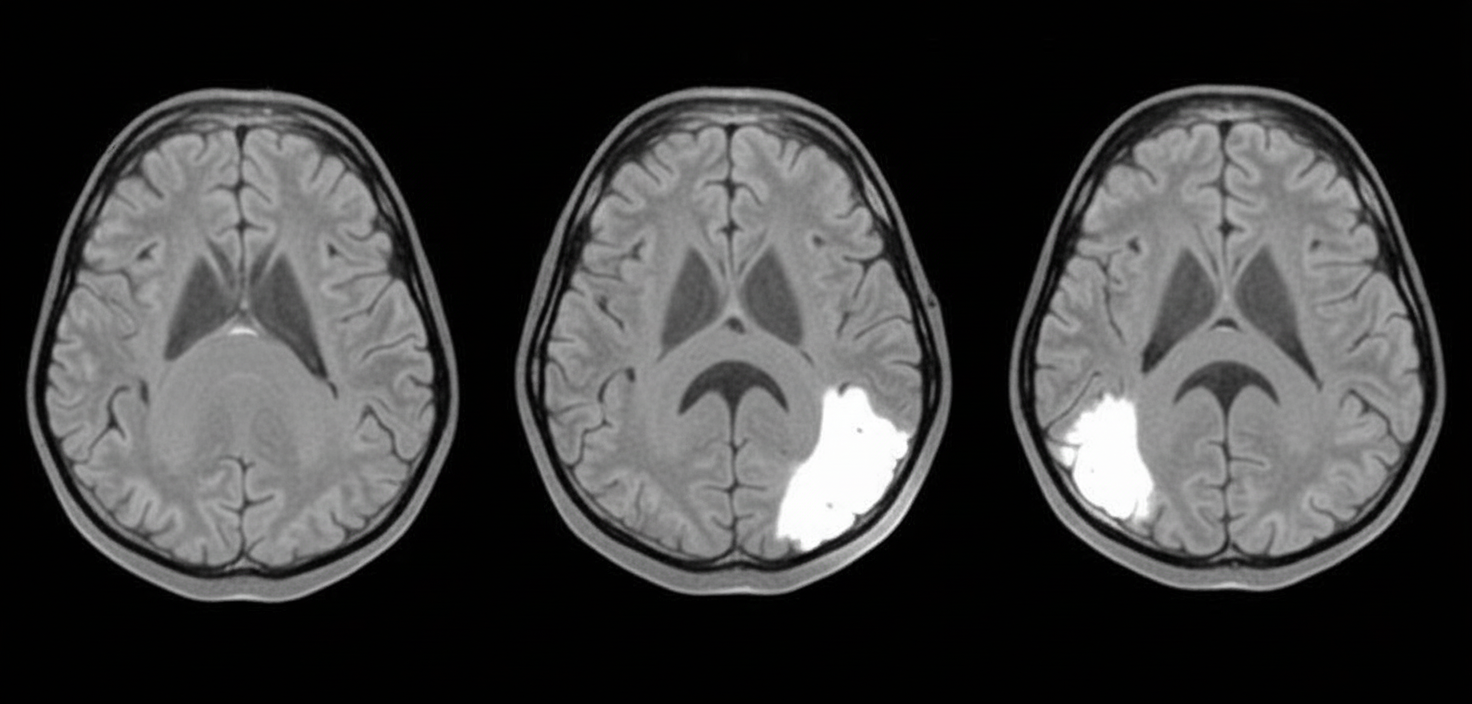
Papilloedema is characterised by all of the following, EXCEPT:
Which of the following is NOT a feature of chronic progressive external ophthalmoplegia?
Practice by Chapter
Anatomy of Visual Pathways
Practice Questions
Pupillary Disorders
Practice Questions
Optic Neuritis
Practice Questions
Ischemic Optic Neuropathies
Practice Questions
Other Optic Neuropathies
Practice Questions
Papilledema
Practice Questions
Cranial Nerve Palsies
Practice Questions
Nystagmus
Practice Questions
Visual Field Defects
Practice Questions
Neuro-ophthalmic Manifestations of Intracranial Lesions
Practice Questions
Functional Visual Disorders
Practice Questions
Migraine and the Eye
Practice Questions
Want unlimited practice?
Get full access to all questions, explanations, and performance tracking.
Scan to download app