
Labor and Delivery — MCQs

On this page
Given the following partogram data, identify the most likely diagnosis: Cervical dilation curve shows a prolonged labor with the cervical dilation falling to the right of the alert line.
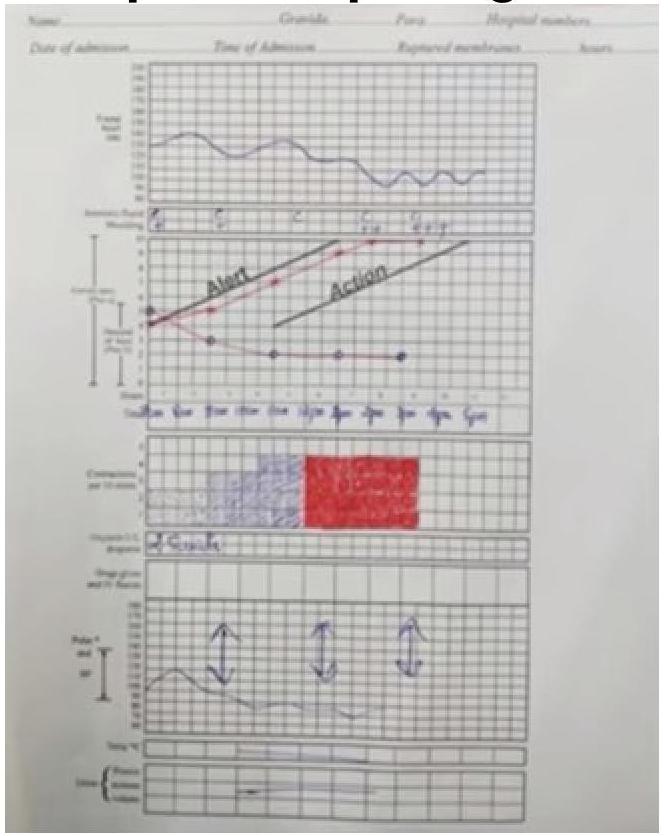
A 41-week pregnant female, confirmed by radiological investigation and very sure of her last menstrual period, presents with no uterine contractions, no effacement, and no dilatation. Which of the following should not be administered?
What is the presenting diameter of a fully flexed head?
Which of these steps is followed first for the management of shoulder dystocia after McRoberts maneuver?
Which of the following describes the points marked in the diagram of pelvic measurements?
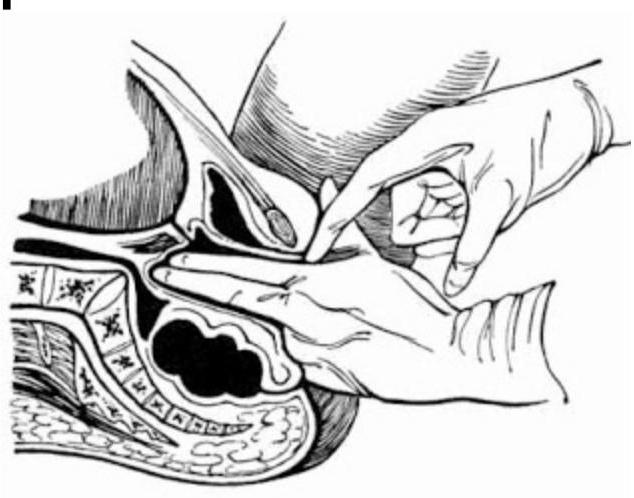
When the fetus is at station +2 and the fetal skull reaches the pelvic floor, which of the following statements is MOST clinically relevant?
Which of the following methods is not used for managing shoulder dystocia?
Following delivery, a tear involving the perineum and external anal sphincter with intact mucosa is classified as which grade?
Contracted pelvis is defined as a condition where the dimensions of the pelvis are reduced, making childbirth difficult. What is the minimum shortening of one or more planes that is considered significant?
What does the term 'crowning' refer to in the context of childbirth?
Practice by Chapter
Physiology of Labor
Practice Questions
Stages of Labor and Normal Progression
Practice Questions
Fetal Monitoring Techniques
Practice Questions
Pain Management in Labor
Practice Questions
Induction and Augmentation of Labor
Practice Questions
Operative Delivery (Forceps and Vacuum)
Practice Questions
Cesarean Section: Indications and Techniques
Practice Questions
Dystocia and Abnormal Labor Patterns
Practice Questions
Obstetric Emergencies
Practice Questions
Postpartum Hemorrhage Management
Practice Questions
Want unlimited practice?
Get full access to all questions, explanations, and performance tracking.
Scan to download app