
Virology — MCQs

On this page
A neonate presents with vesicular lesions on the scalp, face, and mouth. A Tzanck smear from the base of a vesicle shows multinucleated giant cells. Which virus is the most likely cause?
Which viral genome characteristic is typically found in the Hepatitis B virus, distinguishing it from other hepatitis viruses?
Which of the following is the most common cause of viral meningitis in children?
A 7-year-old boy presents with a barking cough and stridor. What is the most likely causative agent?
How does the influenza virus achieve genetic variation that leads to antigenic shift?
What is the significance of detecting 'owl's eye' inclusion bodies in cells from an immunocompromised patient?
Which of the following mechanisms allows HIV to evade the immune system despite the presence of specific antibodies?
What is the primary mechanism by which the influenza virus changes antigenically over time?
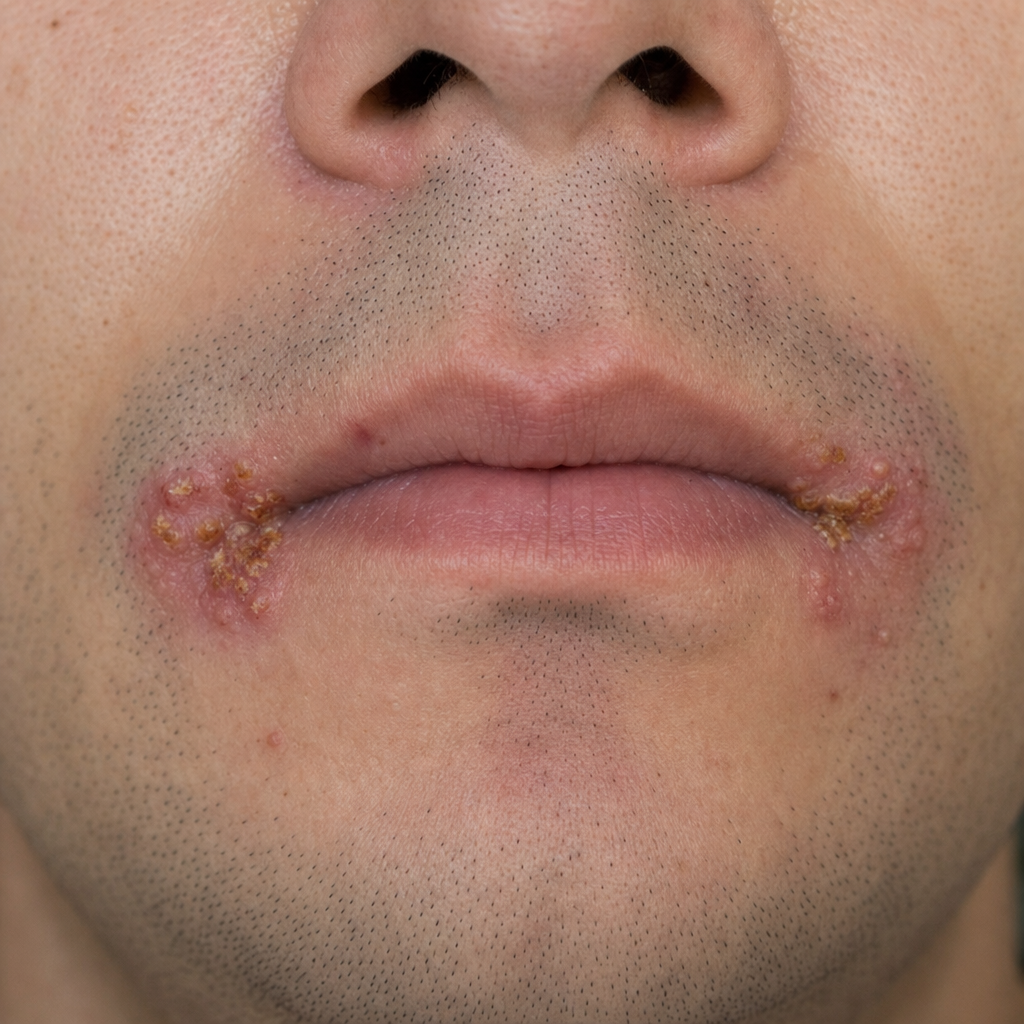
A patient presents with painful blisters around the angle of the mouth. What is the most likely pathogen responsible for this condition?
Which disease is caused by Coxsackievirus A16?
Practice by Chapter
Virus Structure and Classification
Practice Questions
Viral Replication
Practice Questions
Pathogenesis of Viral Infections
Practice Questions
DNA Viruses: Herpesviruses
Practice Questions
DNA Viruses: Poxviruses and Adenoviruses
Practice Questions
Hepatitis Viruses
Practice Questions
RNA Viruses: Orthomyxoviruses
Practice Questions
RNA Viruses: Paramyxoviruses
Practice Questions
Enteroviruses and Rhinoviruses
Practice Questions
Arboviruses
Practice Questions
HIV and Retroviruses
Practice Questions
Oncogenic Viruses
Practice Questions
Want unlimited practice?
Get full access to all questions, explanations, and performance tracking.
Scan to download app