
Neurology — MCQs

On this page
What is the diagnosis of this patient?
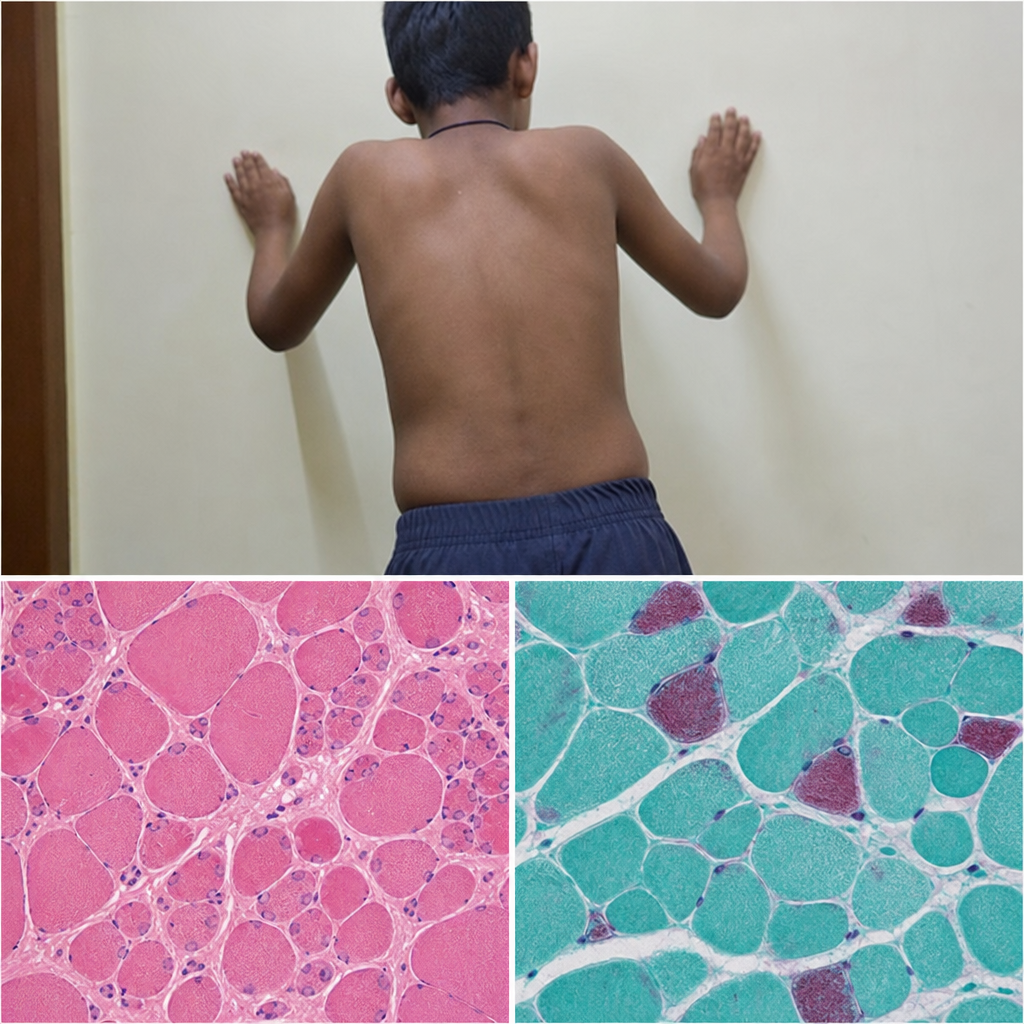
Which of the following is NOT true regarding Frontotemporal Dementia (FTD)?
A 23-year-old man complains of intermittent double vision and fatigue. The symptoms are worse at the end of the day, and he has stopped working as a courier because of easy leg fatigue and weakness. He finds that the symptoms improve with rest. On physical examination, there is weakness of the eyelids, masticatory muscles, and thigh flexors. Having him look up at the ceiling for a long time brings on his double vision. There is no sensory abnormality, and reflexes are normal. Which of the following treatments is contraindicated in this patient?
In herpes encephalitis, all of the following are true, except?
A 16-year-old male presents with complaints of seeing wave-like visual disturbances and sudden monocular blindness, occurring while watching movies. What is the most likely diagnosis?
All of the following are true about Juvenile Myoclonic Epilepsy, except:
A patient presents with unilateral painful ophthalmoplegia. Imaging revealed an enlargement of the cavernous sinus on the affected side. What is the likely diagnosis?
The conus medullaris syndrome differs from the cauda equina syndrome in that the former shows which of the following?
A 50-year-old right-handed female presented with right-sided hemiparesis, sensory loss, and right homonymous hemianopia. Neurological examination revealed dysarthria, global aphasia, alexia, agraphia, acalculia, and apraxia. Which artery is most likely involved in this condition?
What is the characteristic EEG pattern observed in?
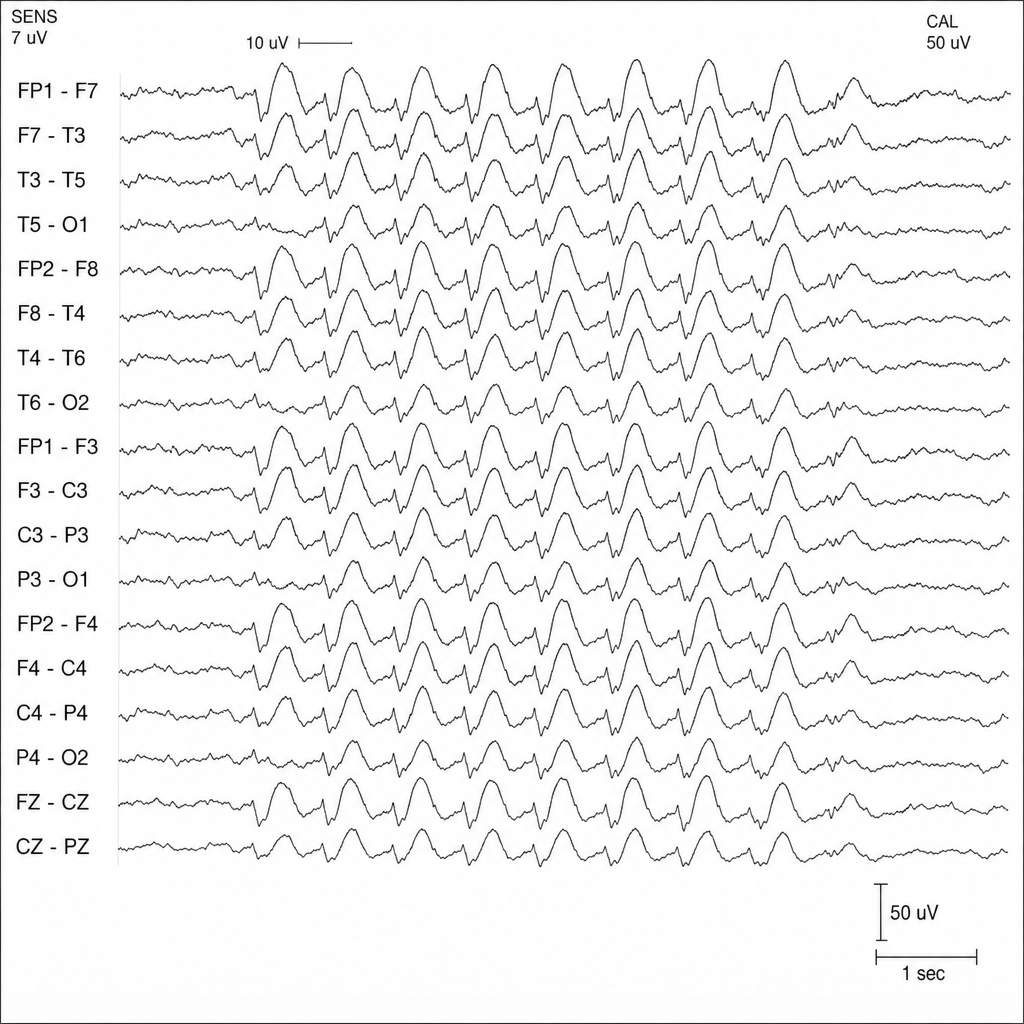
Practice by Chapter
Cerebrovascular Diseases
Practice Questions
Seizure Disorders and Epilepsy
Practice Questions
Headache Disorders
Practice Questions
Movement Disorders
Practice Questions
Demyelinating Diseases
Practice Questions
Neurodegenerative Disorders
Practice Questions
Neuromuscular Junction Disorders
Practice Questions
Peripheral Neuropathies
Practice Questions
CNS Infections
Practice Questions
Neuro-oncology
Practice Questions
Dementia and Cognitive Disorders
Practice Questions
Neurological Emergencies
Practice Questions
Want unlimited practice?
Get full access to all questions, explanations, and performance tracking.
Scan to download app