
Pharmacotherapy for Allergic Rhinitis — MCQs

What is an atypical side effect of montelukast?
All of the following statements are TRUE about second generation antihistaminic agents EXCEPT:
A 30-year-old woman with a history of allergic rhinitis presents with bilateral watery nasal discharge and itchy eyes. What is the most appropriate first-line treatment?
How do antihistamines help in allergic rhinitis?
What is the most likely finding in the CT image of the left maxillary sinus in a patient with a history of allergic rhinitis?
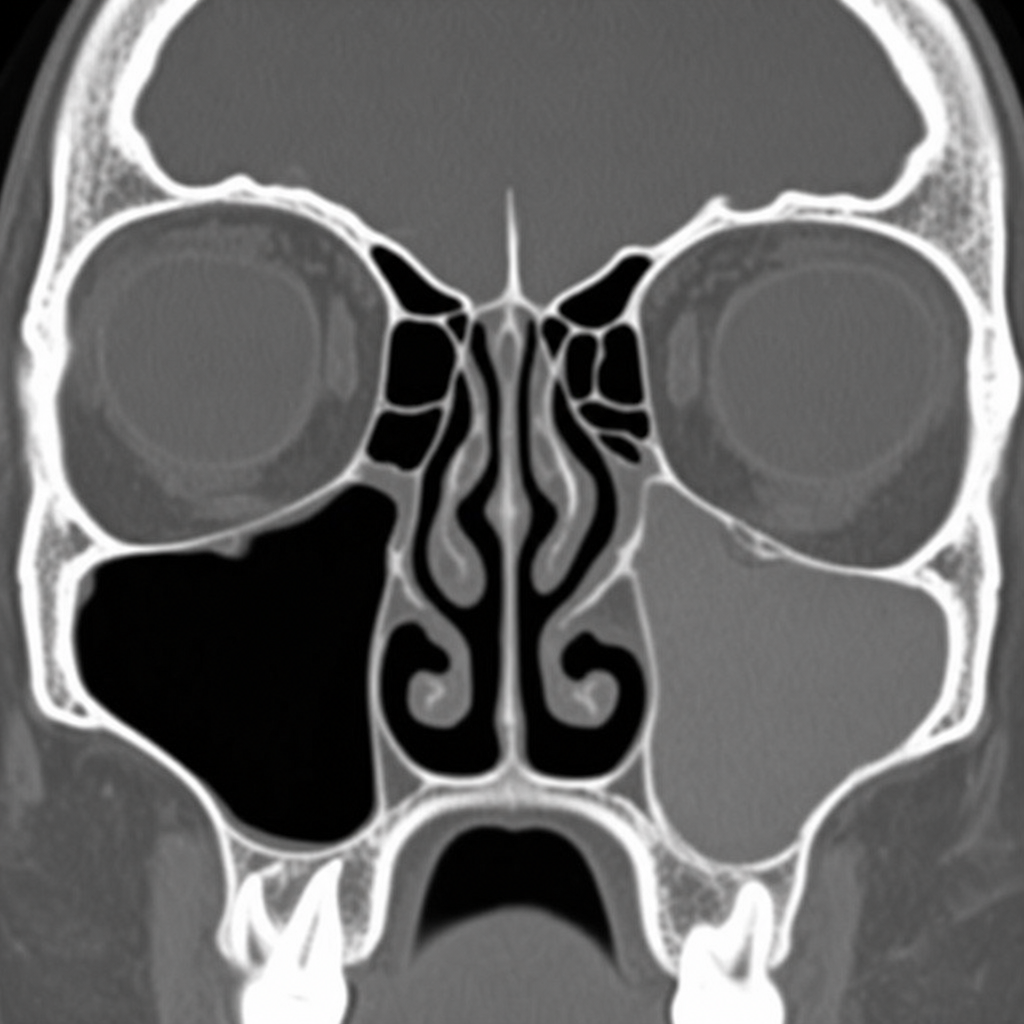
Assertion: Nasal polyps are commonly associated with aspirin-exacerbated respiratory disease (AERD). Reason: Aspirin directly causes nasal polyp formation in all patients with AERD.
In which condition is Young's operation performed?
Which of the following are early mediators of allergic rhinitis?
A 29-year-old non-smoker man presents with sneezing, post-nasal drip, eye watering, and itching of his posterior pharynx. These symptoms tend to be worse in the spring and summer and have been bothering him for about 1 month. His past medical history is remarkable only for mild asthma induced by being outdoors. He takes no regular medications but does take diphenhydramine on occasion. What is the most appropriate diagnostic test at this time?
Which of the following is NOT a second-generation antihistamine used in allergic rhinitis?
Want unlimited practice?
Get full access to all questions, explanations, and performance tracking.
Scan to download app