
Autoimmune Skin Diseases — MCQs

On this page
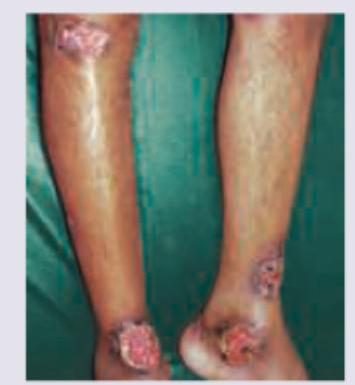
A 45-year-old Ulcerative colitis patient presents with multiple painful lesions on both legs. What is the diagnosis?
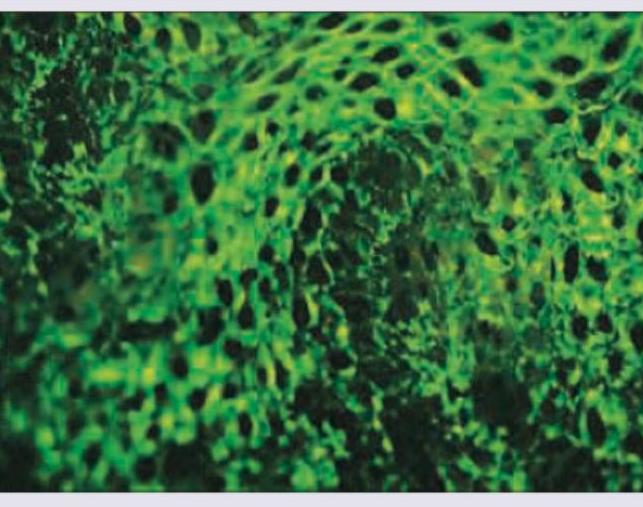
A 25-year-old lady presents with painful blisters in oral mucosa and skin. Direct immune-fluorescence picture is given below. Which of the following is incorrect about the condition shown?
A 42 year old man presented with recurrent oral ulcers since one year, episodes of redness of eye and genital ulcers. Which one of the following tests is of diagnostic value?
Which one of the following is NOT true of Pyoderma gangrenosum?
A 32-year-old woman presents with recurrent genital ulcers. She was previously diagnosed with genital herpes based on clinical appearance, but current PCR testing for HSV is negative. She also reports occasional painful mouth sores. Serological tests for syphilis are negative. What is the most likely diagnosis?
A patient presents with skin lesions and erosions on the buccal mucosa. The immunofluorescence image is shown. What is the most likely diagnosis?
Identify the diagnosis based on the dermatology immunofluorescence (IF) image provided.
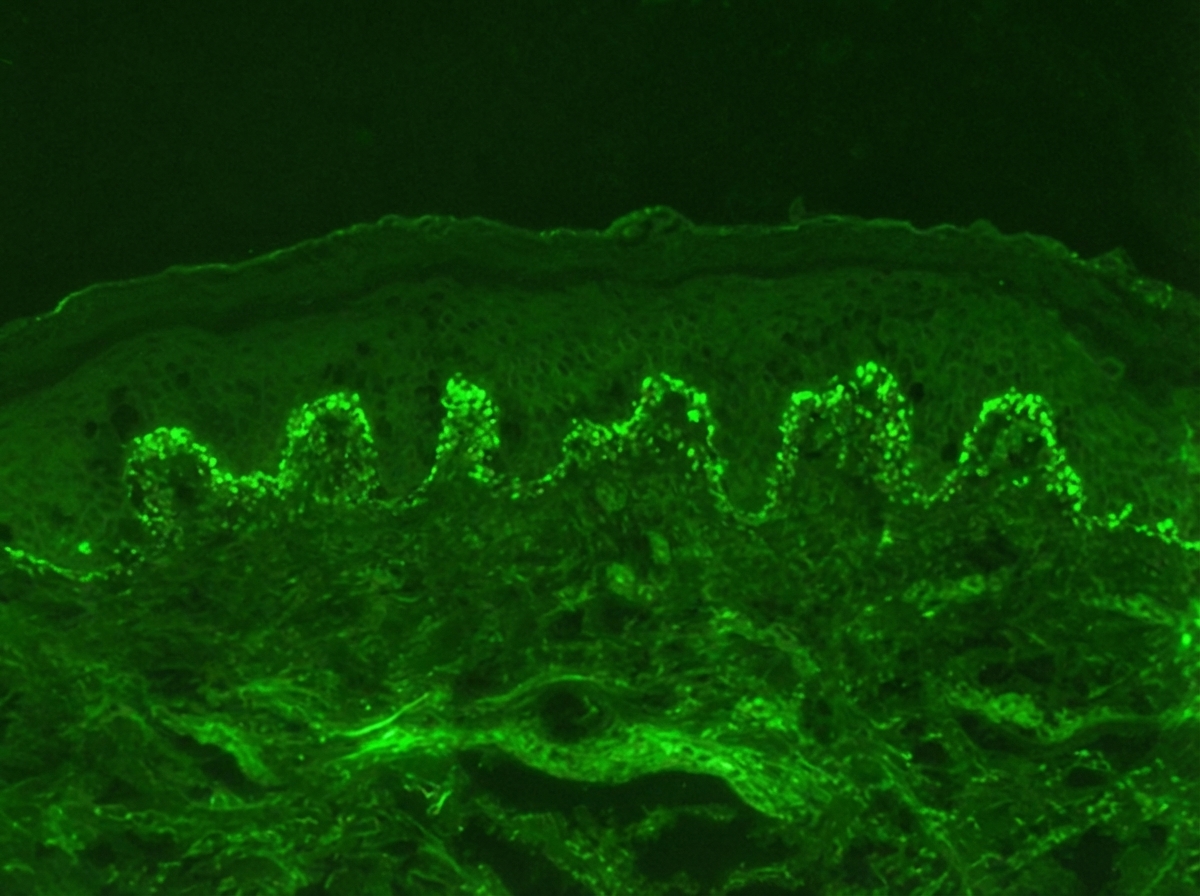
A 30-year-old woman presents with flaccid bullae on her skin that are easy to rupture. A biopsy of the lesion reveals a suprabasal split. What is the most likely diagnosis?
Statement 1 - A 59-year-old patient presents with flaccid bullae. Histopathology shows a suprabasal acantholytic split. Statement 2 - The row of tombstones appearance is diagnostic of Pemphigus vulgaris.
A 25-year-old woman presents with multiple tense bullae on her arms and legs that developed over the past week. She reports taking amoxicillin for a sore throat 2 weeks ago. Skin biopsy shows subepidermal bulla formation with linear IgA deposits along the basement membrane. Which of the following is the most appropriate treatment?
Practice by Chapter
Lupus Erythematosus: Cutaneous Forms
Practice Questions
Lupus Erythematosus: Systemic with Skin Manifestations
Practice Questions
Dermatomyositis
Practice Questions
Scleroderma and Morphea
Practice Questions
Mixed Connective Tissue Disease
Practice Questions
Sjögren's Syndrome: Cutaneous Manifestations
Practice Questions
Relapsing Polychondritis
Practice Questions
Autoimmune Thyroid Disease and the Skin
Practice Questions
Immunobullous Disorders
Practice Questions
Vasculitis
Practice Questions
Diagnostic Methods in Autoimmune Dermatoses
Practice Questions
Management of Autoimmune Skin Diseases
Practice Questions
Want unlimited practice?
Get full access to all questions, explanations, and performance tracking.
Scan to download app