
Acid-Base and Electrolyte Balance — MCQs

On this page
Which buffer system has the highest pKa?
A 27-year-old woman presents to the emergency room with a panic attack. She appears healthy except for tachycardia and a respiratory rate of 30. Electrolytes include calcium 10.0 mg/dL, albumin 4.0 g/dL, phosphorus 0.8 mg/dL, and magnesium 1.5 mEq/L. Arterial blood gases include pH of 7.56, PCO2 21 mm Hg, and PO2 99 mm Hg. Which of the following is the most likely cause of the hypophosphatemia?
Which of the following causes hyperchloremic metabolic acidosis?
What is the osmolality of plasma if serum sodium is 135 mEq/L, serum glucose is 120 mg/dL, and BUN is 24 mg/dL?
Which of the following conditions are associated with hypophosphatemia?
Which of the following causes normal anion gap metabolic acidosis?
Which of the following conditions is NOT associated with an increased anion-gap metabolic acidosis?
Which of the following buffer systems is most effective for maintaining a physiological pH of 7.4?
All are causes of increased anion gap except?
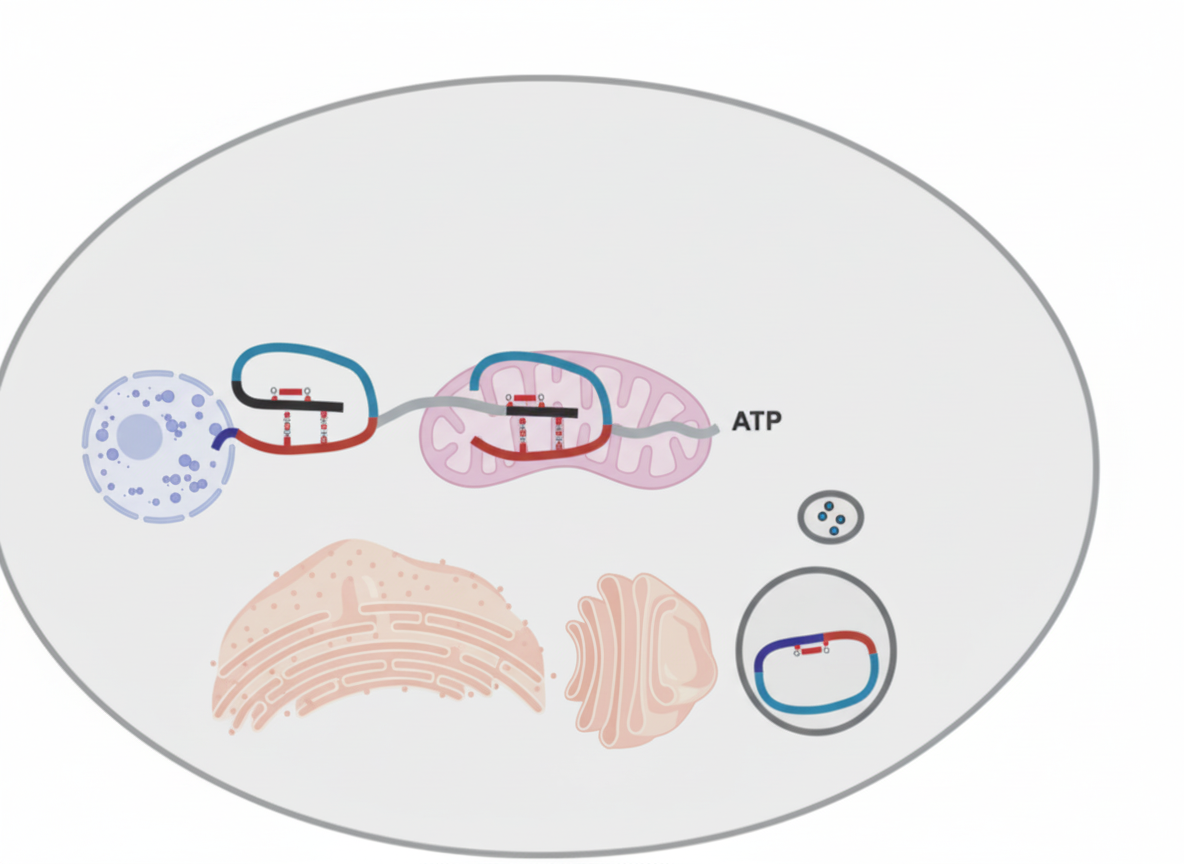
Which of the following is a precursor of the molecule shown in the illustration?
Practice by Chapter
Acid-Base Chemistry and Buffers
Practice Questions
pH Regulation in Body Fluids
Practice Questions
Respiratory Regulation of Acid-Base Balance
Practice Questions
Renal Regulation of Acid-Base Balance
Practice Questions
Respiratory and Metabolic Acidosis
Practice Questions
Respiratory and Metabolic Alkalosis
Practice Questions
Mixed Acid-Base Disorders
Practice Questions
Interpretation of Arterial Blood Gases
Practice Questions
Electrolyte Homeostasis
Practice Questions
Sodium and Water Balance
Practice Questions
Potassium Balance
Practice Questions
Calcium and Phosphate Metabolism
Practice Questions
Want unlimited practice?
Get full access to all questions, explanations, and performance tracking.
Scan to download app