
Chromosomal Disorders — Flashcards

_____ is a 22q11 deletion syndrome that presents with thymic aplasia, parathyroid aplasia and cardiac defects.
The findings in Patau Syndrome may be remembered with the 5'Ps- cleft Palate - holoP_____- Polydactyly- aPlasia cutis- Polycystic Kidney disease
Which genomic test would be helpful in evaluating suspected DiGeorge Syndrome?_____
Triangular facies, microcephaly and 5th finger clinodactyly is indicative of _____ syndrome.*ABCDEF?
WAGR syndrome is a combination of: 1. _____ 2. Aniridia (absence of iris) 3. Genital abnormalities 4. mental or motor Retardation
_____ syndrome is caused by a congenital microdeletion of chromosome 7q (long arm)
In a small fraction (normal cytogenetic studies targeted evaluation of DiGeorge locus genes, such as _____, may be indicated
What is the most common cause of genetic mental retardation?
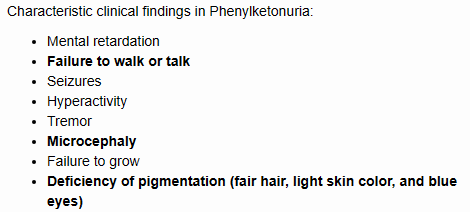
Characteristic clinical findings in Phenylketonuria: No answer _____
The abnormality of _____ syndrome is arterio-hepatic dysplasia
Chromosomal Disorders Flashcards for USMLE
Study 10 flashcards on Chromosomal Disorders for USMLE Psychiatry. These active recall cards cover the key concepts, clinical associations, and high-yield facts from this chapter of Genetic and Metabolic Disorders. Each card is designed to test your understanding rather than just recognition, building stronger and more durable memories for exam day.
For personalised spaced repetition scheduling and unlimited flashcards, download the Oncourse app.
Frequently Asked Questions
Are Chromosomal Disorders flashcards free?
How many flashcards does this chapter have?
How should I use these flashcards for USMLE?
Are there more flashcards for Genetic and Metabolic Disorders?
Want unlimited flashcards?
Get full access to all flashcards, spaced repetition, and progress tracking.
Start For Free