According to modified Bell staging, presence of signs of generalized peritonitis and definitive ascitis is classified as stage _____
#2
_____ shunt connects Descending aorta to pulmonary artery
#3
The ideal time for an isolated cleft lip sx is _____ months
#4
In the paediatric age group, thoracotomy location remains at _____ ICS midclavicular line
#5
Dandy-Walker syndrome is managed by shunting the cystic cavity (if _____ is present).
#6
_____ is a procedure by which the airway is secured before the infant is separated from the placenta
#7
In TGA, the first step is to create a _____ followed by an atrial septostomy to improve oxygenation
Hint: shunt
#8
Type _____ of trachoesophageal fistula consists of proximal and distal fistula
#9
What is the classification of the following type of jejunoileal atresia?
_____
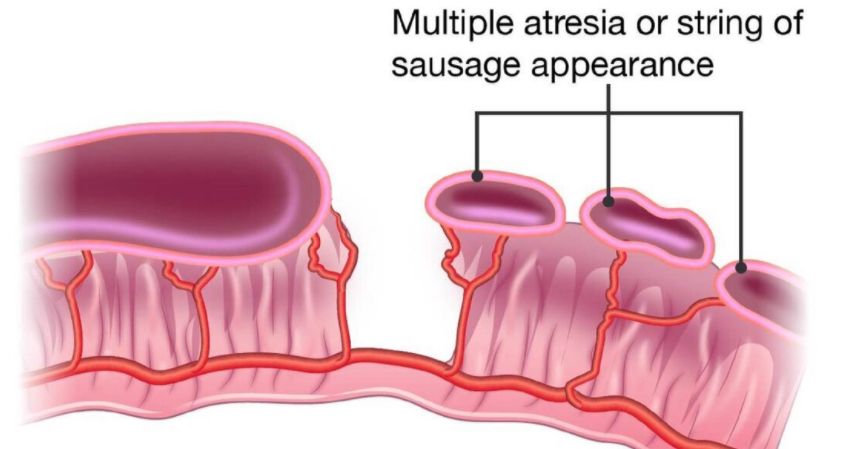
#10
What is the classification of the following type of jejunoileal atresia?
_____
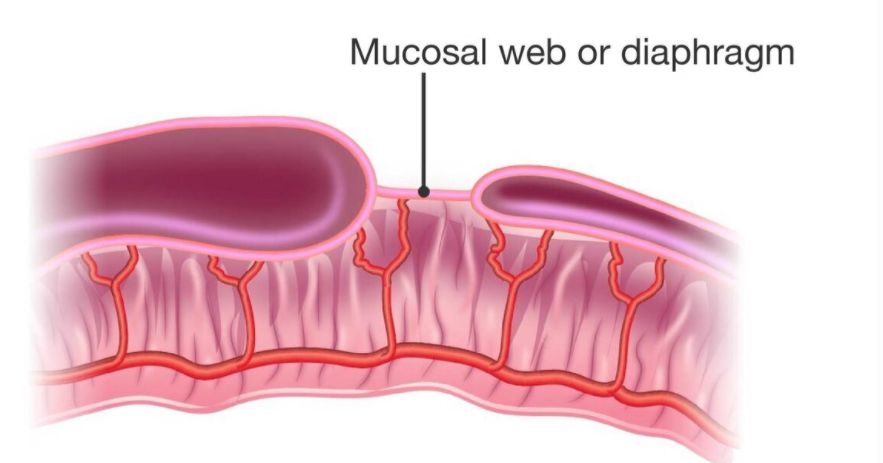
Pediatric Trauma Indian Medical PG Flashcards - Medical Study Cards
Master Pediatric Trauma with OnCourse flashcards. These spaced repetition flashcards are designed for medical students preparing for NEET PG, USMLE Step 1, USMLE Step 2, MBBS exams, and other medical licensing examinations.
Pediatric Trauma Flashcard Deck - 10 Cards
Flashcard 1: According to modified Bell staging, presence of signs of generalized peritonitis and definitive ascitis is classified as stage _____
Answer: IIIA
Flashcard 2: _____ shunt connects Descending aorta to pulmonary artery
Answer: Pott's
Flashcard 3: The ideal time for an isolated cleft lip sx is _____ months
Answer: 3-6
Flashcard 4: In the paediatric age group, thoracotomy location remains at _____ ICS midclavicular line
Answer: 2nd
Flashcard 5: Dandy-Walker syndrome is managed by shunting the cystic cavity (if _____ is present).
Answer: hydrocephalus
Flashcard 6: _____ is a procedure by which the airway is secured before the infant is separated from the placenta
Answer: Ex utero intrapartum treatment procedure (EXIT)
Flashcard 7: In TGA, the first step is to create a _____ followed by an atrial septostomy to improve oxygenation
Answer: PDA
Flashcard 8: Type _____ of trachoesophageal fistula consists of proximal and distal fistula
Answer: D
Flashcard 9: What is the classification of the following type of jejunoileal atresia?
_____
Answer: Type IV
Flashcard 10: What is the classification of the following type of jejunoileal atresia?
_____
Answer: Type I
Keywords: Pediatric Trauma flashcards, medical flashcards, NEET PG preparation, USMLE Step 1 flashcards, Anki alternative, spaced repetition medical, OnCourse flashcards
Pediatric Trauma Flashcards for NEET-PG
Study 10 flashcards on Pediatric Trauma for NEET-PG Surgery. These active recall cards cover the key concepts, clinical associations, and high-yield facts from this chapter of Pediatric Surgery. Each card is designed to test your understanding rather than just recognition, building stronger and more durable memories for exam day.
For personalised spaced repetition scheduling and unlimited flashcards, download the Oncourse app.
Frequently Asked Questions
Are Pediatric Trauma flashcards free?
Yes, all flashcards on this page are completely free. You can study all 10 cards at no cost. For spaced repetition scheduling, download the Oncourse app.
How many flashcards does this chapter have?
There are 10 flashcards for Pediatric Trauma, covering the key concepts, clinical correlations, and high-yield facts from this chapter of Pediatric Surgery.
How should I use these flashcards for NEET-PG?
Read through each prompt and try to answer before revealing the back of the card. This active recall approach builds stronger memories than passive reading. Combine flashcards with the study notes and MCQ practice for the best results.
Are there more flashcards for Pediatric Surgery?
Yes. This page covers one chapter of Pediatric Surgery. Visit the topic page to see all chapters and their flashcards under Surgery.
Want unlimited flashcards?
Get full access to all flashcards, spaced repetition, and progress tracking.
