The commonest complication of Caldwell Luc operation is _____
#2
In subtype 3 of modified radical neck dissection, what structures are preserved?_____
#3
In subtype 2 of modified radical neck dissection, what structures are preserved?_____
#4
_____ system of tooth charting:
#5
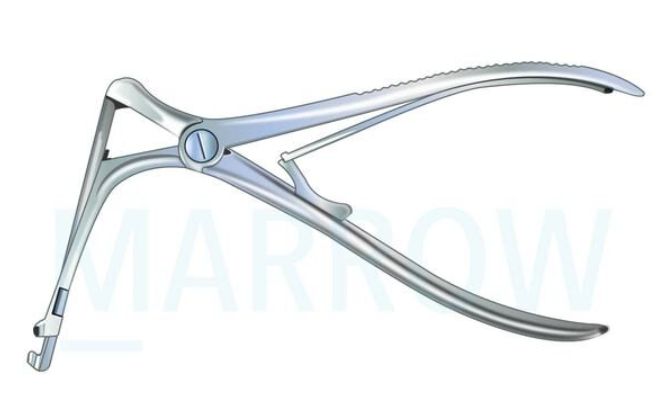
Name the following forceps: _____
#6
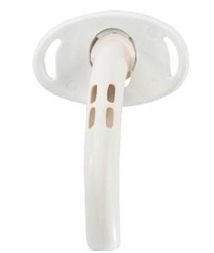
Fenestrations in the tracheostomy tube are important for _____
#7
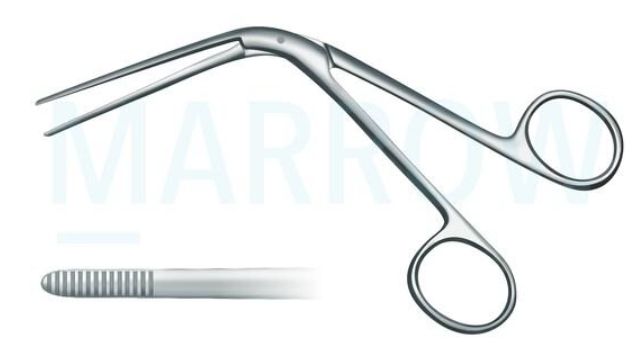
Name the following forceps: _____
#8
_____ system of tooth charting: (with plus and minus sign)

#9
The _____ and jugulodigastric nodes are the most commonly involved in maxillary sinus carcinoma.
#10
_____ is an invasive procedure where tiny electrodes are implanted in the brain and are connected via a subcutaneous wire to a neurostimulator (maximum two), which is placed under the skin of the clavicle.
Neck Dissection Techniques Indian Medical PG Flashcards - Medical Study Cards
Master Neck Dissection Techniques with OnCourse flashcards. These spaced repetition flashcards are designed for medical students preparing for NEET PG, USMLE Step 1, USMLE Step 2, MBBS exams, and other medical licensing examinations.
Flashcard 1: The commonest complication of Caldwell Luc operation is _____
Answer: infra orbital nerve injury
Flashcard 2: In subtype 3 of modified radical neck dissection, what structures are preserved?_____
Answer: SAN, SCM and IJV
Flashcard 3: In subtype 2 of modified radical neck dissection, what structures are preserved?_____
Answer: SAN and IJV
Flashcard 4: _____ system of tooth charting:
Answer: Universal
Flashcard 5: Name the following forceps: _____
Answer: Citelli's forceps
Flashcard 6: Fenestrations in the tracheostomy tube are important for _____
Answer: phonation
Flashcard 7: Name the following forceps: _____
Answer: Tilley's forceps
Flashcard 8: _____ system of tooth charting: (with plus and minus sign)
Answer: Haderup
Flashcard 9: The _____ and jugulodigastric nodes are the most commonly involved in maxillary sinus carcinoma.
Answer: submandibular
Flashcard 10: _____ is an invasive procedure where tiny electrodes are implanted in the brain and are connected via a subcutaneous wire to a neurostimulator (maximum two), which is placed under the skin of the clavicle.
Study 10 flashcards on Neck Dissection Techniques for NEET-PG Surgery. These active recall cards cover the key concepts, clinical associations, and high-yield facts from this chapter of Head and Neck Surgery. Each card is designed to test your understanding rather than just recognition, building stronger and more durable memories for exam day.
For personalised spaced repetition scheduling and unlimited flashcards, download the Oncourse app.
Frequently Asked Questions
Are Neck Dissection Techniques flashcards free?
Yes, all flashcards on this page are completely free. You can study all 10 cards at no cost. For spaced repetition scheduling, download the Oncourse app.
How many flashcards does this chapter have?
There are 10 flashcards for Neck Dissection Techniques, covering the key concepts, clinical correlations, and high-yield facts from this chapter of Head and Neck Surgery.
How should I use these flashcards for NEET-PG?
Read through each prompt and try to answer before revealing the back of the card. This active recall approach builds stronger memories than passive reading. Combine flashcards with the study notes and MCQ practice for the best results.
Are there more flashcards for Head and Neck Surgery?
Yes. This page covers one chapter of Head and Neck Surgery. Visit the topic page to see all chapters and their flashcards under Surgery.
Want unlimited flashcards?
Get full access to all flashcards, spaced repetition, and progress tracking.