In FAST, Longitudinal view of the left upper quadrant: assess for _____ injuries and left kidney injury
#2
What is the investigation of choice for a retroperitoneal injury?_____
#3
In FAST, Longitudinal view of the right upper quadrant: assess for _____ injuries, right kidney injury, and Morison pouch
#4
_____ sign on the x-ray is suggestive of acute epiglottitis.
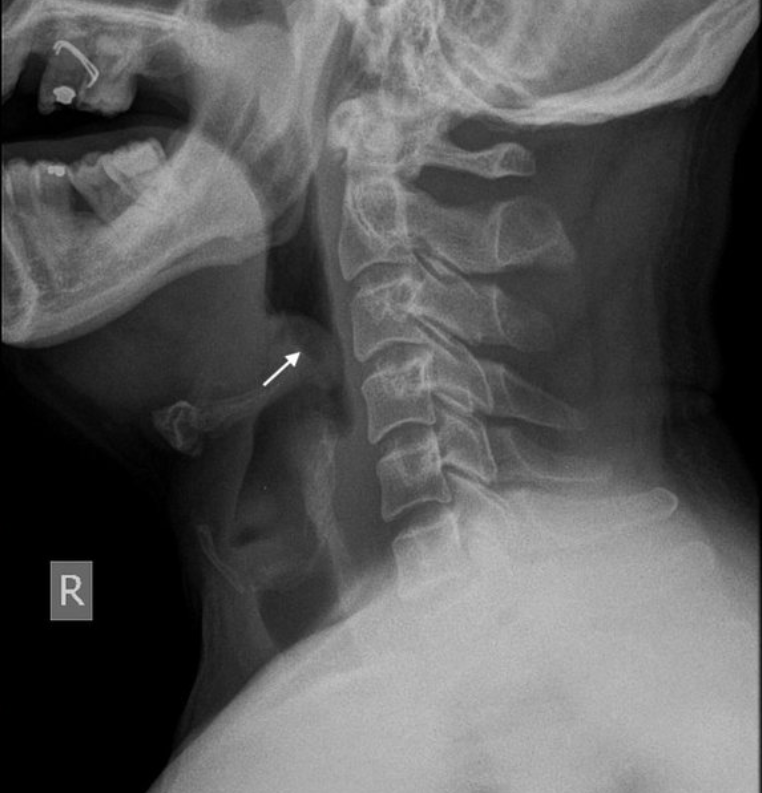
#5
extended FAST incorporates _____ and right thoracic views to assess for pneumothorax and haemothorax.
#6
Loss of Psoas outline is one of the signs of _____ rupture on plain X-ray
#7
What is the method of choice for staging a patient with hemodynamically stable renal trauma presenting at the emergency room?_____
#8
What is the best modality to identify cocaine packets in a body packer?_____
Trauma Imaging Protocols Indian Medical PG Flashcards - Medical Study Cards
Master Trauma Imaging Protocols with OnCourse flashcards. These spaced repetition flashcards are designed for medical students preparing for NEET PG, USMLE Step 1, USMLE Step 2, MBBS exams, and other medical licensing examinations.
Trauma Imaging Protocols Flashcard Deck - 8 Cards
Flashcard 1: In FAST, Longitudinal view of the left upper quadrant: assess for _____ injuries and left kidney injury
Answer: splenic
Flashcard 2: What is the investigation of choice for a retroperitoneal injury?_____
Answer: CT scan
Flashcard 3: In FAST, Longitudinal view of the right upper quadrant: assess for _____ injuries, right kidney injury, and Morison pouch
Answer: right liver
Flashcard 4: _____ sign on the x-ray is suggestive of acute epiglottitis.
Answer: Thumb
Flashcard 5: extended FAST incorporates _____ and right thoracic views to assess for pneumothorax and haemothorax.
Answer: Left
Flashcard 6: Loss of Psoas outline is one of the signs of _____ rupture on plain X-ray
Answer: splenic
Flashcard 7: What is the method of choice for staging a patient with hemodynamically stable renal trauma presenting at the emergency room?_____
Answer: CECT
Flashcard 8: What is the best modality to identify cocaine packets in a body packer?_____
Study 8 flashcards on Trauma Imaging Protocols for NEET-PG Radiology. These active recall cards cover the key concepts, clinical associations, and high-yield facts from this chapter of Emergency Radiology. Each card is designed to test your understanding rather than just recognition, building stronger and more durable memories for exam day.
For personalised spaced repetition scheduling and unlimited flashcards, download the Oncourse app.
Frequently Asked Questions
Are Trauma Imaging Protocols flashcards free?
Yes, all flashcards on this page are completely free. You can study all 8 cards at no cost. For spaced repetition scheduling, download the Oncourse app.
How many flashcards does this chapter have?
There are 8 flashcards for Trauma Imaging Protocols, covering the key concepts, clinical correlations, and high-yield facts from this chapter of Emergency Radiology.
How should I use these flashcards for NEET-PG?
Read through each prompt and try to answer before revealing the back of the card. This active recall approach builds stronger memories than passive reading. Combine flashcards with the study notes and MCQ practice for the best results.
Are there more flashcards for Emergency Radiology?
Yes. This page covers one chapter of Emergency Radiology. Visit the topic page to see all chapters and their flashcards under Radiology.
Want unlimited flashcards?
Get full access to all flashcards, spaced repetition, and progress tracking.
