Generativity vs Stagnation is the major psychosocial conflict seen in stage _____ of psychosocial development
#2
The _____ part of the brain is characterised by illogical and primitive thoughts called primary process thinking
#3
What mental apparatus establishes and maintains a moral conscience in an individual?_____
#4
Psychosocial theory of development was given by _____
#5
What mental apparatus is a reservoir for basic survival instincts, aggression, and survival drives?_____
#6
Sigmund Freud's structural theory of mind divides mental apparatus into what three components?_____
#7
_____ - a hypothetical family in which children receive conflicting parental messages about their behaviour, attitudes, and feelings.
#8
Psychodynamic theory of development was given by _____
#9
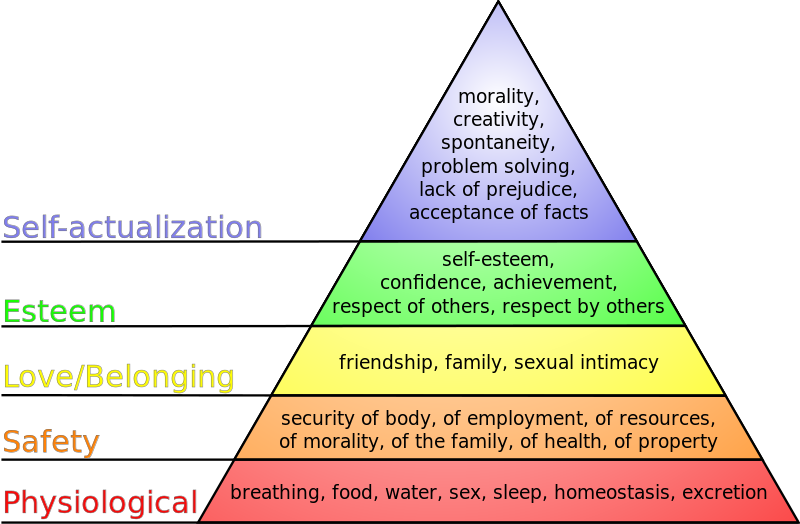
The hierarchy of needs was described by _____.
#10
lifetime prevalence of psychiatric disorder in india is _____%
Public Mental Health Indian Medical PG Flashcards - Medical Study Cards
Master Public Mental Health with OnCourse flashcards. These spaced repetition flashcards are designed for medical students preparing for NEET PG, USMLE Step 1, USMLE Step 2, MBBS exams, and other medical licensing examinations.
Public Mental Health Flashcard Deck - 10 Cards
Flashcard 1: Generativity vs Stagnation is the major psychosocial conflict seen in stage _____ of psychosocial development
Answer: 7
Flashcard 2: The _____ part of the brain is characterised by illogical and primitive thoughts called primary process thinking
Answer: unconscious
Flashcard 3: What mental apparatus establishes and maintains a moral conscience in an individual?_____
Answer: Superego (idealism principle)
Flashcard 4: Psychosocial theory of development was given by _____
Answer: Erik Erikson
Flashcard 5: What mental apparatus is a reservoir for basic survival instincts, aggression, and survival drives?_____
Answer: Id (new-born)
Flashcard 6: Sigmund Freud's structural theory of mind divides mental apparatus into what three components?_____
Answer: Id, Ego and Superego
Flashcard 7: _____ - a hypothetical family in which children receive conflicting parental messages about their behaviour, attitudes, and feelings.
Answer: Double bind
Flashcard 8: Psychodynamic theory of development was given by _____
Answer: Sigmund Freud
Flashcard 9: The hierarchy of needs was described by _____.
Answer: Abraham Maslow
Flashcard 10: lifetime prevalence of psychiatric disorder in india is _____%
Answer: 13.7
Extra:
Keywords: Public Mental Health flashcards, medical flashcards, NEET PG preparation, USMLE Step 1 flashcards, Anki alternative, spaced repetition medical, OnCourse flashcards
Public Mental Health Flashcards for NEET-PG
Study 10 flashcards on Public Mental Health for NEET-PG Psychiatry. These active recall cards cover the key concepts, clinical associations, and high-yield facts from this chapter of Introduction to Psychiatry. Each card is designed to test your understanding rather than just recognition, building stronger and more durable memories for exam day.
For personalised spaced repetition scheduling and unlimited flashcards, download the Oncourse app.
Frequently Asked Questions
Are Public Mental Health flashcards free?
Yes, all flashcards on this page are completely free. You can study all 10 cards at no cost. For spaced repetition scheduling, download the Oncourse app.
How many flashcards does this chapter have?
There are 10 flashcards for Public Mental Health, covering the key concepts, clinical correlations, and high-yield facts from this chapter of Introduction to Psychiatry.
How should I use these flashcards for NEET-PG?
Read through each prompt and try to answer before revealing the back of the card. This active recall approach builds stronger memories than passive reading. Combine flashcards with the study notes and MCQ practice for the best results.
Are there more flashcards for Introduction to Psychiatry?
Yes. This page covers one chapter of Introduction to Psychiatry. Visit the topic page to see all chapters and their flashcards under Psychiatry.
Want unlimited flashcards?
Get full access to all flashcards, spaced repetition, and progress tracking.
