During exercise, the arteriovenous O2 difference will _____
#2
Enlargement of skeletal muscles in athletes is an example of physiological _____.
#3
The mean systemic filling pressure _____ tremendously at the onset of heavy exercise.
#4
Signals from _____ play a role in stimulating the respiratory drive during exercise.
#5
Exercise resulting in heart rate increase is _____ an example of feedforward control mechanism.
#6
The exercise-induced hyperventilation during vigorous exercise is produced due to the receptors present in _____.
#7
Mc Ardle index is _____ rate
#8
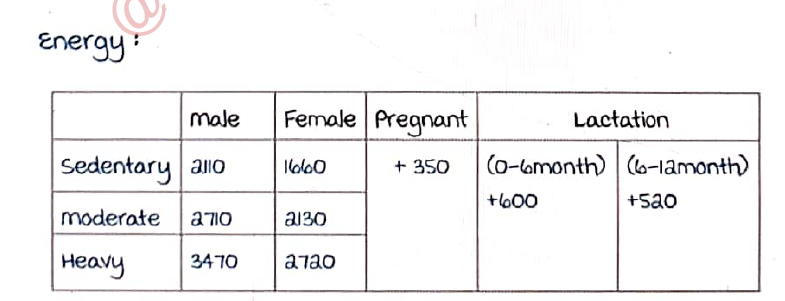
f19bbc4344d44f18b5dc20ff1137c063-ao-
#9
There is a sharp _____ in the diastolic blood pressure in isometric exercise.
#10
_____ circulation initially decreases but later increases during exercise
Cardiovascular Responses to Exercise Indian Medical PG Flashcards - Medical Study Cards
Master Cardiovascular Responses to Exercise with OnCourse flashcards. These spaced repetition flashcards are designed for medical students preparing for NEET PG, USMLE Step 1, USMLE Step 2, MBBS exams, and other medical licensing examinations.
Cardiovascular Responses to Exercise Flashcard Deck - 10 Cards
Flashcard 1: During exercise, the arteriovenous O2 difference will _____
Answer: increase
Flashcard 2: Enlargement of skeletal muscles in athletes is an example of physiological _____.
Answer: hypertrophy (hyperplasia/hypertrophy)
Flashcard 3: The mean systemic filling pressure _____ tremendously at the onset of heavy exercise.
Answer: rises
Flashcard 4: Signals from _____ play a role in stimulating the respiratory drive during exercise.
Answer: joint proprioceptors
Flashcard 5: Exercise resulting in heart rate increase is _____ an example of feedforward control mechanism.
Answer: not
Flashcard 6: The exercise-induced hyperventilation during vigorous exercise is produced due to the receptors present in _____.
Answer: carotid bodies
Flashcard 7: Mc Ardle index is _____ rate
Answer: sweat
Extra:
Flashcard 8: f19bbc4344d44f18b5dc20ff1137c063-ao-
Answer: kcal energy requirements per day
Extra:
Flashcard 9: There is a sharp _____ in the diastolic blood pressure in isometric exercise.
Answer: rise
Flashcard 10: _____ circulation initially decreases but later increases during exercise
Answer: Cutaneous
Keywords: Cardiovascular Responses to Exercise flashcards, medical flashcards, NEET PG preparation, USMLE Step 1 flashcards, Anki alternative, spaced repetition medical, OnCourse flashcards
Cardiovascular Responses to Exercise Flashcards for NEET-PG
Study 10 flashcards on Cardiovascular Responses to Exercise for NEET-PG Physiology. These active recall cards cover the key concepts, clinical associations, and high-yield facts from this chapter of Exercise Physiology. Each card is designed to test your understanding rather than just recognition, building stronger and more durable memories for exam day.
For personalised spaced repetition scheduling and unlimited flashcards, download the Oncourse app.
Frequently Asked Questions
Are Cardiovascular Responses to Exercise flashcards free?
Yes, all flashcards on this page are completely free. You can study all 10 cards at no cost. For spaced repetition scheduling, download the Oncourse app.
How many flashcards does this chapter have?
There are 10 flashcards for Cardiovascular Responses to Exercise, covering the key concepts, clinical correlations, and high-yield facts from this chapter of Exercise Physiology.
How should I use these flashcards for NEET-PG?
Read through each prompt and try to answer before revealing the back of the card. This active recall approach builds stronger memories than passive reading. Combine flashcards with the study notes and MCQ practice for the best results.
Are there more flashcards for Exercise Physiology?
Yes. This page covers one chapter of Exercise Physiology. Visit the topic page to see all chapters and their flashcards under Physiology.
Want unlimited flashcards?
Get full access to all flashcards, spaced repetition, and progress tracking.