Binding of ADP to the P2Y1 receptor in primary hemostasis causes _____ change by upregulating intracellular Ca2+, promoting effective platelet plug formation
#2
When a blood vessel is injured, _____ binds exposed subendothelial collagen
#3
The _____ granules of platelets contain vWF, fibrinogen, and fibronectin
#4
The clotting pathway is kicked off in the body by _____.
#5
Factor X of the coagulation cascade may be activated by factor _____ with factor VIII as a cofactor (intrinsic pathway)
#6
In order to adhere to the damaged endothelium, platelets bind _____ using the GPIb receptor
#7
Which blood type does not have any group antigens on RBC surfaces?
_____
#8
What unique antibodies in plasma do patients with the A blood type have?
_____
Hint: name and isotype
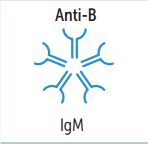
#9
What is the formula for calculating Blood volume from Plasma volume and hematocrit?
_____
#10
Patients with the B blood type cannot receive which blood types?
_____
Platelets and Hemostasis Indian Medical PG Flashcards - Medical Study Cards
Master Platelets and Hemostasis with OnCourse flashcards. These spaced repetition flashcards are designed for medical students preparing for NEET PG, USMLE Step 1, USMLE Step 2, MBBS exams, and other medical licensing examinations.
Platelets and Hemostasis Flashcard Deck - 10 Cards
Flashcard 1: Binding of ADP to the P2Y1 receptor in primary hemostasis causes _____ change by upregulating intracellular Ca2+, promoting effective platelet plug formation
Answer: shape
Flashcard 2: When a blood vessel is injured, _____ binds exposed subendothelial collagen
Answer: von Willebrand factor (vWF)
Flashcard 3: The _____ granules of platelets contain vWF, fibrinogen, and fibronectin
Answer: Alpha
Flashcard 4: The clotting pathway is kicked off in the body by _____.
Answer: tissue factor
Flashcard 5: Factor X of the coagulation cascade may be activated by factor _____ with factor VIII as a cofactor (intrinsic pathway)
Answer: IX
Flashcard 6: In order to adhere to the damaged endothelium, platelets bind _____ using the GPIb receptor
Answer: vWF
Flashcard 7: Which blood type does not have any group antigens on RBC surfaces?
_____
Answer:
Flashcard 8: What unique antibodies in plasma do patients with the A blood type have?
_____
Answer:
Flashcard 9: What is the formula for calculating Blood volume from Plasma volume and hematocrit?
_____
Answer:
Flashcard 10: Patients with the B blood type cannot receive which blood types?
_____
Answer:
Keywords: Platelets and Hemostasis flashcards, medical flashcards, NEET PG preparation, USMLE Step 1 flashcards, Anki alternative, spaced repetition medical, OnCourse flashcards
Platelets and Hemostasis Flashcards for NEET-PG
Study 10 flashcards on Platelets and Hemostasis for NEET-PG Physiology. These active recall cards cover the key concepts, clinical associations, and high-yield facts from this chapter of Blood and Immunity. Each card is designed to test your understanding rather than just recognition, building stronger and more durable memories for exam day.
For personalised spaced repetition scheduling and unlimited flashcards, download the Oncourse app.
Frequently Asked Questions
Are Platelets and Hemostasis flashcards free?
Yes, all flashcards on this page are completely free. You can study all 10 cards at no cost. For spaced repetition scheduling, download the Oncourse app.
How many flashcards does this chapter have?
There are 10 flashcards for Platelets and Hemostasis, covering the key concepts, clinical correlations, and high-yield facts from this chapter of Blood and Immunity.
How should I use these flashcards for NEET-PG?
Read through each prompt and try to answer before revealing the back of the card. This active recall approach builds stronger memories than passive reading. Combine flashcards with the study notes and MCQ practice for the best results.
Are there more flashcards for Blood and Immunity?
Yes. This page covers one chapter of Blood and Immunity. Visit the topic page to see all chapters and their flashcards under Physiology.
Want unlimited flashcards?
Get full access to all flashcards, spaced repetition, and progress tracking.
