If the febrile seizures are 3 or more in 6 months, or 4 or more seizures in 1 year, intermittent prophylaxis with oral _____ for 3 days during the fever episode is given
#2
_____ syndrome is characterised by salaam spells (sudden dropping of the head and flexion of arms)
#3
Tripod sign is when a child suffering from _____ is asked to sit up unassisted, the child assumes the tripod posture
#4
The term clumsy child syndrome has been used historically to denote _____ disorder.
#5
_____ are the most common CNS tumour in children younger than 1 year of age.
#6
Which neurocutaneous disorder maybe seen with JMML?_____
#7
_____ syndrome is fulminant liver failure and encephalopathy in children with viral illness who take aspirin
#8
Do antipyretics reduce the risk of recurrent febrile seizures in a child?_____
#9
Children with _____ encephalopathy should receive combined chelation therapy with Dimercaprol and calcium disodium edetate (CaNa2EDTA).
#10
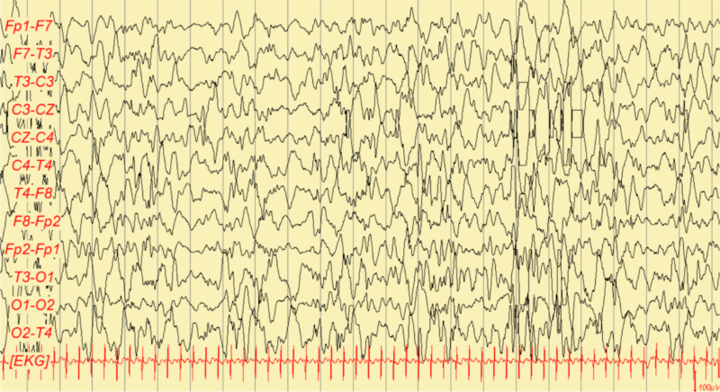
_____ is the typical interictal EEG finding seen in infantile epileptic spasm
Headache Disorders Indian Medical PG Flashcards - Medical Study Cards
Master Headache Disorders with OnCourse flashcards. These spaced repetition flashcards are designed for medical students preparing for NEET PG, USMLE Step 1, USMLE Step 2, MBBS exams, and other medical licensing examinations.
Headache Disorders Flashcard Deck - 10 Cards
Flashcard 1: If the febrile seizures are 3 or more in 6 months, or 4 or more seizures in 1 year, intermittent prophylaxis with oral _____ for 3 days during the fever episode is given
Answer: clobazam
Flashcard 2: _____ syndrome is characterised by salaam spells (sudden dropping of the head and flexion of arms)
Answer: West
Flashcard 3: Tripod sign is when a child suffering from _____ is asked to sit up unassisted, the child assumes the tripod posture
Answer: poliomeylitis
Flashcard 4: The term clumsy child syndrome has been used historically to denote _____ disorder.
Answer: developmental coordination
Flashcard 5: _____ are the most common CNS tumour in children younger than 1 year of age.
Answer: Choroid plexus tumours
Flashcard 6: Which neurocutaneous disorder maybe seen with JMML?_____
Answer: NF1
Flashcard 7: _____ syndrome is fulminant liver failure and encephalopathy in children with viral illness who take aspirin
Answer: Reye
Flashcard 8: Do antipyretics reduce the risk of recurrent febrile seizures in a child?_____
Answer: No
Flashcard 9: Children with _____ encephalopathy should receive combined chelation therapy with Dimercaprol and calcium disodium edetate (CaNa2EDTA).
Answer: lead
Flashcard 10: _____ is the typical interictal EEG finding seen in infantile epileptic spasm
Answer: Hypsarrhythmia
Keywords: Headache Disorders flashcards, medical flashcards, NEET PG preparation, USMLE Step 1 flashcards, Anki alternative, spaced repetition medical, OnCourse flashcards
Headache Disorders Flashcards for NEET-PG
Study 10 flashcards on Headache Disorders for NEET-PG Pediatrics. These active recall cards cover the key concepts, clinical associations, and high-yield facts from this chapter of Neurology. Each card is designed to test your understanding rather than just recognition, building stronger and more durable memories for exam day.
For personalised spaced repetition scheduling and unlimited flashcards, download the Oncourse app.
Frequently Asked Questions
Are Headache Disorders flashcards free?
Yes, all flashcards on this page are completely free. You can study all 10 cards at no cost. For spaced repetition scheduling, download the Oncourse app.
How many flashcards does this chapter have?
There are 10 flashcards for Headache Disorders, covering the key concepts, clinical correlations, and high-yield facts from this chapter of Neurology.
How should I use these flashcards for NEET-PG?
Read through each prompt and try to answer before revealing the back of the card. This active recall approach builds stronger memories than passive reading. Combine flashcards with the study notes and MCQ practice for the best results.
Are there more flashcards for Neurology?
Yes. This page covers one chapter of Neurology. Visit the topic page to see all chapters and their flashcards under Pediatrics.
Want unlimited flashcards?
Get full access to all flashcards, spaced repetition, and progress tracking.
