
Neuromuscular Disorders in Children — Flashcards

The main objective of treatment of Perthe's disease is to relieve force on the femoral head to reduce any further _____
In DDH, _____duction and external rotation movements of the hip are decreased.
When the neck-shaft angle is <_____, the condition is known as coxa vara
_____ idiopathic scoliosis is classically defined as scoliosis that is first diagnosed between birth and 3 years of age
A _____ clubfoot results from the fetus's position in the uterus and is often associated with a restrictive uterine environment (oligohydramnios, uterine anomalies)
In Ponseti's method _____ knee cast is used to correct clubfoot.
_____ hand is a feature of achondroplasia
What is the pathogenesis of Perthe's disease? _____
Which of the following is associated with acute hip/knee pain and altered gait (outward facing toe gait)? _____
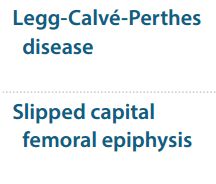
_____ disease is intraarticular epiphyseal osteochondromas.
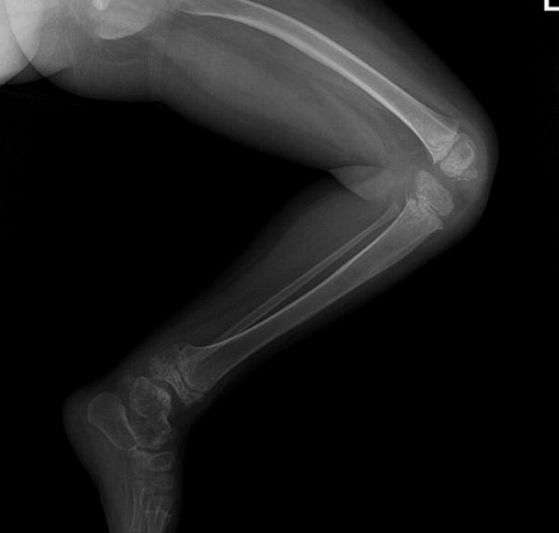
Neuromuscular Disorders in Children Flashcards for NEET-PG
Study 10 flashcards on Neuromuscular Disorders in Children for NEET-PG Orthopaedics. These active recall cards cover the key concepts, clinical associations, and high-yield facts from this chapter of Pediatric Orthopaedics. Each card is designed to test your understanding rather than just recognition, building stronger and more durable memories for exam day.
For personalised spaced repetition scheduling and unlimited flashcards, download the Oncourse app.
Frequently Asked Questions
Are Neuromuscular Disorders in Children flashcards free?
How many flashcards does this chapter have?
How should I use these flashcards for NEET-PG?
Are there more flashcards for Pediatric Orthopaedics?
Want unlimited flashcards?
Get full access to all flashcards, spaced repetition, and progress tracking.
Start For Free