Developmental Dysplasia of the Hip can be treated with a Pavlik Harness, which keeps the hips _____ and abducted
#3
Tom-Smith's arthritis causes severe destruction of the _____ of the femur as it is cartilaginous at this age.
#4
Which side is more commonly affected by DDH?_____
#5
A Slipped Capito-femoral Epiphysis occurs during the period of rapid growth, commonly during _____ years
#6
What is the pathogenesis of Perthe's disease?
_____
#7
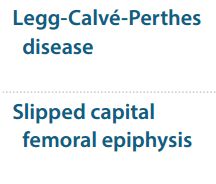
Which of the following is associated with acute hip/knee pain and altered gait (outward facing toe gait)?
_____
#8
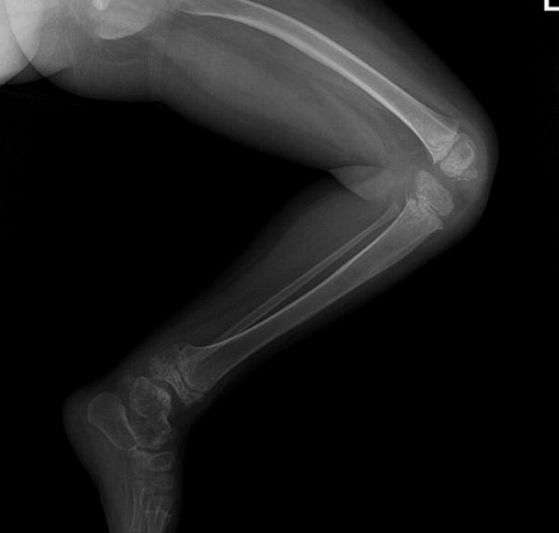
_____ disease is intraarticular epiphyseal osteochondromas.
#9
Which of the following usually occurs in children between 12-14 years old?
_____
#10
Which of the following is self-limited (~2-3 years)?
_____
Developmental Dysplasia of Hip Indian Medical PG Flashcards - Medical Study Cards
Master Developmental Dysplasia of Hip with OnCourse flashcards. These spaced repetition flashcards are designed for medical students preparing for NEET PG, USMLE Step 1, USMLE Step 2, MBBS exams, and other medical licensing examinations.
Developmental Dysplasia of Hip Flashcard Deck - 10 Cards
Flashcard 1: _____creased lumbar lordosis is seen in DDH.
Answer: In
Flashcard 2: Developmental Dysplasia of the Hip can be treated with a Pavlik Harness, which keeps the hips _____ and abducted
Answer: flexed
Flashcard 3: Tom-Smith's arthritis causes severe destruction of the _____ of the femur as it is cartilaginous at this age.
Answer: head
Flashcard 4: Which side is more commonly affected by DDH?_____
Answer: left>B/L>right
Flashcard 5: A Slipped Capito-femoral Epiphysis occurs during the period of rapid growth, commonly during _____ years
Answer: 11-20
Flashcard 6: What is the pathogenesis of Perthe's disease?
_____
Answer:
Flashcard 7: Which of the following is associated with acute hip/knee pain and altered gait (outward facing toe gait)?
_____
Answer: Slipped Capital Femoral Epiphysis
Flashcard 8: _____ disease is intraarticular epiphyseal osteochondromas.
Answer: Trevor's
Flashcard 9: Which of the following usually occurs in children between 12-14 years old?
_____
Answer: Slipped Capital Femoral Epiphyses
Flashcard 10: Which of the following is self-limited (~2-3 years)?
_____
Answer: Legg-Calve-Perthes
Keywords: Developmental Dysplasia of Hip flashcards, medical flashcards, NEET PG preparation, USMLE Step 1 flashcards, Anki alternative, spaced repetition medical, OnCourse flashcards
Developmental Dysplasia of Hip Flashcards for NEET-PG
Study 10 flashcards on Developmental Dysplasia of Hip for NEET-PG Orthopaedics. These active recall cards cover the key concepts, clinical associations, and high-yield facts from this chapter of Pediatric Orthopaedics. Each card is designed to test your understanding rather than just recognition, building stronger and more durable memories for exam day.
For personalised spaced repetition scheduling and unlimited flashcards, download the Oncourse app.
Frequently Asked Questions
Are Developmental Dysplasia of Hip flashcards free?
Yes, all flashcards on this page are completely free. You can study all 10 cards at no cost. For spaced repetition scheduling, download the Oncourse app.
How many flashcards does this chapter have?
There are 10 flashcards for Developmental Dysplasia of Hip, covering the key concepts, clinical correlations, and high-yield facts from this chapter of Pediatric Orthopaedics.
How should I use these flashcards for NEET-PG?
Read through each prompt and try to answer before revealing the back of the card. This active recall approach builds stronger memories than passive reading. Combine flashcards with the study notes and MCQ practice for the best results.
Are there more flashcards for Pediatric Orthopaedics?
Yes. This page covers one chapter of Pediatric Orthopaedics. Visit the topic page to see all chapters and their flashcards under Orthopaedics.
Want unlimited flashcards?
Get full access to all flashcards, spaced repetition, and progress tracking.
