Plaster cast wedging is done by forcing open a cut on the _____ side of the angulation, at the same level as the # and the plaster is reinforced with extra bandages.
#2
Cloverleaf shape of K-nail on the cross-section which provides good _____ stability.
#3
_____ can be used with ilizarov technique and also for internal fixation of small bones
#4
Which structures are fixed first during reimplantation of an amputated limb?_____
#5
K-nail is based on the concept of _____ point fixation
#6
Physiological limit for distraction osteogenesis is _____ mm/day
#7
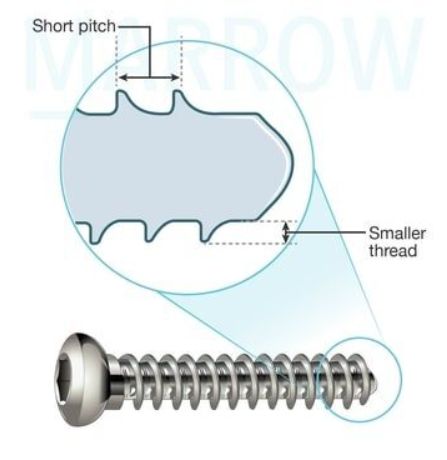
_____ screws have a smaller thread, low pitch, compression produced by over drilling proximal cortex
#8
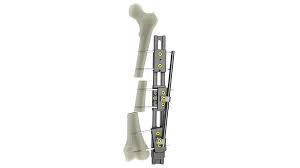
The following is a _____ fixator or LRS (limb reconstruction system)
#9
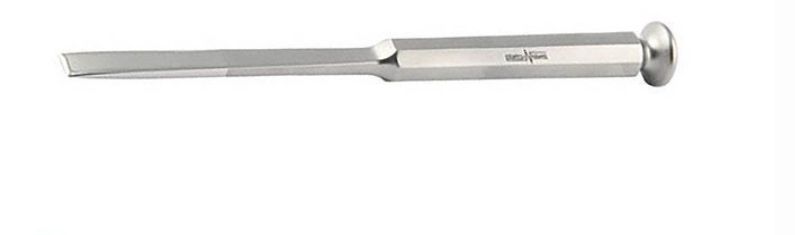
The following instrument is a _____
#10
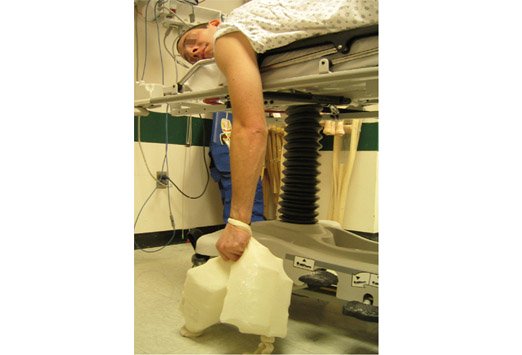
Name the following technique of reducing a dislocated shoulder:
_____
Local Flaps and Soft Tissue Coverage Indian Medical PG Flashcards - Medical Study Cards
Master Local Flaps and Soft Tissue Coverage with OnCourse flashcards. These spaced repetition flashcards are designed for medical students preparing for NEET PG, USMLE Step 1, USMLE Step 2, MBBS exams, and other medical licensing examinations.
Local Flaps and Soft Tissue Coverage Flashcard Deck - 10 Cards
Flashcard 1: Plaster cast wedging is done by forcing open a cut on the _____ side of the angulation, at the same level as the # and the plaster is reinforced with extra bandages.
Answer: concave
Flashcard 2: Cloverleaf shape of K-nail on the cross-section which provides good _____ stability.
Answer: rotational
Flashcard 3: _____ can be used with ilizarov technique and also for internal fixation of small bones
Answer: K-wire (K-wire/Steinmann pin)
Flashcard 4: Which structures are fixed first during reimplantation of an amputated limb?_____
Answer: Bone
Flashcard 5: K-nail is based on the concept of _____ point fixation
Answer: three
Flashcard 6: Physiological limit for distraction osteogenesis is _____ mm/day
Answer: one
Flashcard 7: _____ screws have a smaller thread, low pitch, compression produced by over drilling proximal cortex
Answer: Cortical
Flashcard 8: The following is a _____ fixator or LRS (limb reconstruction system)
Answer: Rail
Flashcard 9: The following instrument is a _____
Answer: osteotome
Flashcard 10: Name the following technique of reducing a dislocated shoulder:
_____
Answer: Stimson's hanging arm method
Keywords: Local Flaps and Soft Tissue Coverage flashcards, medical flashcards, NEET PG preparation, USMLE Step 1 flashcards, Anki alternative, spaced repetition medical, OnCourse flashcards
Local Flaps and Soft Tissue Coverage Flashcards for NEET-PG
Study 10 flashcards on Local Flaps and Soft Tissue Coverage for NEET-PG Orthopaedics. These active recall cards cover the key concepts, clinical associations, and high-yield facts from this chapter of Orthopaedic Techniques. Each card is designed to test your understanding rather than just recognition, building stronger and more durable memories for exam day.
For personalised spaced repetition scheduling and unlimited flashcards, download the Oncourse app.
Frequently Asked Questions
Are Local Flaps and Soft Tissue Coverage flashcards free?
Yes, all flashcards on this page are completely free. You can study all 10 cards at no cost. For spaced repetition scheduling, download the Oncourse app.
How many flashcards does this chapter have?
There are 10 flashcards for Local Flaps and Soft Tissue Coverage, covering the key concepts, clinical correlations, and high-yield facts from this chapter of Orthopaedic Techniques.
How should I use these flashcards for NEET-PG?
Read through each prompt and try to answer before revealing the back of the card. This active recall approach builds stronger memories than passive reading. Combine flashcards with the study notes and MCQ practice for the best results.
Are there more flashcards for Orthopaedic Techniques?
Yes. This page covers one chapter of Orthopaedic Techniques. Visit the topic page to see all chapters and their flashcards under Orthopaedics.
Want unlimited flashcards?
Get full access to all flashcards, spaced repetition, and progress tracking.