Infantile squint maybe associated with dissociated _____ deviation (70%) and Latent horizontal nystagmus
#3
In Maddox rod test (for the left eye), if the light is on the right side of the line, it is an _____-deviation
#4
When the amount of deviation varies in different directions of gaze, it is said to be _____
#5
Maddox _____ test is used to check for heterophoria for near vision
#6
In A or V pattern heterotropia, _____ muscle dysfunction is the commonest
#7
Forced duction test (FDT) is done to find out ocular muscle _____ vs squint due to the mechanical restriction of the ocular movements.
#8
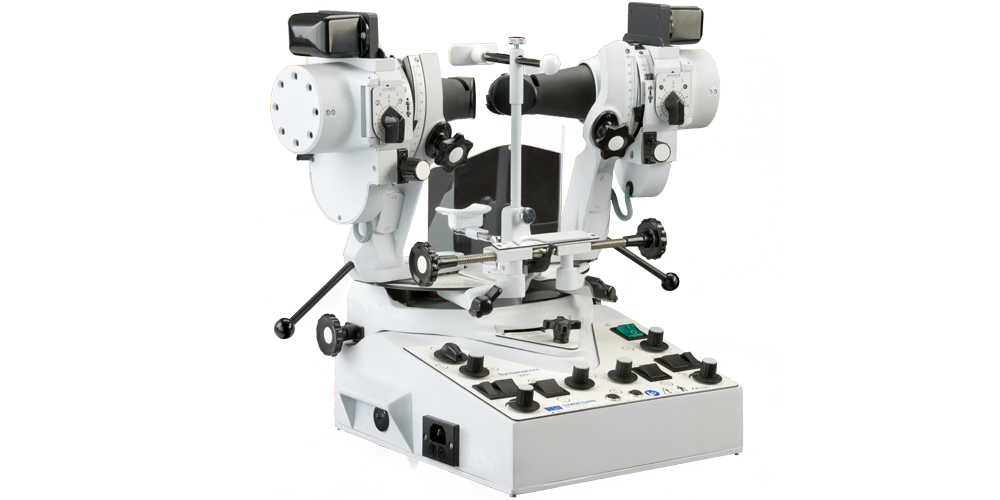
Measurement of fusion reserve is done using a _____ or _____
#9
_____ test is used to approximate the angle of manifest deviation in strabismus by placement of prisms in front of the fixating eye until the corneal light reflections are symmetrical
#10
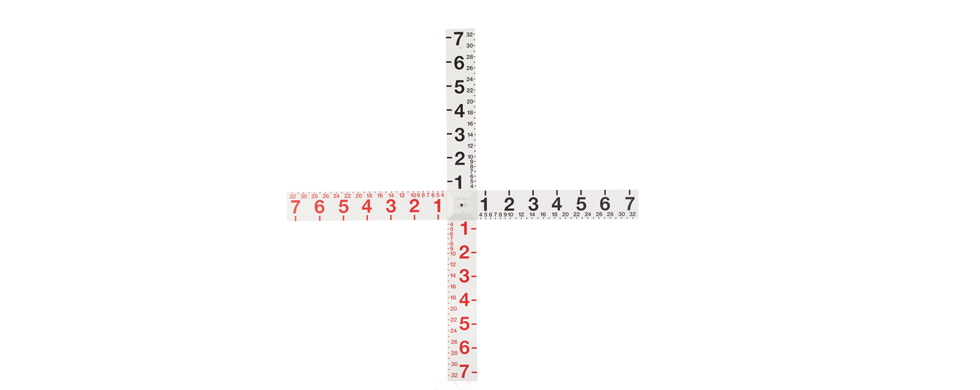
Maddox tangent test is used to check for heterophoria for _____ vision
Vertical Deviations Indian Medical PG Flashcards - Medical Study Cards
Master Vertical Deviations with OnCourse flashcards. These spaced repetition flashcards are designed for medical students preparing for NEET PG, USMLE Step 1, USMLE Step 2, MBBS exams, and other medical licensing examinations.
Flashcard 2: Infantile squint maybe associated with dissociated _____ deviation (70%) and Latent horizontal nystagmus
Answer: vertical
Flashcard 3: In Maddox rod test (for the left eye), if the light is on the right side of the line, it is an _____-deviation
Answer: eso
Flashcard 4: When the amount of deviation varies in different directions of gaze, it is said to be _____
Answer: incomitant
Flashcard 5: Maddox _____ test is used to check for heterophoria for near vision
Answer: wing
Flashcard 6: In A or V pattern heterotropia, _____ muscle dysfunction is the commonest
Answer: oblique
Flashcard 7: Forced duction test (FDT) is done to find out ocular muscle _____ vs squint due to the mechanical restriction of the ocular movements.
Answer: palsy
Flashcard 8: Measurement of fusion reserve is done using a _____ or _____
Answer: synoptophore
Flashcard 9: _____ test is used to approximate the angle of manifest deviation in strabismus by placement of prisms in front of the fixating eye until the corneal light reflections are symmetrical
Answer: Kimsky
Flashcard 10: Maddox tangent test is used to check for heterophoria for _____ vision
Answer: distance
Keywords: Vertical Deviations flashcards, medical flashcards, NEET PG preparation, USMLE Step 1 flashcards, Anki alternative, spaced repetition medical, OnCourse flashcards
Vertical Deviations Flashcards for NEET-PG
Study 10 flashcards on Vertical Deviations for NEET-PG Ophthalmology. These active recall cards cover the key concepts, clinical associations, and high-yield facts from this chapter of Pediatric Ophthalmology and Strabismus. Each card is designed to test your understanding rather than just recognition, building stronger and more durable memories for exam day.
For personalised spaced repetition scheduling and unlimited flashcards, download the Oncourse app.
Frequently Asked Questions
Are Vertical Deviations flashcards free?
Yes, all flashcards on this page are completely free. You can study all 10 cards at no cost. For spaced repetition scheduling, download the Oncourse app.
How many flashcards does this chapter have?
There are 10 flashcards for Vertical Deviations, covering the key concepts, clinical correlations, and high-yield facts from this chapter of Pediatric Ophthalmology and Strabismus.
How should I use these flashcards for NEET-PG?
Read through each prompt and try to answer before revealing the back of the card. This active recall approach builds stronger memories than passive reading. Combine flashcards with the study notes and MCQ practice for the best results.
Are there more flashcards for Pediatric Ophthalmology and Strabismus?
Yes. This page covers one chapter of Pediatric Ophthalmology and Strabismus. Visit the topic page to see all chapters and their flashcards under Ophthalmology.
Want unlimited flashcards?
Get full access to all flashcards, spaced repetition, and progress tracking.
