_____ refers to a partial reversible loss of vision in one or both eyes in the absence of any organic disease of ocular media, retina, and visual pathway.
#2
Retinopathy of prematurity (ROP), previously known as retrolental fibroplasia, is a disease of the eye that affects _____ babies.
#3
The angle of deviation in infantile esotropia is fairly _____ and relatively constant.
#4
What type of squint is infantile squint?_____ convergent squint
Hint: Incomitant/Concomitant
#5
In A or V pattern heterotropia, _____ muscle dysfunction is the commonest
#6
Treacher Collins syndrome presents with ocular features such as indistinct inferior orbital margin, Coloboma of the _____ and Anti-mongoloid slant
#7
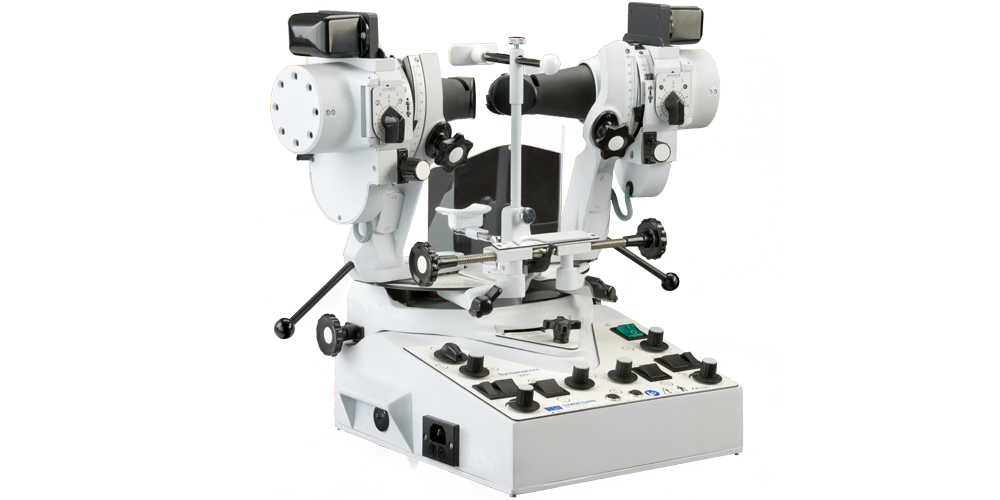
Measurement of fusion reserve is done using a _____ or _____
#8
_____ test is used to approximate the angle of manifest deviation in strabismus by placement of prisms in front of the fixating eye until the corneal light reflections are symmetrical
#9
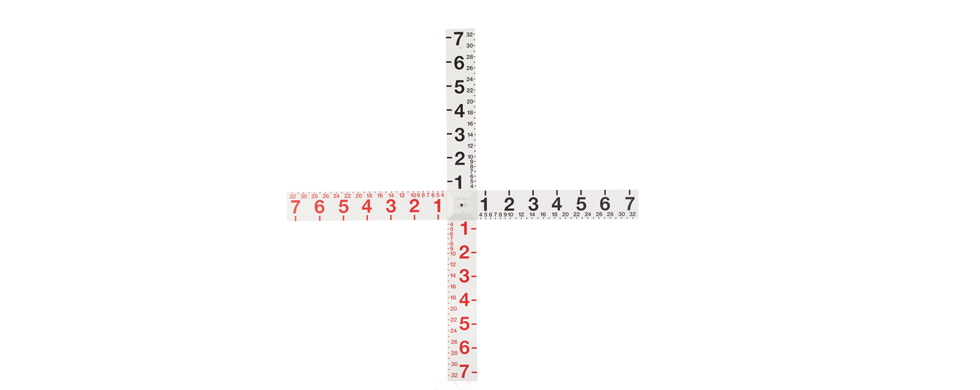
Maddox tangent test is used to check for heterophoria for _____ vision
#10
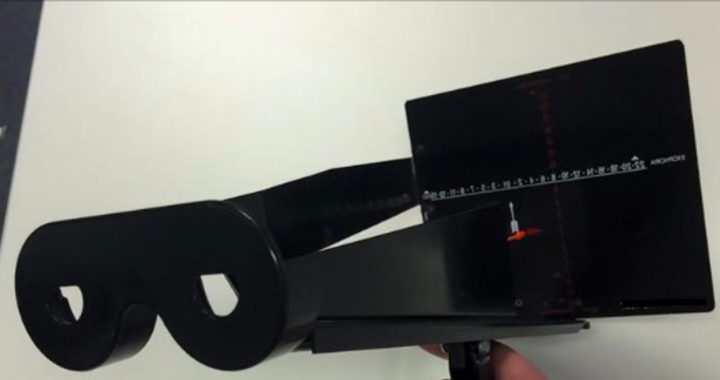
Maddox wing test is used to check for heterophoria for _____ vision
Special Forms of Strabismus Indian Medical PG Flashcards - Medical Study Cards
Master Special Forms of Strabismus with OnCourse flashcards. These spaced repetition flashcards are designed for medical students preparing for NEET PG, USMLE Step 1, USMLE Step 2, MBBS exams, and other medical licensing examinations.
Special Forms of Strabismus Flashcard Deck - 10 Cards
Flashcard 1: _____ refers to a partial reversible loss of vision in one or both eyes in the absence of any organic disease of ocular media, retina, and visual pathway.
Answer: Amblyopia
Flashcard 2: Retinopathy of prematurity (ROP), previously known as retrolental fibroplasia, is a disease of the eye that affects _____ babies.
Answer: prematurely born
Flashcard 3: The angle of deviation in infantile esotropia is fairly _____ and relatively constant.
Answer: large (> 30)
Flashcard 4: What type of squint is infantile squint?_____ convergent squint
Answer: Concomitant
Flashcard 5: In A or V pattern heterotropia, _____ muscle dysfunction is the commonest
Answer: oblique
Flashcard 6: Treacher Collins syndrome presents with ocular features such as indistinct inferior orbital margin, Coloboma of the _____ and Anti-mongoloid slant
Answer: lower eyelid
Flashcard 7: Measurement of fusion reserve is done using a _____ or _____
Answer: synoptophore
Flashcard 8: _____ test is used to approximate the angle of manifest deviation in strabismus by placement of prisms in front of the fixating eye until the corneal light reflections are symmetrical
Answer: Kimsky
Flashcard 9: Maddox tangent test is used to check for heterophoria for _____ vision
Answer: distance
Flashcard 10: Maddox wing test is used to check for heterophoria for _____ vision
Answer: near
Keywords: Special Forms of Strabismus flashcards, medical flashcards, NEET PG preparation, USMLE Step 1 flashcards, Anki alternative, spaced repetition medical, OnCourse flashcards
Special Forms of Strabismus Flashcards for NEET-PG
Study 10 flashcards on Special Forms of Strabismus for NEET-PG Ophthalmology. These active recall cards cover the key concepts, clinical associations, and high-yield facts from this chapter of Pediatric Ophthalmology and Strabismus. Each card is designed to test your understanding rather than just recognition, building stronger and more durable memories for exam day.
For personalised spaced repetition scheduling and unlimited flashcards, download the Oncourse app.
Frequently Asked Questions
Are Special Forms of Strabismus flashcards free?
Yes, all flashcards on this page are completely free. You can study all 10 cards at no cost. For spaced repetition scheduling, download the Oncourse app.
How many flashcards does this chapter have?
There are 10 flashcards for Special Forms of Strabismus, covering the key concepts, clinical correlations, and high-yield facts from this chapter of Pediatric Ophthalmology and Strabismus.
How should I use these flashcards for NEET-PG?
Read through each prompt and try to answer before revealing the back of the card. This active recall approach builds stronger memories than passive reading. Combine flashcards with the study notes and MCQ practice for the best results.
Are there more flashcards for Pediatric Ophthalmology and Strabismus?
Yes. This page covers one chapter of Pediatric Ophthalmology and Strabismus. Visit the topic page to see all chapters and their flashcards under Ophthalmology.
Want unlimited flashcards?
Get full access to all flashcards, spaced repetition, and progress tracking.
