
Pediatric Neuro-ophthalmology — Flashcards

Intraocular pressure (IOP) is usually _____ in retinoblastoma
In _____, Coats' disease is typically diagnosed as a result of the recognition of poor vision, strabismus, or leukocoria.
_____ occurs because of failure of fetal vasculature to regress in the eye
Levator function is usually _____ in congenital ptosis
What are the ocular features of Goldenhar syndrome? (McD)M: _____C: Coloboma (upper lid or disc)D: Dermoids
_____ squint in children is a complication of uncorrected long-standing hypermetropia.
Persistent hyperplastic primary vitreous (PHPV) is associated with _____.
Measurement of fusion reserve is done using a _____ or _____
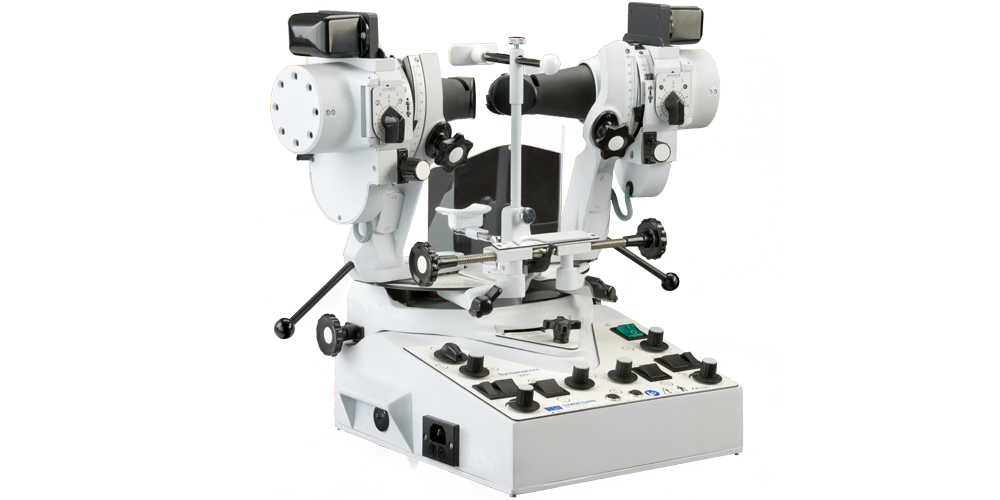
_____ test is used to approximate the angle of manifest deviation in strabismus by placement of prisms in front of the fixating eye until the corneal light reflections are symmetrical
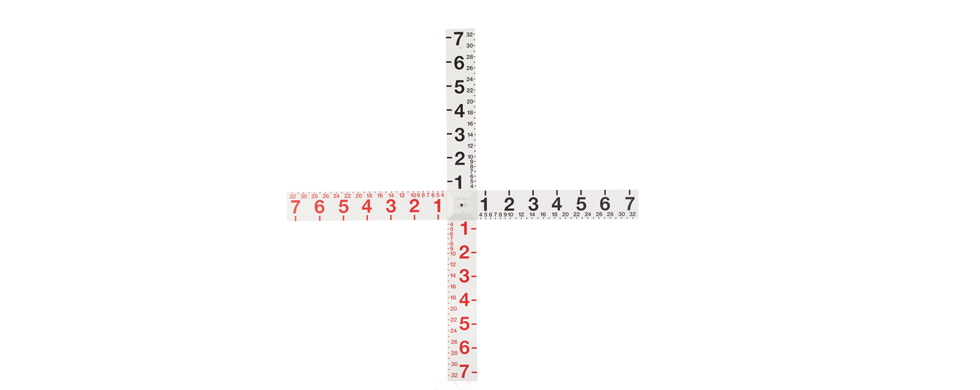
Maddox tangent test is used to check for heterophoria for _____ vision
Pediatric Neuro-ophthalmology Flashcards for NEET-PG
Study 10 flashcards on Pediatric Neuro-ophthalmology for NEET-PG Ophthalmology. These active recall cards cover the key concepts, clinical associations, and high-yield facts from this chapter of Pediatric Ophthalmology and Strabismus. Each card is designed to test your understanding rather than just recognition, building stronger and more durable memories for exam day.
For personalised spaced repetition scheduling and unlimited flashcards, download the Oncourse app.
Frequently Asked Questions
Are Pediatric Neuro-ophthalmology flashcards free?
How many flashcards does this chapter have?
How should I use these flashcards for NEET-PG?
Are there more flashcards for Pediatric Ophthalmology and Strabismus?
Want unlimited flashcards?
Get full access to all flashcards, spaced repetition, and progress tracking.
Start For Free