_____ and amphotericin-B are antifungals that can be given intravitreally.
#2
_____ eyedrops is the drug of choice for uncomplicated filamentous fungal keratitis, without intraocular or anterior chamber extension
#3
Which drugs are used for mycotic ulcers with hypopyon or perforation or suspected endophthalmitis (intraorbital extension)?_____
#4
What drugs are used for the mainstay of treatment for uveitis?_____
#5
Which antimalarials are associated with bull's eye maculopathy?_____
#6
Erythromycin is used in neonates with _____ caused by Neisseria gonorrhoeae (early) or Chlamydia trachomatis D-K (late)
#7
Drug of choice for herpes simplex keratitis is :
#8
Triple therapy for ocular toxoplasmosis: Systemic _____, Pyrimethamine and Sulfadiazine
#9
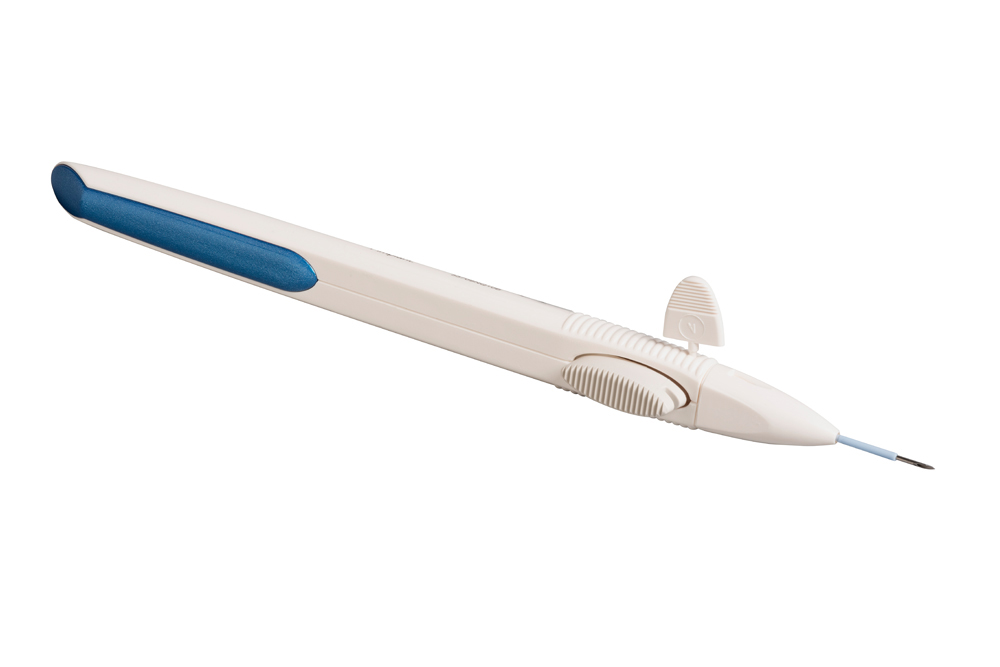
_____ implant is a dexamethasone intravitreal implant used to treat secondary macular edema
#10
Latanoprost and bimatoprost can produce _____ pigmentation in the iris and can cause eyelash growth
Anti-infective Agents Indian Medical PG Flashcards - Medical Study Cards
Master Anti-infective Agents with OnCourse flashcards. These spaced repetition flashcards are designed for medical students preparing for NEET PG, USMLE Step 1, USMLE Step 2, MBBS exams, and other medical licensing examinations.
Anti-infective Agents Flashcard Deck - 10 Cards
Flashcard 1: _____ and amphotericin-B are antifungals that can be given intravitreally.
Answer: Voriconazole
Flashcard 2: _____ eyedrops is the drug of choice for uncomplicated filamentous fungal keratitis, without intraocular or anterior chamber extension
Answer: Natamycin
Flashcard 3: Which drugs are used for mycotic ulcers with hypopyon or perforation or suspected endophthalmitis (intraorbital extension)?_____
Answer: Ketoconazole/Voriconazole
Flashcard 4: What drugs are used for the mainstay of treatment for uveitis?_____
Answer: Steroids and cycloplegics
Flashcard 5: Which antimalarials are associated with bull's eye maculopathy?_____
Answer: Chloroquine and hydroxychloroquine
Flashcard 6: Erythromycin is used in neonates with _____ caused by Neisseria gonorrhoeae (early) or Chlamydia trachomatis D-K (late)
Answer: neonatal conjunctivitis
Flashcard 7: Drug of choice for herpes simplex keratitis is :
Answer: Acyclovir
Flashcard 8: Triple therapy for ocular toxoplasmosis: Systemic _____, Pyrimethamine and Sulfadiazine
Answer: steroids
Flashcard 9: _____ implant is a dexamethasone intravitreal implant used to treat secondary macular edema
Answer: Ozurdex
Flashcard 10: Latanoprost and bimatoprost can produce _____ pigmentation in the iris and can cause eyelash growth
Answer: brown
Keywords: Anti-infective Agents flashcards, medical flashcards, NEET PG preparation, USMLE Step 1 flashcards, Anki alternative, spaced repetition medical, OnCourse flashcards
Anti-infective Agents Flashcards for NEET-PG
Study 10 flashcards on Anti-infective Agents for NEET-PG Ophthalmology. These active recall cards cover the key concepts, clinical associations, and high-yield facts from this chapter of Ophthalmic Pharmacology. Each card is designed to test your understanding rather than just recognition, building stronger and more durable memories for exam day.
For personalised spaced repetition scheduling and unlimited flashcards, download the Oncourse app.
Frequently Asked Questions
Are Anti-infective Agents flashcards free?
Yes, all flashcards on this page are completely free. You can study all 10 cards at no cost. For spaced repetition scheduling, download the Oncourse app.
How many flashcards does this chapter have?
There are 10 flashcards for Anti-infective Agents, covering the key concepts, clinical correlations, and high-yield facts from this chapter of Ophthalmic Pharmacology.
How should I use these flashcards for NEET-PG?
Read through each prompt and try to answer before revealing the back of the card. This active recall approach builds stronger memories than passive reading. Combine flashcards with the study notes and MCQ practice for the best results.
Are there more flashcards for Ophthalmic Pharmacology?
Yes. This page covers one chapter of Ophthalmic Pharmacology. Visit the topic page to see all chapters and their flashcards under Ophthalmology.
Want unlimited flashcards?
Get full access to all flashcards, spaced repetition, and progress tracking.
