Lesion to areas after the optic chiasm result in _____-ocular and homonymous contra-lateral deficits in vision
#2
In _____, all EOMs are paralysed, due to lesions at the level of motor nuclei
#3
Anisocoria that increases in bright light and responds to diluted pilocarpine should point you to the diagnosis of _____
#4
_____ of the pupil will be seen in cavernous sinus thrombosis due to the involvement of the 3rd cranial nerve.
#5
Simultaneous lesion in both sympathetic and parasympathetic supply of the eye leads to _____-sized pupil that doesn t react to light.
#6
Pituitary adenoma may present with _____ due to compression of the optic chiasm
#7
Pupillary light reflex is sluggish in _____
#8
Papilledema presents with _____ vision loss associated with changes in head position, and is secondary to increased intracranial pressure
#9
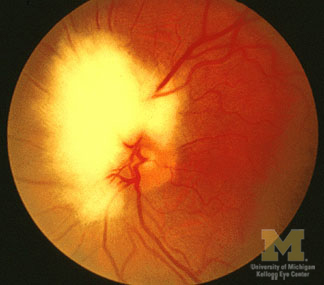
_____ is a condition of abnormal myelination of the nerve fibers of the retina, where myelination continues beyond lamina cribrosa and spreads into the retina beyond the optic disc.
#10
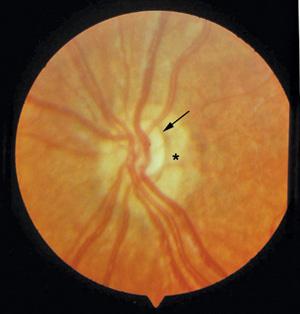
_____ sign is seen in optic nerve hypoplasia
Neuro-ophthalmic Manifestations of Intracranial Lesions Indian Medical PG Flashcards - Medical Study Cards
Master Neuro-ophthalmic Manifestations of Intracranial Lesions with OnCourse flashcards. These spaced repetition flashcards are designed for medical students preparing for NEET PG, USMLE Step 1, USMLE Step 2, MBBS exams, and other medical licensing examinations.
Neuro-ophthalmic Manifestations of Intracranial Lesions Flashcard Deck - 10 Cards
Flashcard 1: Lesion to areas after the optic chiasm result in _____-ocular and homonymous contra-lateral deficits in vision
Answer: bin
Flashcard 2: In _____, all EOMs are paralysed, due to lesions at the level of motor nuclei
Answer: external ophthalmoplegia
Flashcard 3: Anisocoria that increases in bright light and responds to diluted pilocarpine should point you to the diagnosis of _____
Answer: Adie pupil
Flashcard 4: _____ of the pupil will be seen in cavernous sinus thrombosis due to the involvement of the 3rd cranial nerve.
Answer: Dilation
Flashcard 5: Simultaneous lesion in both sympathetic and parasympathetic supply of the eye leads to _____-sized pupil that doesn t react to light.
Answer: mid
Flashcard 6: Pituitary adenoma may present with _____ due to compression of the optic chiasm
Answer: bitemporal hemianopsia
Flashcard 7: Pupillary light reflex is sluggish in _____
Answer: papillitis (papillitis/papilledema)
Flashcard 8: Papilledema presents with _____ vision loss associated with changes in head position, and is secondary to increased intracranial pressure
Answer: transient
Flashcard 9: _____ is a condition of abnormal myelination of the nerve fibers of the retina, where myelination continues beyond lamina cribrosa and spreads into the retina beyond the optic disc.
Flashcard 10: _____ sign is seen in optic nerve hypoplasia
Answer: Double-ring
Keywords: Neuro-ophthalmic Manifestations of Intracranial Lesions flashcards, medical flashcards, NEET PG preparation, USMLE Step 1 flashcards, Anki alternative, spaced repetition medical, OnCourse flashcards
Neuro-ophthalmic Manifestations of Intracranial Lesions Flashcards for NEET-PG
Study 10 flashcards on Neuro-ophthalmic Manifestations of Intracranial Lesions for NEET-PG Ophthalmology. These active recall cards cover the key concepts, clinical associations, and high-yield facts from this chapter of Neuro-Ophthalmology. Each card is designed to test your understanding rather than just recognition, building stronger and more durable memories for exam day.
For personalised spaced repetition scheduling and unlimited flashcards, download the Oncourse app.
Frequently Asked Questions
Are Neuro-ophthalmic Manifestations of Intracranial Lesions flashcards free?
Yes, all flashcards on this page are completely free. You can study all 10 cards at no cost. For spaced repetition scheduling, download the Oncourse app.
How many flashcards does this chapter have?
There are 10 flashcards for Neuro-ophthalmic Manifestations of Intracranial Lesions, covering the key concepts, clinical correlations, and high-yield facts from this chapter of Neuro-Ophthalmology.
How should I use these flashcards for NEET-PG?
Read through each prompt and try to answer before revealing the back of the card. This active recall approach builds stronger memories than passive reading. Combine flashcards with the study notes and MCQ practice for the best results.
Are there more flashcards for Neuro-Ophthalmology?
Yes. This page covers one chapter of Neuro-Ophthalmology. Visit the topic page to see all chapters and their flashcards under Ophthalmology.
Want unlimited flashcards?
Get full access to all flashcards, spaced repetition, and progress tracking.
