Which cataract shows an onion whorl appearance?_____
#3
Cortical cataract can be of _____ type (5% cases), where central saucer shaped opacity in the posterior cortex just below the capsule, lead to early visual loss
#4
_____ is a type of after cataract that occurs due to thick ring being formed behind the iris, between the two layers of capsule
#5
Corticosteroids causes a discoid, _____ subcapsular cataract
#6
Loss of ability to see objects in bright sunlight, blinded by the light of oncoming headlamps when driving at night is seen with _____ cataract or posterior subcapsular cataract
#7
Wilson's disease and penetrating trauma is associated with _____ cataract
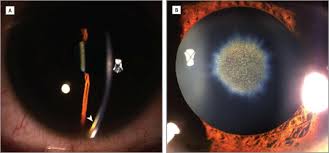
#8
Atopic dermatitis is associated with _____ cataract
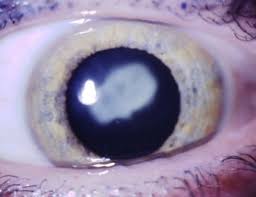
#9
Inflammatory membrane behind the lens seen in iridocyclitis is called _____.
#10
major cause of blindness in >50 years age is _____
Posterior Capsular Opacification Indian Medical PG Flashcards - Medical Study Cards
Master Posterior Capsular Opacification with OnCourse flashcards. These spaced repetition flashcards are designed for medical students preparing for NEET PG, USMLE Step 1, USMLE Step 2, MBBS exams, and other medical licensing examinations.
Flashcard 1: What is the rx of choice for after cataract?_____
Answer: Nd:Yag laser posterior capsulotomy
Flashcard 2: Which cataract shows an onion whorl appearance?_____
Answer: Posterior polar cataract
Flashcard 3: Cortical cataract can be of _____ type (5% cases), where central saucer shaped opacity in the posterior cortex just below the capsule, lead to early visual loss
Answer: cupuliform
Flashcard 4: _____ is a type of after cataract that occurs due to thick ring being formed behind the iris, between the two layers of capsule
Answer: Sommering's ring
Flashcard 5: Corticosteroids causes a discoid, _____ subcapsular cataract
Answer: posterior
Flashcard 6: Loss of ability to see objects in bright sunlight, blinded by the light of oncoming headlamps when driving at night is seen with _____ cataract or posterior subcapsular cataract
Answer: nuclear
Flashcard 7: Wilson's disease and penetrating trauma is associated with _____ cataract
Answer: sunflower
Flashcard 8: Atopic dermatitis is associated with _____ cataract
Answer: shield
Flashcard 9: Inflammatory membrane behind the lens seen in iridocyclitis is called _____.
Answer: cyclitic membrane
Flashcard 10: major cause of blindness in >50 years age is _____
Posterior Capsular Opacification Flashcards for NEET-PG
Study 10 flashcards on Posterior Capsular Opacification for NEET-PG Ophthalmology. These active recall cards cover the key concepts, clinical associations, and high-yield facts from this chapter of Diseases of the Lens. Each card is designed to test your understanding rather than just recognition, building stronger and more durable memories for exam day.
For personalised spaced repetition scheduling and unlimited flashcards, download the Oncourse app.
Frequently Asked Questions
Are Posterior Capsular Opacification flashcards free?
Yes, all flashcards on this page are completely free. You can study all 10 cards at no cost. For spaced repetition scheduling, download the Oncourse app.
How many flashcards does this chapter have?
There are 10 flashcards for Posterior Capsular Opacification, covering the key concepts, clinical correlations, and high-yield facts from this chapter of Diseases of the Lens.
How should I use these flashcards for NEET-PG?
Read through each prompt and try to answer before revealing the back of the card. This active recall approach builds stronger memories than passive reading. Combine flashcards with the study notes and MCQ practice for the best results.
Are there more flashcards for Diseases of the Lens?
Yes. This page covers one chapter of Diseases of the Lens. Visit the topic page to see all chapters and their flashcards under Ophthalmology.
Want unlimited flashcards?
Get full access to all flashcards, spaced repetition, and progress tracking.
