_____ syndrome is an autoimmune destruction of lacrimal and salivary glands
#2
The most common ocular manifestation of rheumatoid arthritis is _____.
#3
Diffuse scleroderma is associated with _____ and anti-RNA Polymerase III antibodies
#4
The characteristics of SLE may be remembered with the mnemonic "RASH OR PAIN":R: _____A: Arthritis (usually involving > 2 joints)S: Serositis (pleuritis and pericarditis)H: Hematologic disorders (e.g. cytopenias)O: Oral or nasopharyngeal ulcers (usually painless)R: Renal diseaseP: PhotosensitivityA: Antinuclear antibodiesI: Immunologic disorder (anti-dsDNA, anti-Sm, antiphospholipid) N: Neurologic disorder (seizures, psychosis)
#5
_____ criteria is used for the diagnosis of SLE
#6
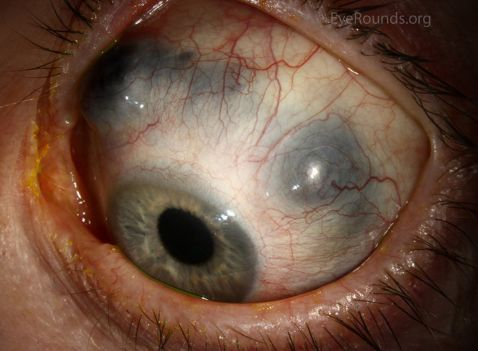
_____ scleritis _____ inflammation is seen in long standing cases of rheumatoid arthritis
#7
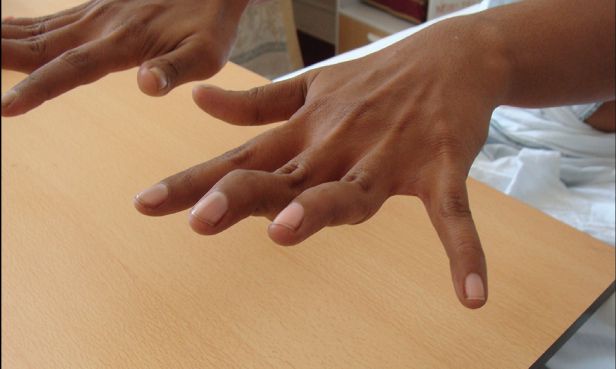
This image is an example of a "_____" deformity, which is most commonly associated with Rheumatoid arthritis
#8
caplan syndrome includes
_____
#9
Polymyositis and dermatomyositis may have ANA, _____, anti-Mi-2, and/or anti-SRP antibodies
#10
What HLA subtypes are associated with SLE? _____ and DR3
Sjögren's Syndrome Indian Medical PG Flashcards - Medical Study Cards
Master Sjögren's Syndrome with OnCourse flashcards. These spaced repetition flashcards are designed for medical students preparing for NEET PG, USMLE Step 1, USMLE Step 2, MBBS exams, and other medical licensing examinations.
Sjögren's Syndrome Flashcard Deck - 10 Cards
Flashcard 1: _____ syndrome is an autoimmune destruction of lacrimal and salivary glands
Answer: Sjogren
Flashcard 2: The most common ocular manifestation of rheumatoid arthritis is _____.
Answer: keratoconjunctivitis sicca
Flashcard 3: Diffuse scleroderma is associated with _____ and anti-RNA Polymerase III antibodies
Answer: anti-Scl-70 (DNA topoisomerase I)
Flashcard 4: The characteristics of SLE may be remembered with the mnemonic "RASH OR PAIN":R: _____A: Arthritis (usually involving > 2 joints)S: Serositis (pleuritis and pericarditis)H: Hematologic disorders (e.g. cytopenias)O: Oral or nasopharyngeal ulcers (usually painless)R: Renal diseaseP: PhotosensitivityA: Antinuclear antibodiesI: Immunologic disorder (anti-dsDNA, anti-Sm, antiphospholipid) N: Neurologic disorder (seizures, psychosis)
Answer: Rash (malar or discoid)
Flashcard 5: _____ criteria is used for the diagnosis of SLE
Answer: SLICC
Flashcard 6: _____ scleritis _____ inflammation is seen in long standing cases of rheumatoid arthritis
Answer: Necrotizing
Flashcard 7: This image is an example of a "_____" deformity, which is most commonly associated with Rheumatoid arthritis
Answer: swan neck
Flashcard 8: caplan syndrome includes
_____
Answer: rheumatoid arthritis +
pneumoconiosis
Extra:
Flashcard 9: Polymyositis and dermatomyositis may have ANA, _____, anti-Mi-2, and/or anti-SRP antibodies
Answer: anti-Jo-1
Flashcard 10: What HLA subtypes are associated with SLE? _____ and DR3
Answer: DR2
Keywords: Sjögren's Syndrome flashcards, medical flashcards, NEET PG preparation, USMLE Step 1 flashcards, Anki alternative, spaced repetition medical, OnCourse flashcards
Sjögren's Syndrome Flashcards for NEET-PG
Study 10 flashcards on Sjögren's Syndrome for NEET-PG Internal Medicine. These active recall cards cover the key concepts, clinical associations, and high-yield facts from this chapter of Rheumatology and Immunology. Each card is designed to test your understanding rather than just recognition, building stronger and more durable memories for exam day.
For personalised spaced repetition scheduling and unlimited flashcards, download the Oncourse app.
Frequently Asked Questions
Are Sjögren's Syndrome flashcards free?
Yes, all flashcards on this page are completely free. You can study all 10 cards at no cost. For spaced repetition scheduling, download the Oncourse app.
How many flashcards does this chapter have?
There are 10 flashcards for Sjögren's Syndrome, covering the key concepts, clinical correlations, and high-yield facts from this chapter of Rheumatology and Immunology.
How should I use these flashcards for NEET-PG?
Read through each prompt and try to answer before revealing the back of the card. This active recall approach builds stronger memories than passive reading. Combine flashcards with the study notes and MCQ practice for the best results.
Are there more flashcards for Rheumatology and Immunology?
Yes. This page covers one chapter of Rheumatology and Immunology. Visit the topic page to see all chapters and their flashcards under Internal Medicine.
Want unlimited flashcards?
Get full access to all flashcards, spaced repetition, and progress tracking.
