
Gastrointestinal Motility Disorders — Flashcards

Chicago type _____ (Classic achalasia): It is characterised by hypomotile esophageal body.
_____ is the gold-standard diagnostic test for Diffuse esophageal spasm.
Gastric pH below _____ and a serum gastrin concentration above 1000 pg/mL confirms the diagnosis of ZES
Type _____ antibodies in pernicious anemia recognize the and subunits of the gastric proton pump
ROME IV Diagnostic criteria for IBS:Recurrent abdominal pain for at least _____ day per week in the last _____ months + 2 or more of following:Pain related to defecationChange in stool frequencyChange in stool form
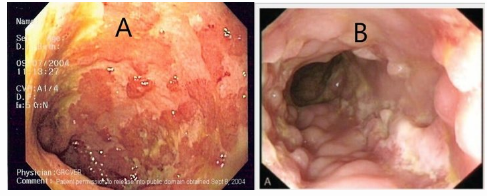
A- _____- Continuous involvement B - _____ - Cobblestone appearence
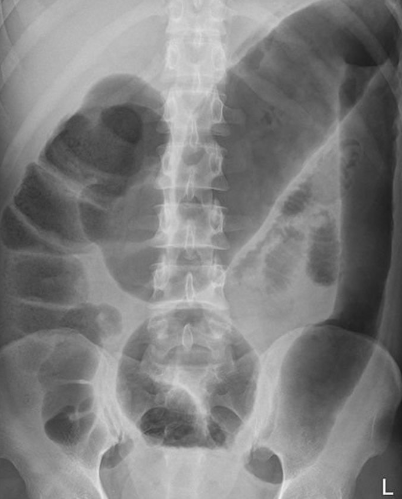
Toxic megacolon is defined as the dilatation of the transverse colon to a diameter of more than _____ cm
_____ is the presence of gallstones in the common bile duct, often leading to elevated ALP, GGT, direct bilirubin, and/or AST/ALT
Zollinger-Ellison syndrome is characterized by acid hypersecretion, causing recurrent _____ in the duodenum and jejunum
Physiological test for pancreatic _____ocrine insufficiency is done using a test meal, called as Lundh test
Hint: end/ex
Gastrointestinal Motility Disorders Flashcards for NEET-PG
Study 10 flashcards on Gastrointestinal Motility Disorders for NEET-PG Internal Medicine. These active recall cards cover the key concepts, clinical associations, and high-yield facts from this chapter of Gastroenterology. Each card is designed to test your understanding rather than just recognition, building stronger and more durable memories for exam day.
For personalised spaced repetition scheduling and unlimited flashcards, download the Oncourse app.
Frequently Asked Questions
Are Gastrointestinal Motility Disorders flashcards free?
How many flashcards does this chapter have?
How should I use these flashcards for NEET-PG?
Are there more flashcards for Gastroenterology?
Want unlimited flashcards?
Get full access to all flashcards, spaced repetition, and progress tracking.
Start For Free