What is the earliest hematological response to iron therapy in iron-deficiency anemia?_____
#2
Anemia is classified as _____ if the MCV < 80 m3
#3
If the PSA is found elevated (in a hard feeling prostate) and cancer is suspected, the next step would be to do a _____ followed by biopsy
#4
_____ is a painful sustained erection lasting >4 hours
#5
Mentzer index is defined as the quotient of _____
#6
_____ is almost always secondary to another disease, which may be remembered with "STOP Making New Thrombi" S:Sepsis, Snake bite (rattlesnake) T: Trauma O: *Obstetric complications P: Pancreatitis (acute) Making: Malignancy New: Nephrotic syndrome Thrombi: Transfusion
#7
If Mentzer index is _____, the patient likely has a iron-deficiency anemia
#8
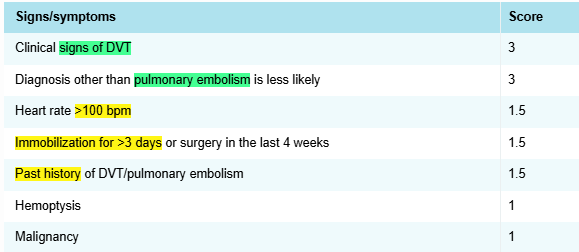
Modified Well’s Score: No answer _____
#9
Vitamin _____ deficiency is characterized by sideroblastic anemia and peripheral neuropathy
#10
McArdle disease is associated with painful _____ that occur with strenuous exercise
Approach to Common Symptoms (Fever, Pain, Fatigue) Indian Medical PG Flashcards - Medical Study Cards
Master Approach to Common Symptoms (Fever, Pain, Fatigue) with OnCourse flashcards. These spaced repetition flashcards are designed for medical students preparing for NEET PG, USMLE Step 1, USMLE Step 2, MBBS exams, and other medical licensing examinations.
Approach to Common Symptoms (Fever, Pain, Fatigue) Flashcard Deck - 10 Cards
Flashcard 1: What is the earliest hematological response to iron therapy in iron-deficiency anemia?_____
Answer: Bone marrow erythroid hyperplasia
Flashcard 2: Anemia is classified as _____ if the MCV < 80 m3
Answer: microcytic
Flashcard 3: If the PSA is found elevated (in a hard feeling prostate) and cancer is suspected, the next step would be to do a _____ followed by biopsy
Answer: MRI
Flashcard 4: _____ is a painful sustained erection lasting >4 hours
Answer: Ischemic priapism
Flashcard 5: Mentzer index is defined as the quotient of _____
Answer: MCV/TRBC
Flashcard 6: _____ is almost always secondary to another disease, which may be remembered with "STOP Making New Thrombi" S:Sepsis, Snake bite (rattlesnake) T: Trauma O: *Obstetric complications P: Pancreatitis (acute) Making: Malignancy New: Nephrotic syndrome Thrombi: Transfusion
Flashcard 7: If Mentzer index is _____, the patient likely has a iron-deficiency anemia
Answer: >14
Flashcard 8: Modified Well’s Score: No answer _____
Answer: :)
Flashcard 9: Vitamin _____ deficiency is characterized by sideroblastic anemia and peripheral neuropathy
Answer: B6
Flashcard 10: McArdle disease is associated with painful _____ that occur with strenuous exercise
Answer: muscle cramps
Keywords: Approach to Common Symptoms (Fever, Pain, Fatigue) flashcards, medical flashcards, NEET PG preparation, USMLE Step 1 flashcards, Anki alternative, spaced repetition medical, OnCourse flashcards
Approach to Common Symptoms (Fever, Pain, Fatigue) Flashcards for NEET-PG
Study 10 flashcards on Approach to Common Symptoms (Fever, Pain, Fatigue) for NEET-PG Internal Medicine. These active recall cards cover the key concepts, clinical associations, and high-yield facts from this chapter of Clinical Manifestations and Presentation of Diseases. Each card is designed to test your understanding rather than just recognition, building stronger and more durable memories for exam day.
For personalised spaced repetition scheduling and unlimited flashcards, download the Oncourse app.
Frequently Asked Questions
Are Approach to Common Symptoms (Fever, Pain, Fatigue) flashcards free?
Yes, all flashcards on this page are completely free. You can study all 10 cards at no cost. For spaced repetition scheduling, download the Oncourse app.
How many flashcards does this chapter have?
There are 10 flashcards for Approach to Common Symptoms (Fever, Pain, Fatigue), covering the key concepts, clinical correlations, and high-yield facts from this chapter of Clinical Manifestations and Presentation of Diseases.
How should I use these flashcards for NEET-PG?
Read through each prompt and try to answer before revealing the back of the card. This active recall approach builds stronger memories than passive reading. Combine flashcards with the study notes and MCQ practice for the best results.
Are there more flashcards for Clinical Manifestations and Presentation of Diseases?
Yes. This page covers one chapter of Clinical Manifestations and Presentation of Diseases. Visit the topic page to see all chapters and their flashcards under Internal Medicine.
Want unlimited flashcards?
Get full access to all flashcards, spaced repetition, and progress tracking.
