A sample of heroin adulterated with strychnine is also called as a _____
#2
_____ is the science dealing with properties, actions, toxicity, fatal dose, detection and estimation of poisons.
#3
_____ is commonly used for suicidal purposes - ideal suicidal agent.
#4
Color of post mortem hypostasis in case of opium poisoning is _____.
#5
What is the most common mode of suicide attempt in India?_____
#6
_____ is the most reliable method for the assessment of blood alcohol levels.
#7
If the baseline urinary levels is within normal limits and arsenic intoxication is still suspected, what would be the next step?_____
#8
Section _____ IPC deals with 'causing hurt by means of poisons, etc.'
#9
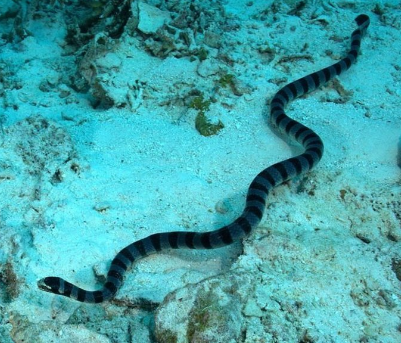
The snake in the given image is a sea snake, and its venom is _____toxic.
#10
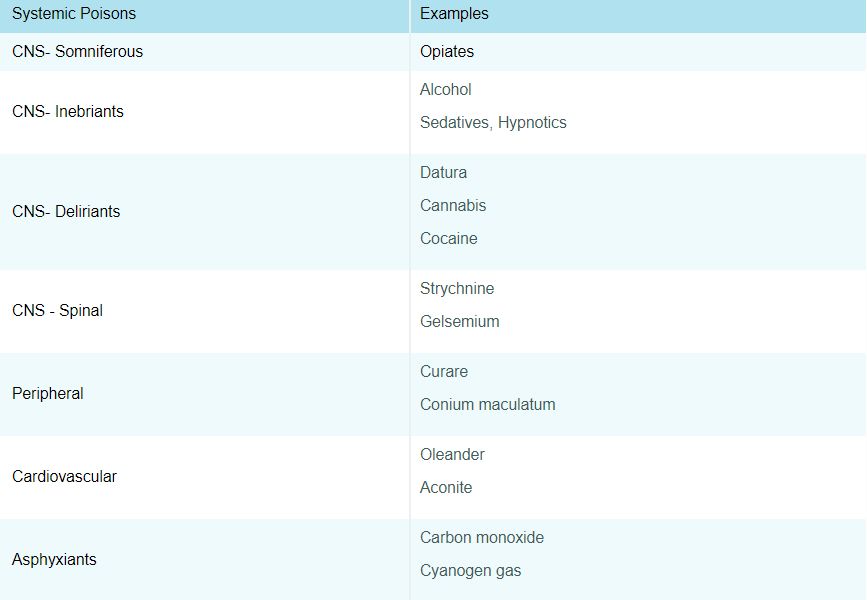
Systemic poisons: No answer _____
Drug Abuse and Dependence Indian Medical PG Flashcards - Medical Study Cards
Master Drug Abuse and Dependence with OnCourse flashcards. These spaced repetition flashcards are designed for medical students preparing for NEET PG, USMLE Step 1, USMLE Step 2, MBBS exams, and other medical licensing examinations.
Drug Abuse and Dependence Flashcard Deck - 10 Cards
Flashcard 1: A sample of heroin adulterated with strychnine is also called as a _____
Answer: hot-shot
Flashcard 2: _____ is the science dealing with properties, actions, toxicity, fatal dose, detection and estimation of poisons.
Answer: Toxicology
Flashcard 3: _____ is commonly used for suicidal purposes - ideal suicidal agent.
Answer: Cyanide
Flashcard 4: Color of post mortem hypostasis in case of opium poisoning is _____.
Answer: black/grayish
Flashcard 5: What is the most common mode of suicide attempt in India?_____
Answer: Consumption of poison
Flashcard 6: _____ is the most reliable method for the assessment of blood alcohol levels.
Answer: Gas-liquid chromatography
Flashcard 7: If the baseline urinary levels is within normal limits and arsenic intoxication is still suspected, what would be the next step?_____
Answer: Hair and nail clippings harvested for laboratory analysis.
Flashcard 8: Section _____ IPC deals with 'causing hurt by means of poisons, etc.'
Answer: 328
Flashcard 9: The snake in the given image is a sea snake, and its venom is _____toxic.
Answer: myo
Flashcard 10: Systemic poisons: No answer _____
Answer: :)
Keywords: Drug Abuse and Dependence flashcards, medical flashcards, NEET PG preparation, USMLE Step 1 flashcards, Anki alternative, spaced repetition medical, OnCourse flashcards
Drug Abuse and Dependence Flashcards for NEET-PG
Study 10 flashcards on Drug Abuse and Dependence for NEET-PG Forensic Medicine. These active recall cards cover the key concepts, clinical associations, and high-yield facts from this chapter of Forensic Toxicology. Each card is designed to test your understanding rather than just recognition, building stronger and more durable memories for exam day.
For personalised spaced repetition scheduling and unlimited flashcards, download the Oncourse app.
Frequently Asked Questions
Are Drug Abuse and Dependence flashcards free?
Yes, all flashcards on this page are completely free. You can study all 10 cards at no cost. For spaced repetition scheduling, download the Oncourse app.
How many flashcards does this chapter have?
There are 10 flashcards for Drug Abuse and Dependence, covering the key concepts, clinical correlations, and high-yield facts from this chapter of Forensic Toxicology.
How should I use these flashcards for NEET-PG?
Read through each prompt and try to answer before revealing the back of the card. This active recall approach builds stronger memories than passive reading. Combine flashcards with the study notes and MCQ practice for the best results.
Are there more flashcards for Forensic Toxicology?
Yes. This page covers one chapter of Forensic Toxicology. Visit the topic page to see all chapters and their flashcards under Forensic Medicine.
Want unlimited flashcards?
Get full access to all flashcards, spaced repetition, and progress tracking.