_____lateral nasal obstruction and epistaxis are the presenting features of esthesioneuroblastoma
#3
_____ may be present with DNS due to vessels over spur or due to crusting of nasal mucosa
#4
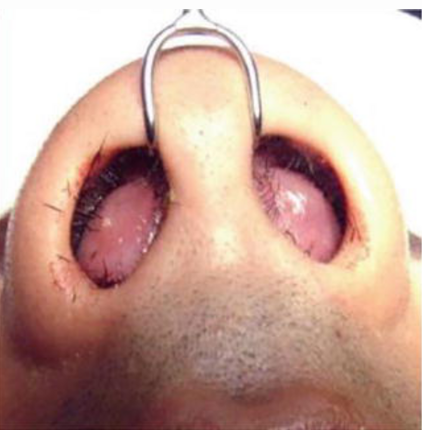
The immediate management for Septal hematoma is _____
#5
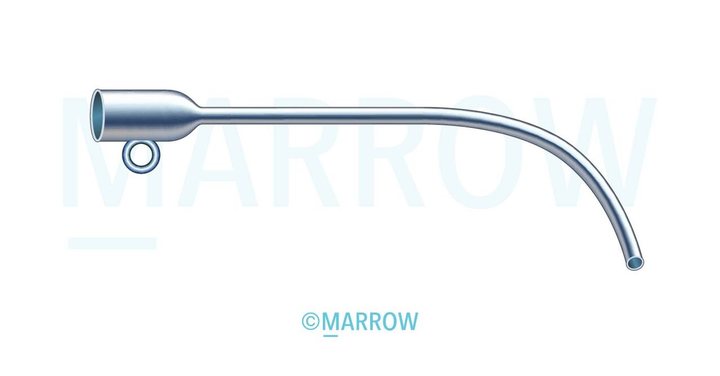
_____ is used in irrigation of maxillary sinus after intranasal antrostomy or Caldwell–Luc operation
Hint: Instrument
#6
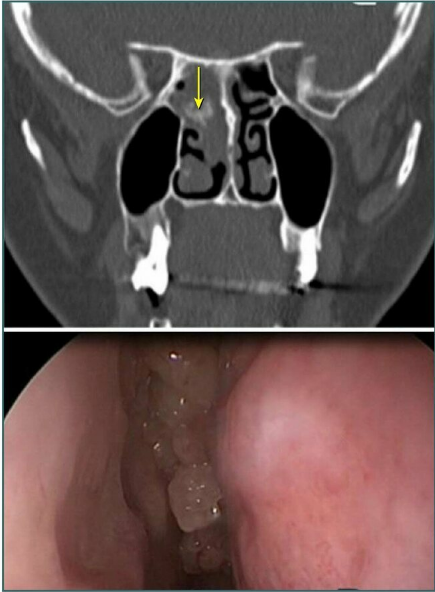
The treatment of choice for inverted papilloma is _____
#7
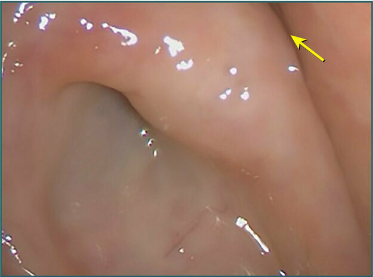
Fossa of Rosenmuller (yellow arrow) is visualized during the _____ pass of diagnostic nasal endoscopy.
#8
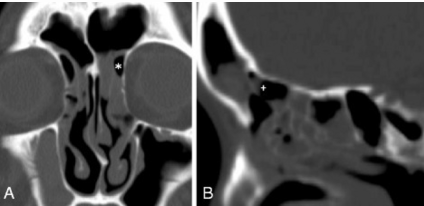
_____ may cause mechanical obstruction to frontal sinus drainage and lead to frontal sinusitis
#9
Most common cause of acute sinusitis is _____ rhinitis followed by bacterial invasion.
#10
_____ hypertrophy of the turbinates is seen in hypertrophic rhinitis.
Epistaxis Indian Medical PG Flashcards - Medical Study Cards
Master Epistaxis with OnCourse flashcards. These spaced repetition flashcards are designed for medical students preparing for NEET PG, USMLE Step 1, USMLE Step 2, MBBS exams, and other medical licensing examinations.
Epistaxis Flashcard Deck - 10 Cards
Flashcard 1: _____ is the first step to control epistaxis.
Answer: Trotter s method
Flashcard 2: _____lateral nasal obstruction and epistaxis are the presenting features of esthesioneuroblastoma
Answer: Uni
Flashcard 3: _____ may be present with DNS due to vessels over spur or due to crusting of nasal mucosa
Answer: Epistaxis
Flashcard 4: The immediate management for Septal hematoma is _____
Answer: incision and drainage
Flashcard 5: _____ is used in irrigation of maxillary sinus after intranasal antrostomy or Caldwell–Luc operation
Answer: Rose’s sinus douching cannula
Flashcard 6: The treatment of choice for inverted papilloma is _____
Answer: medial maxillectomy
Flashcard 7: Fossa of Rosenmuller (yellow arrow) is visualized during the _____ pass of diagnostic nasal endoscopy.
Answer: first
Flashcard 8: _____ may cause mechanical obstruction to frontal sinus drainage and lead to frontal sinusitis
Answer: Agger nasi
Flashcard 9: Most common cause of acute sinusitis is _____ rhinitis followed by bacterial invasion.
Answer: viral
Flashcard 10: _____ hypertrophy of the turbinates is seen in hypertrophic rhinitis.
Answer: Mulberry
Keywords: Epistaxis flashcards, medical flashcards, NEET PG preparation, USMLE Step 1 flashcards, Anki alternative, spaced repetition medical, OnCourse flashcards
Epistaxis Flashcards for NEET-PG
Study 10 flashcards on Epistaxis for NEET-PG ENT. These active recall cards cover the key concepts, clinical associations, and high-yield facts from this chapter of Diseases of the Nose and Paranasal Sinuses. Each card is designed to test your understanding rather than just recognition, building stronger and more durable memories for exam day.
For personalised spaced repetition scheduling and unlimited flashcards, download the Oncourse app.
Frequently Asked Questions
Are Epistaxis flashcards free?
Yes, all flashcards on this page are completely free. You can study all 10 cards at no cost. For spaced repetition scheduling, download the Oncourse app.
How many flashcards does this chapter have?
There are 10 flashcards for Epistaxis, covering the key concepts, clinical correlations, and high-yield facts from this chapter of Diseases of the Nose and Paranasal Sinuses.
How should I use these flashcards for NEET-PG?
Read through each prompt and try to answer before revealing the back of the card. This active recall approach builds stronger memories than passive reading. Combine flashcards with the study notes and MCQ practice for the best results.
Are there more flashcards for Diseases of the Nose and Paranasal Sinuses?
Yes. This page covers one chapter of Diseases of the Nose and Paranasal Sinuses. Visit the topic page to see all chapters and their flashcards under ENT.
Want unlimited flashcards?
Get full access to all flashcards, spaced repetition, and progress tracking.
