_____ hair are often seen at the margins of the bald patches during active phases of alopecia areata
#2
Loss of hair _____ months after an event of physiological stress points towards a diagnosis of telogen effluvium
#3
Causes for non-scarring alopecia: THATS STDT_____ (Non Inflammatory Type - grey patch and black dot types)Hormonal - Hypothyroidism, Androgenetic alopeciaAnagen effluvium, Alopecia areataTrichotillomaniaSecondary syphilis (moth eaten alopecia)SLE(predominantly causes non-scarring alopecia but also can cause scarring alopecia)Telogen effluviumDeficiency of Zinc, Iron
#4
Alopecia areata involving the entire scalp is referred to as _____
#5
The pathology of alopecia areata is most likely autoimmune and is _____-cell mediated
#6
Contact/topical immunotherapy with agents such as _____, diphenylcyclopropenone (DPCP), is used for extensive alopecia areata
#7
_____ is characterised by discrete, smooth, and circular areas of hair loss developing over weeks to months
#8
White hair are _____ in alopecia areata
#9
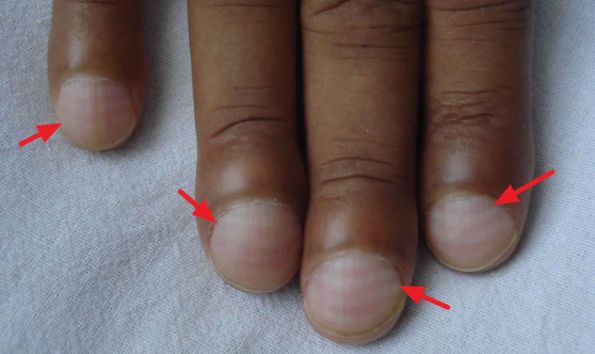
Muehrcke's lines on nails are specific for _____ and is due to pathology in the nail bed
#10
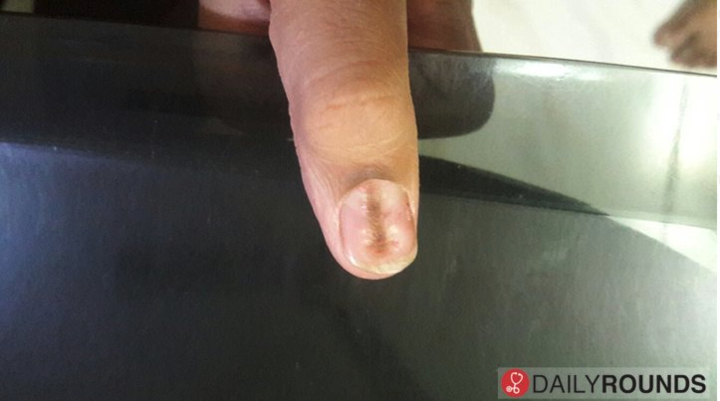
_____ sign is melanonychia with the pigmentation of proximal nail fold seen in subungual melanoma
Scarring Alopecias Indian Medical PG Flashcards - Medical Study Cards
Master Scarring Alopecias with OnCourse flashcards. These spaced repetition flashcards are designed for medical students preparing for NEET PG, USMLE Step 1, USMLE Step 2, MBBS exams, and other medical licensing examinations.
Scarring Alopecias Flashcard Deck - 10 Cards
Flashcard 1: _____ hair are often seen at the margins of the bald patches during active phases of alopecia areata
Answer: Exclamation mark
Flashcard 2: Loss of hair _____ months after an event of physiological stress points towards a diagnosis of telogen effluvium
Answer: 3
Flashcard 3: Causes for non-scarring alopecia: THATS STDT_____ (Non Inflammatory Type - grey patch and black dot types)Hormonal - Hypothyroidism, Androgenetic alopeciaAnagen effluvium, Alopecia areataTrichotillomaniaSecondary syphilis (moth eaten alopecia)SLE(predominantly causes non-scarring alopecia but also can cause scarring alopecia)Telogen effluviumDeficiency of Zinc, Iron
Answer: inea capitis
Flashcard 4: Alopecia areata involving the entire scalp is referred to as _____
Answer: alopecia totalis
Flashcard 5: The pathology of alopecia areata is most likely autoimmune and is _____-cell mediated
Answer: T
Flashcard 6: Contact/topical immunotherapy with agents such as _____, diphenylcyclopropenone (DPCP), is used for extensive alopecia areata
Answer: dinitrochlorobenzene (DNCB)
Flashcard 7: _____ is characterised by discrete, smooth, and circular areas of hair loss developing over weeks to months
Answer: Alopecia areata
Flashcard 8: White hair are _____ in alopecia areata
Answer: spared (affected/spared)
Flashcard 9: Muehrcke's lines on nails are specific for _____ and is due to pathology in the nail bed
Answer: hypoalbuminemia
Flashcard 10: _____ sign is melanonychia with the pigmentation of proximal nail fold seen in subungual melanoma
Answer: Hutchinson's
Keywords: Scarring Alopecias flashcards, medical flashcards, NEET PG preparation, USMLE Step 1 flashcards, Anki alternative, spaced repetition medical, OnCourse flashcards
Scarring Alopecias Flashcards for NEET-PG
Study 10 flashcards on Scarring Alopecias for NEET-PG Dermatology. These active recall cards cover the key concepts, clinical associations, and high-yield facts from this chapter of Hair and Nail Disorders. Each card is designed to test your understanding rather than just recognition, building stronger and more durable memories for exam day.
For personalised spaced repetition scheduling and unlimited flashcards, download the Oncourse app.
Frequently Asked Questions
Are Scarring Alopecias flashcards free?
Yes, all flashcards on this page are completely free. You can study all 10 cards at no cost. For spaced repetition scheduling, download the Oncourse app.
How many flashcards does this chapter have?
There are 10 flashcards for Scarring Alopecias, covering the key concepts, clinical correlations, and high-yield facts from this chapter of Hair and Nail Disorders.
How should I use these flashcards for NEET-PG?
Read through each prompt and try to answer before revealing the back of the card. This active recall approach builds stronger memories than passive reading. Combine flashcards with the study notes and MCQ practice for the best results.
Are there more flashcards for Hair and Nail Disorders?
Yes. This page covers one chapter of Hair and Nail Disorders. Visit the topic page to see all chapters and their flashcards under Dermatology.
Want unlimited flashcards?
Get full access to all flashcards, spaced repetition, and progress tracking.
