Which type of leprosy shows satellite lesions?_____
#2
_____ phenomenon is a severe complication of multi bacillary leprosy characterised by leukocytoclastic vasculitis and epidermal infarction
#3
_____ syphilis is characterized by a maculopapular copper/red rash on the palms and soles weeks to months after infection
#4
Asymmetric nerve involvement is seen typically in _____ leprosy
#5
Large lesions with dry scaly skin, no hair and absent sensations are seen typically in _____ leprosy
#6
_____ characterized by an infection of the deeper dermis and subcutaneous tissues is caused Staphylococcus aureus, Streptococcus pyogenes
Hint: what skin pathology
#7
Are primary lesions seen in Syphilis d'Emblee?_____
#8
Are reaction episodes seen commonly in histioid leprosy?_____
#9
Loss of _____ is seen in leprosy and myxedema.
#10
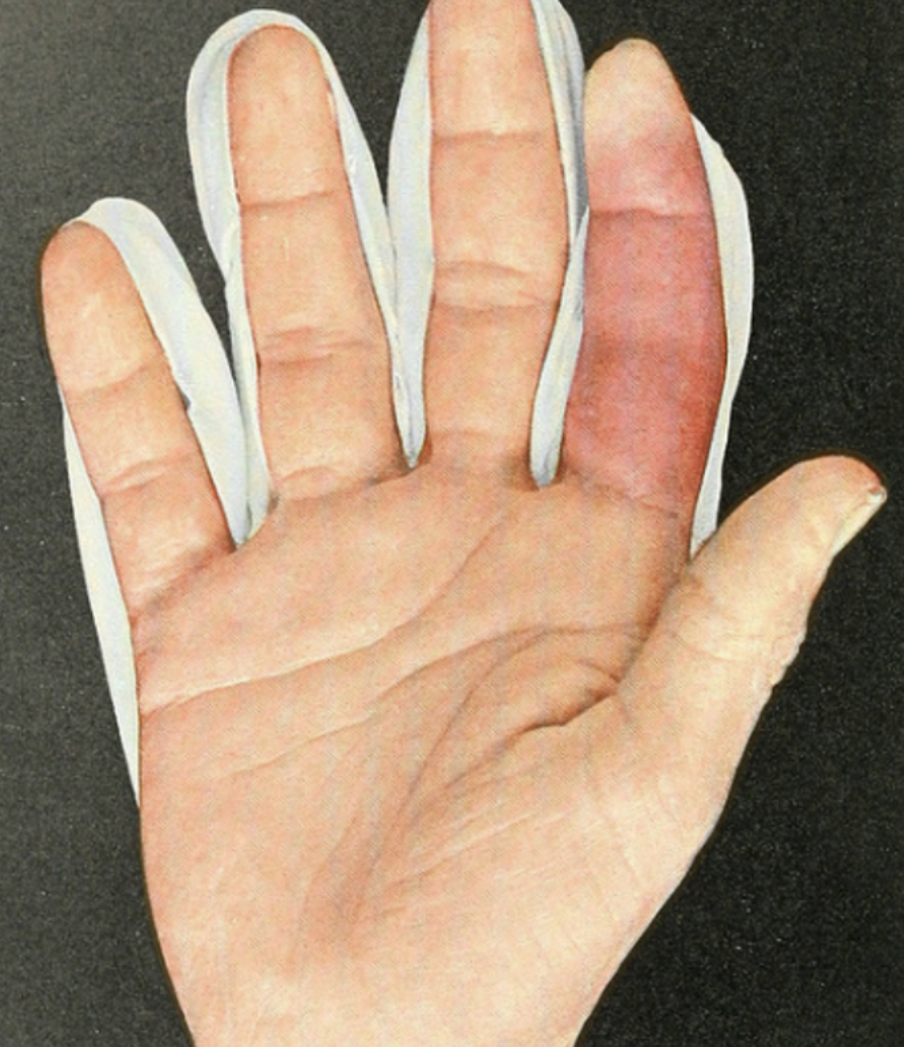
Seal finger or whale finger lesion with suspected Erysipelothrix rhusiopathiae infection is suggestive of _____.
Lyme Disease Indian Medical PG Flashcards - Medical Study Cards
Master Lyme Disease with OnCourse flashcards. These spaced repetition flashcards are designed for medical students preparing for NEET PG, USMLE Step 1, USMLE Step 2, MBBS exams, and other medical licensing examinations.
Lyme Disease Flashcard Deck - 10 Cards
Flashcard 1: Which type of leprosy shows satellite lesions?_____
Answer: Borderline Tuberculoid (BT)
Flashcard 2: _____ phenomenon is a severe complication of multi bacillary leprosy characterised by leukocytoclastic vasculitis and epidermal infarction
Answer: Lucio
Flashcard 3: _____ syphilis is characterized by a maculopapular copper/red rash on the palms and soles weeks to months after infection
Answer: Secondary
Flashcard 4: Asymmetric nerve involvement is seen typically in _____ leprosy
Answer: tuberculoid
Flashcard 5: Large lesions with dry scaly skin, no hair and absent sensations are seen typically in _____ leprosy
Answer: tuberculoid
Flashcard 6: _____ characterized by an infection of the deeper dermis and subcutaneous tissues is caused Staphylococcus aureus, Streptococcus pyogenes
Answer: Cellulitis
Flashcard 7: Are primary lesions seen in Syphilis d'Emblee?_____
Answer: No
Flashcard 8: Are reaction episodes seen commonly in histioid leprosy?_____
Answer: No
Flashcard 9: Loss of _____ is seen in leprosy and myxedema.
Answer: eyebrows (eyelashes/eyebrows)
Flashcard 10: Seal finger or whale finger lesion with suspected Erysipelothrix rhusiopathiae infection is suggestive of _____.
Answer: erysipeloid
Keywords: Lyme Disease flashcards, medical flashcards, NEET PG preparation, USMLE Step 1 flashcards, Anki alternative, spaced repetition medical, OnCourse flashcards
Lyme Disease Flashcards for NEET-PG
Study 10 flashcards on Lyme Disease for NEET-PG Dermatology. These active recall cards cover the key concepts, clinical associations, and high-yield facts from this chapter of Bacterial Skin Infections. Each card is designed to test your understanding rather than just recognition, building stronger and more durable memories for exam day.
For personalised spaced repetition scheduling and unlimited flashcards, download the Oncourse app.
Frequently Asked Questions
Are Lyme Disease flashcards free?
Yes, all flashcards on this page are completely free. You can study all 10 cards at no cost. For spaced repetition scheduling, download the Oncourse app.
How many flashcards does this chapter have?
There are 10 flashcards for Lyme Disease, covering the key concepts, clinical correlations, and high-yield facts from this chapter of Bacterial Skin Infections.
How should I use these flashcards for NEET-PG?
Read through each prompt and try to answer before revealing the back of the card. This active recall approach builds stronger memories than passive reading. Combine flashcards with the study notes and MCQ practice for the best results.
Are there more flashcards for Bacterial Skin Infections?
Yes. This page covers one chapter of Bacterial Skin Infections. Visit the topic page to see all chapters and their flashcards under Dermatology.
Want unlimited flashcards?
Get full access to all flashcards, spaced repetition, and progress tracking.
