A _____ case-control study is essentially a case-control study that is present inside a cohort study.
#2
Incidence and prevalence rates are included in _____ indicators
#3
A study to evaluate the effect of water fluoridation on dental health is categorized as a _____ study.
#4
_____ = # of existing cases / total # of people in a population at a point in time
#5
Duration of illness is _____ a part of the epidemiological triad
#6
In _____ transmission, the disease agent changes in form and in number
#7
Excluding skin cancer, which of the listed three demographics count the incidence of the following cancers as their top 3 most common in the United States?
_____
Hint: Men, Women, or Children (age 0-14)?
#8
Validity of a Screening Test: No answer _____
#9
demographic gap starts increasing in stage _____
#10
types of screening are
Descriptive Epidemiology Indian Medical PG Flashcards - Medical Study Cards
Master Descriptive Epidemiology with OnCourse flashcards. These spaced repetition flashcards are designed for medical students preparing for NEET PG, USMLE Step 1, USMLE Step 2, MBBS exams, and other medical licensing examinations.
Flashcard 1: A _____ case-control study is essentially a case-control study that is present inside a cohort study.
Answer: nested
Flashcard 2: Incidence and prevalence rates are included in _____ indicators
Answer: morbidity (mortality/morbidity)
Flashcard 3: A study to evaluate the effect of water fluoridation on dental health is categorized as a _____ study.
Answer: community intervention
Flashcard 4: _____ = # of existing cases / total # of people in a population at a point in time
Answer: Prevalence
Flashcard 5: Duration of illness is _____ a part of the epidemiological triad
Answer: not
Flashcard 6: In _____ transmission, the disease agent changes in form and in number
Answer: Cyclo-propagative
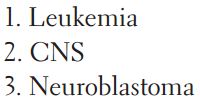
Flashcard 7: Excluding skin cancer, which of the listed three demographics count the incidence of the following cancers as their top 3 most common in the United States?
_____
Answer: Children
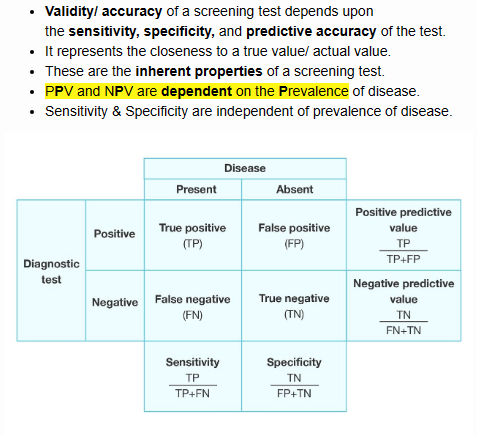
Flashcard 8: Validity of a Screening Test: No answer _____
Answer: :)
Flashcard 9: demographic gap starts increasing in stage _____
Answer: 2
Extra:
Flashcard 10: types of screening are
Answer: mass screening
high risk screening
multiphasic screening
Extra:
Keywords: Descriptive Epidemiology flashcards, medical flashcards, NEET PG preparation, USMLE Step 1 flashcards, Anki alternative, spaced repetition medical, OnCourse flashcards
Descriptive Epidemiology Flashcards for NEET-PG
Study 10 flashcards on Descriptive Epidemiology for NEET-PG Community Medicine. These active recall cards cover the key concepts, clinical associations, and high-yield facts from this chapter of Epidemiology. Each card is designed to test your understanding rather than just recognition, building stronger and more durable memories for exam day.
For personalised spaced repetition scheduling and unlimited flashcards, download the Oncourse app.
Frequently Asked Questions
Are Descriptive Epidemiology flashcards free?
Yes, all flashcards on this page are completely free. You can study all 10 cards at no cost. For spaced repetition scheduling, download the Oncourse app.
How many flashcards does this chapter have?
There are 10 flashcards for Descriptive Epidemiology, covering the key concepts, clinical correlations, and high-yield facts from this chapter of Epidemiology.
How should I use these flashcards for NEET-PG?
Read through each prompt and try to answer before revealing the back of the card. This active recall approach builds stronger memories than passive reading. Combine flashcards with the study notes and MCQ practice for the best results.
Are there more flashcards for Epidemiology?
Yes. This page covers one chapter of Epidemiology. Visit the topic page to see all chapters and their flashcards under Community Medicine.
Want unlimited flashcards?
Get full access to all flashcards, spaced repetition, and progress tracking.
