The _____joint is predominantly involved in plantar flexion and dorsiflexion of the foot.
#3
Gluteus _____ muscle is attached to the lateral surface of the greater trochanter.
#4
The _____ nerve (L2-L4 (nerve roots)) provides:- sensory innervation to the anterior thigh and medial leg- motor innervation to the quadriceps, iliopsoas, pectineus, and sartorius
#5
The _____ and adductor magnus belongs to the medial compartment of the thigh.
Hint: muscle
#6
Medial rotation of the flexed knee is produced by: _____
#7
Which nerve gives articular branches to Ankle joint, Tarsal joints, Tarsometatarsal joints and 1st metatarsophalangeal joint?_____
#8
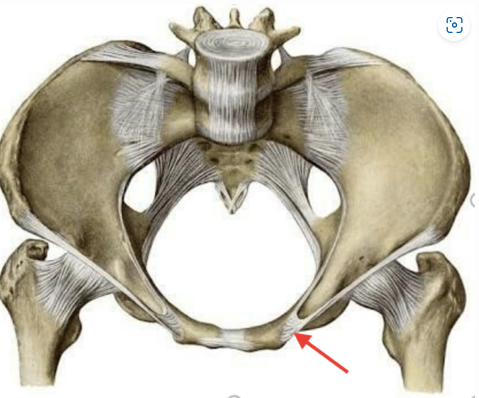
The structure marked is the _____ ligament.
#9
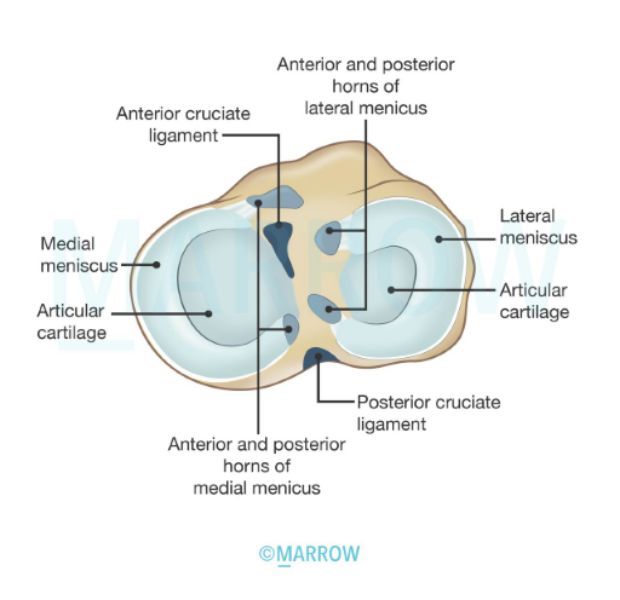
Ligaments aroud the knee: No answer _____
#10
The following are the structures passing deep to the superior and inferior extensor retinacula: (4 tendons 1 nerve)
_____
Gait Analysis and Biomechanics Indian Medical PG Flashcards - Medical Study Cards
Master Gait Analysis and Biomechanics with OnCourse flashcards. These spaced repetition flashcards are designed for medical students preparing for NEET PG, USMLE Step 1, USMLE Step 2, MBBS exams, and other medical licensing examinations.
Gait Analysis and Biomechanics Flashcard Deck - 10 Cards
Flashcard 1: Inversion of the foot is carried out by?_____
Answer: Tibialis anterior and posterior
Flashcard 2: The _____joint is predominantly involved in plantar flexion and dorsiflexion of the foot.
Answer: tibiotalar
Flashcard 3: Gluteus _____ muscle is attached to the lateral surface of the greater trochanter.
Answer: medius
Flashcard 4: The _____ nerve (L2-L4 (nerve roots)) provides:- sensory innervation to the anterior thigh and medial leg- motor innervation to the quadriceps, iliopsoas, pectineus, and sartorius
Answer: femoral
Flashcard 5: The _____ and adductor magnus belongs to the medial compartment of the thigh.
Answer: gracilis
Flashcard 6: Medial rotation of the flexed knee is produced by: _____
Answer: popliteus, semimembranosus, and semitendinosus (3)
Flashcard 7: Which nerve gives articular branches to Ankle joint, Tarsal joints, Tarsometatarsal joints and 1st metatarsophalangeal joint?_____
Answer: Deep peroneal nerve
Flashcard 8: The structure marked is the _____ ligament.
Answer: lacunar
Flashcard 9: Ligaments aroud the knee: No answer _____
Answer: :)
Flashcard 10: The following are the structures passing deep to the superior and inferior extensor retinacula: (4 tendons 1 nerve)
_____
Answer:
Keywords: Gait Analysis and Biomechanics flashcards, medical flashcards, NEET PG preparation, USMLE Step 1 flashcards, Anki alternative, spaced repetition medical, OnCourse flashcards
Gait Analysis and Biomechanics Flashcards for NEET-PG
Study 10 flashcards on Gait Analysis and Biomechanics for NEET-PG Anatomy. These active recall cards cover the key concepts, clinical associations, and high-yield facts from this chapter of Lower Limb. Each card is designed to test your understanding rather than just recognition, building stronger and more durable memories for exam day.
For personalised spaced repetition scheduling and unlimited flashcards, download the Oncourse app.
Frequently Asked Questions
Are Gait Analysis and Biomechanics flashcards free?
Yes, all flashcards on this page are completely free. You can study all 10 cards at no cost. For spaced repetition scheduling, download the Oncourse app.
How many flashcards does this chapter have?
There are 10 flashcards for Gait Analysis and Biomechanics, covering the key concepts, clinical correlations, and high-yield facts from this chapter of Lower Limb.
How should I use these flashcards for NEET-PG?
Read through each prompt and try to answer before revealing the back of the card. This active recall approach builds stronger memories than passive reading. Combine flashcards with the study notes and MCQ practice for the best results.
Are there more flashcards for Lower Limb?
Yes. This page covers one chapter of Lower Limb. Visit the topic page to see all chapters and their flashcards under Anatomy.
Want unlimited flashcards?
Get full access to all flashcards, spaced repetition, and progress tracking.
