Lupus of the larynx involves the _____ part of the larynx.
#2
_____ pouch is seen in the gallbladder, serves as a potential space for gallstones to get lodged.
#3
Thoracic outlet syndrome (TOS) is a neurovascular syndrome caused due to the compression of the _____ trunk of brachial plexus (C8 and T1) and _____ vessels
#4
Larynx can be moved passively from side to side over the vertebrae giving a grating sensation called _____
#5
Compression of the axilla (resulting in radial nerve injury) can occur due to improper use of _____ or sleeping with an arm over a chair (aka Saturday night palsy).
#6
Injury to the _____ nerve (C5-C7 (nerve roots)) is commonly due to upper trunk compression.
#7
Foramen of _____ acts as a pathway for the spread of infections and tumors of the canal to the deep lobe of parotid.
#8
_____ represents the classical location of femoral hernia
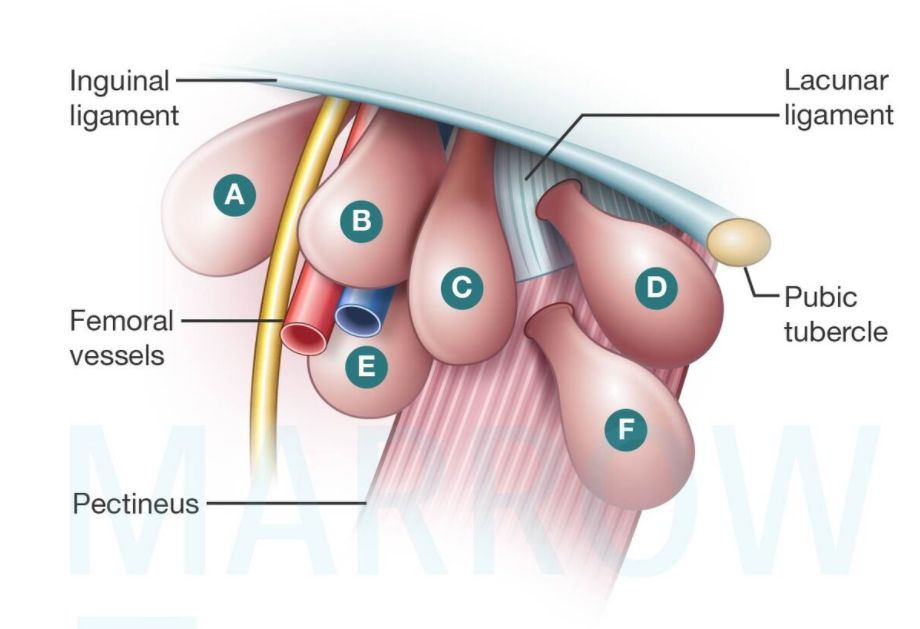
#9
_____ femoral hernia is lateral to the femoral artery
Hint: A
#10
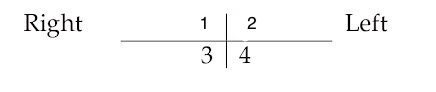
_____ system of tooth charting:
Number is assigned to each quadrant and that number is placed before tooth's number.
Imaging Correlations in Clinical Anatomy Indian Medical PG Flashcards - Medical Study Cards
Master Imaging Correlations in Clinical Anatomy with OnCourse flashcards. These spaced repetition flashcards are designed for medical students preparing for NEET PG, USMLE Step 1, USMLE Step 2, MBBS exams, and other medical licensing examinations.
Imaging Correlations in Clinical Anatomy Flashcard Deck - 10 Cards
Flashcard 1: Lupus of the larynx involves the _____ part of the larynx.
Answer: anterior
Flashcard 2: _____ pouch is seen in the gallbladder, serves as a potential space for gallstones to get lodged.
Answer: Hartmanns
Flashcard 3: Thoracic outlet syndrome (TOS) is a neurovascular syndrome caused due to the compression of the _____ trunk of brachial plexus (C8 and T1) and _____ vessels
Answer: lower; subclavian
Flashcard 4: Larynx can be moved passively from side to side over the vertebrae giving a grating sensation called _____
Answer: laryngeal crepitus
Flashcard 5: Compression of the axilla (resulting in radial nerve injury) can occur due to improper use of _____ or sleeping with an arm over a chair (aka Saturday night palsy).
Answer: crutches
Flashcard 6: Injury to the _____ nerve (C5-C7 (nerve roots)) is commonly due to upper trunk compression.
Answer: musculocutaneous
Flashcard 7: Foramen of _____ acts as a pathway for the spread of infections and tumors of the canal to the deep lobe of parotid.
Answer: Huschke
Flashcard 8: _____ represents the classical location of femoral hernia
Answer: C
Flashcard 9: _____ femoral hernia is lateral to the femoral artery
Answer: Hasselbach's
Flashcard 10: _____ system of tooth charting:
Number is assigned to each quadrant and that number is placed before tooth's number.
Answer: Modified FDI
Keywords: Imaging Correlations in Clinical Anatomy flashcards, medical flashcards, NEET PG preparation, USMLE Step 1 flashcards, Anki alternative, spaced repetition medical, OnCourse flashcards
Imaging Correlations in Clinical Anatomy Flashcards for NEET-PG
Study 10 flashcards on Imaging Correlations in Clinical Anatomy for NEET-PG Anatomy. These active recall cards cover the key concepts, clinical associations, and high-yield facts from this chapter of Clinical Anatomy. Each card is designed to test your understanding rather than just recognition, building stronger and more durable memories for exam day.
For personalised spaced repetition scheduling and unlimited flashcards, download the Oncourse app.
Frequently Asked Questions
Are Imaging Correlations in Clinical Anatomy flashcards free?
Yes, all flashcards on this page are completely free. You can study all 10 cards at no cost. For spaced repetition scheduling, download the Oncourse app.
How many flashcards does this chapter have?
There are 10 flashcards for Imaging Correlations in Clinical Anatomy, covering the key concepts, clinical correlations, and high-yield facts from this chapter of Clinical Anatomy.
How should I use these flashcards for NEET-PG?
Read through each prompt and try to answer before revealing the back of the card. This active recall approach builds stronger memories than passive reading. Combine flashcards with the study notes and MCQ practice for the best results.
Are there more flashcards for Clinical Anatomy?
Yes. This page covers one chapter of Clinical Anatomy. Visit the topic page to see all chapters and their flashcards under Anatomy.
Want unlimited flashcards?
Get full access to all flashcards, spaced repetition, and progress tracking.
