
Anatomical Variations of Clinical Importance — Flashcards

The _____ is the landmark for the pudendal nerve block.
The _____ quadrant of abdomen is preferred for paracentesis
The left renal vein can become compressed between the _____ and SMA as it crosses the midline
_____ syndrome is characterized by the compression of the sciatic nerve by the piriformis muscle
The _____ artery is palpated in infants to check for pulselessness before initiating CPR
The _____ on the posterior abdominal wall is the usual site chosen for transplantation of the kidney.
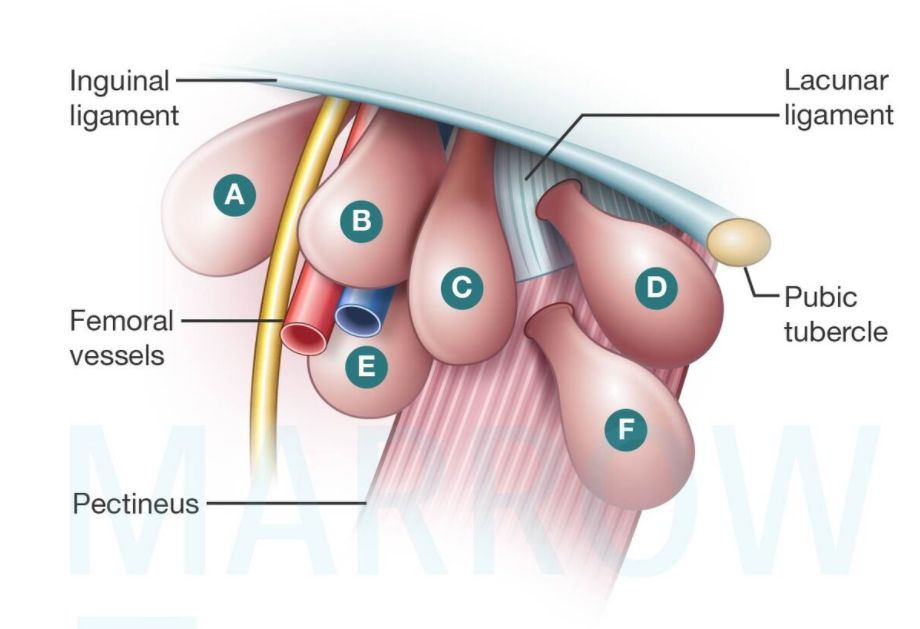
_____ femoral hernia is lateral to the femoral artery
_____ result from portosystemic shunting between the short gastric veins (portal) and inferior phrenic (systemic) vein
What is responsible for causing difficulty in passage of catheter through the cystic duct, during cholangiography?_____
_____ represents the classical location of femoral hernia
Anatomical Variations of Clinical Importance Flashcards for NEET-PG
Study 10 flashcards on Anatomical Variations of Clinical Importance for NEET-PG Anatomy. These active recall cards cover the key concepts, clinical associations, and high-yield facts from this chapter of Clinical Anatomy. Each card is designed to test your understanding rather than just recognition, building stronger and more durable memories for exam day.
For personalised spaced repetition scheduling and unlimited flashcards, download the Oncourse app.
Frequently Asked Questions
Are Anatomical Variations of Clinical Importance flashcards free?
How many flashcards does this chapter have?
How should I use these flashcards for NEET-PG?
Are there more flashcards for Clinical Anatomy?
Want unlimited flashcards?
Get full access to all flashcards, spaced repetition, and progress tracking.
Start For Free