
Anatomical Basis of Common Clinical Conditions — Flashcards

The earliest muscle to be involved in Volkmann's ischemic contracture is the _____
Inflammation of the _____ pleura, gallbladder, fibrous pericardium, and mediastinal pleura refer pain to the right shoulder via the phrenic nerve (C3-C5)
_____ cell (sphenoethmoidal cell) is surgically important as internal carotid artery may be related to its lateral wall
Which branch of the middle meningeal artery is most commonly involved in EDH?_____
McBurney's point lies at junction of _____ and _____ thirds of spino-umbilical line.
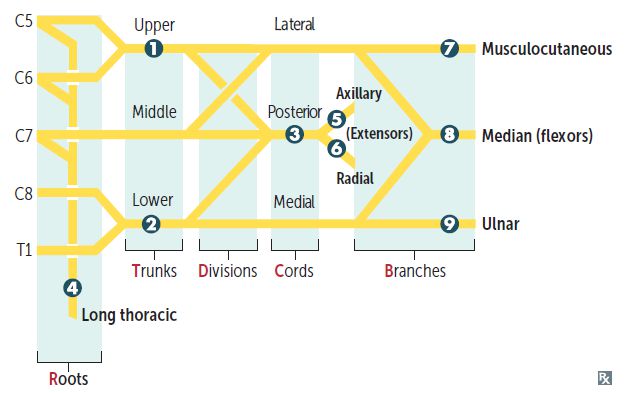
A lesion to #_____ would result in Erb palsy ("waiter's tip.")
Murphy's point corresponds to the _____ rib tip intersection with _____ border of rectus.
A lesion to #1 (upper trunk injury) would result in _____
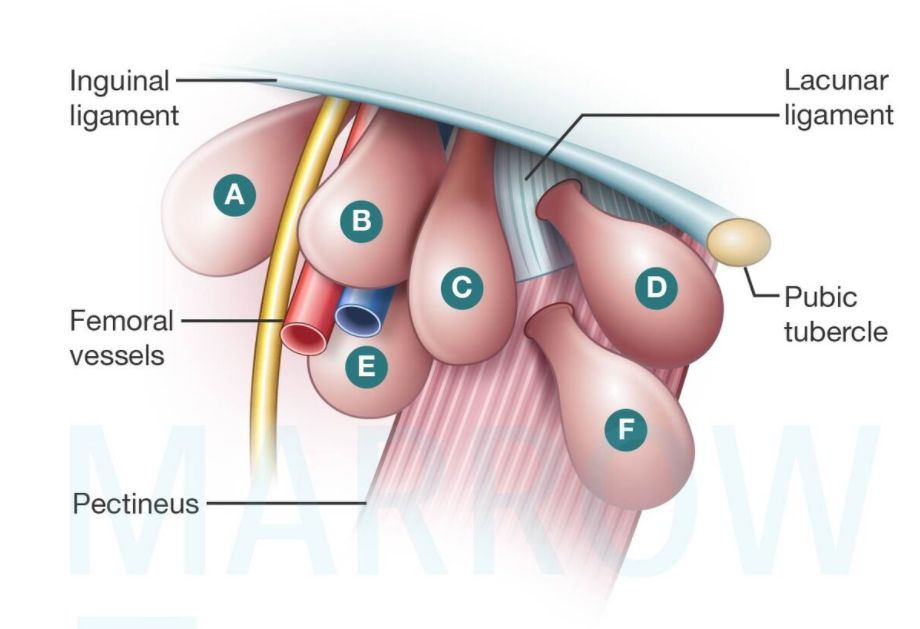
_____ represents the classical location of femoral hernia
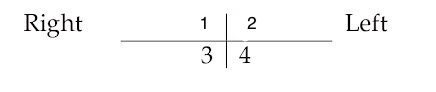
_____ system of tooth charting: Number is assigned to each quadrant and that number is placed before tooth's number.
Anatomical Basis of Common Clinical Conditions Flashcards for NEET-PG
Study 10 flashcards on Anatomical Basis of Common Clinical Conditions for NEET-PG Anatomy. These active recall cards cover the key concepts, clinical associations, and high-yield facts from this chapter of Clinical Anatomy. Each card is designed to test your understanding rather than just recognition, building stronger and more durable memories for exam day.
For personalised spaced repetition scheduling and unlimited flashcards, download the Oncourse app.
Frequently Asked Questions
Are Anatomical Basis of Common Clinical Conditions flashcards free?
How many flashcards does this chapter have?
How should I use these flashcards for NEET-PG?
Are there more flashcards for Clinical Anatomy?
Want unlimited flashcards?
Get full access to all flashcards, spaced repetition, and progress tracking.
Start For Free