_____ results from portosystemic shunting between the paraumbical veins (portal) and small epigastric veins of the abdominal wall (systemic)
#3
The pylorus of the stomach consists of mainly _____-secreting glands.
#4
_____duodenal recess has the inferior mesenteric vein in its right free margin.
#5
The _____ is the first organ to be visualized to differentiate between the small and large bowel in cases of intestinal obstruction.
#6
The _____ on the posterior abdominal wall is the usual site chosen for transplantation of the kidney.
#7
Posterior relations of the ureter in the abdominal cavity:1. _____2. Psoas major3. Genitofemoral nerve
Hint: Artery
#8
The lesser omentum is formed by the _____ and hepatoduodenal ligaments
#9
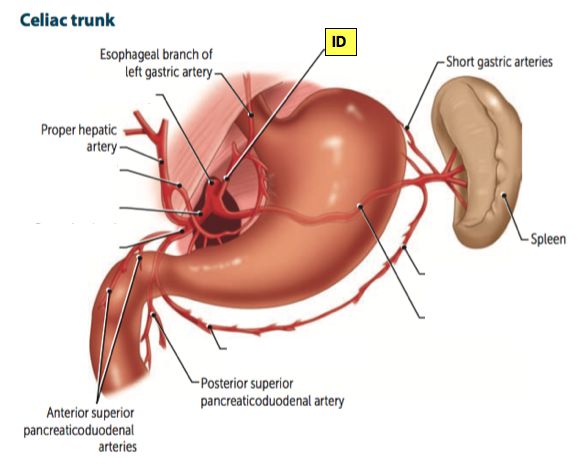
ID Artery: _____
#10
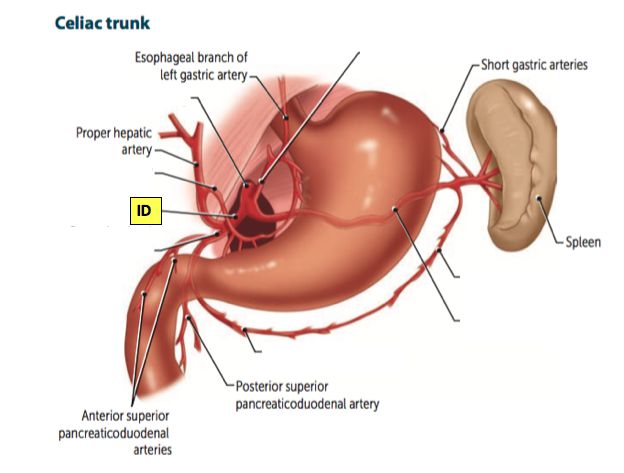
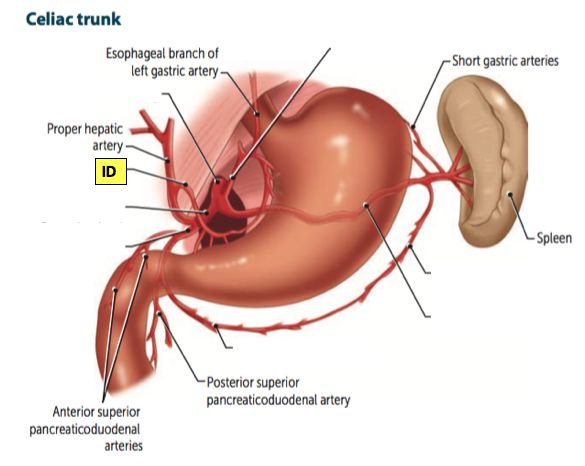
ID Artery: _____
Applied Anatomy and Clinical Correlations Indian Medical PG Flashcards - Medical Study Cards
Master Applied Anatomy and Clinical Correlations with OnCourse flashcards. These spaced repetition flashcards are designed for medical students preparing for NEET PG, USMLE Step 1, USMLE Step 2, MBBS exams, and other medical licensing examinations.
Applied Anatomy and Clinical Correlations Flashcard Deck - 10 Cards
Flashcard 1: ID Artery: _____
Answer: Left gastric
Flashcard 2: _____ results from portosystemic shunting between the paraumbical veins (portal) and small epigastric veins of the abdominal wall (systemic)
Answer: Caput medusae
Flashcard 3: The pylorus of the stomach consists of mainly _____-secreting glands.
Answer: mucus
Flashcard 4: _____duodenal recess has the inferior mesenteric vein in its right free margin.
Answer: Para
Flashcard 5: The _____ is the first organ to be visualized to differentiate between the small and large bowel in cases of intestinal obstruction.
Answer: cecum
Flashcard 6: The _____ on the posterior abdominal wall is the usual site chosen for transplantation of the kidney.
Answer: iliac fossa
Flashcard 7: Posterior relations of the ureter in the abdominal cavity:1. _____2. Psoas major3. Genitofemoral nerve
Answer: End of the common iliac artery or beginning of the external iliac artery
Flashcard 8: The lesser omentum is formed by the _____ and hepatoduodenal ligaments
Answer: gastrohepatic
Flashcard 9: ID Artery: _____
Answer: Common hepatic
Flashcard 10: ID Artery: _____
Answer: Right gastric
Keywords: Applied Anatomy and Clinical Correlations flashcards, medical flashcards, NEET PG preparation, USMLE Step 1 flashcards, Anki alternative, spaced repetition medical, OnCourse flashcards
Applied Anatomy and Clinical Correlations Flashcards for NEET-PG
Study 10 flashcards on Applied Anatomy and Clinical Correlations for NEET-PG Anatomy. These active recall cards cover the key concepts, clinical associations, and high-yield facts from this chapter of Abdomen. Each card is designed to test your understanding rather than just recognition, building stronger and more durable memories for exam day.
For personalised spaced repetition scheduling and unlimited flashcards, download the Oncourse app.
Frequently Asked Questions
Are Applied Anatomy and Clinical Correlations flashcards free?
Yes, all flashcards on this page are completely free. You can study all 10 cards at no cost. For spaced repetition scheduling, download the Oncourse app.
How many flashcards does this chapter have?
There are 10 flashcards for Applied Anatomy and Clinical Correlations, covering the key concepts, clinical correlations, and high-yield facts from this chapter of Abdomen.
How should I use these flashcards for NEET-PG?
Read through each prompt and try to answer before revealing the back of the card. This active recall approach builds stronger memories than passive reading. Combine flashcards with the study notes and MCQ practice for the best results.
Are there more flashcards for Abdomen?
Yes. This page covers one chapter of Abdomen. Visit the topic page to see all chapters and their flashcards under Anatomy.
Want unlimited flashcards?
Get full access to all flashcards, spaced repetition, and progress tracking.